
Searching for forklift tynes for sale usually starts with a simple question: what actually fits my truck and my load? Tynes — also spelled tines — are the load-bearing forks that turn a forklift into a handling tool, and the wrong set costs you more than money. It costs uptime, load security and, in hazardous or hygienic environments, compliance. This guide walks through the specification decisions that matter when you buy fork tynes for sale: mounting class, rated capacity at load centre, attachment type, and when a standard fork is the wrong answer entirely.
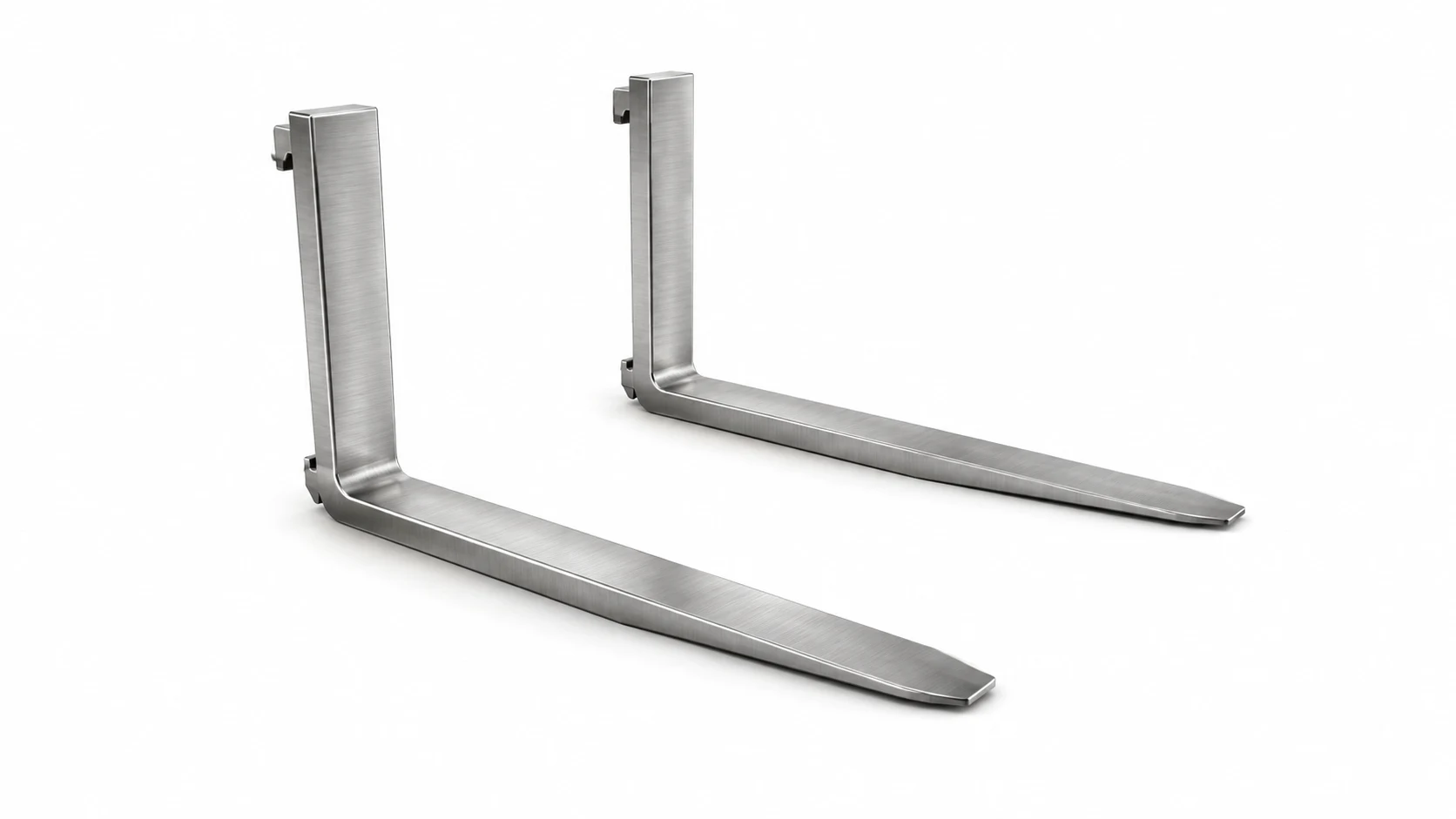
Forklift tynes for sale: start with the carriage, not the price
The first specification to pin down is the carriage mount. Fork tynes are classified by the carriage they attach to — typically ITA Class II, III or IV, or pin-type and square-type mounts on older or specialist trucks. A fork that does not seat correctly on the carriage is not a bargain; it is a load hazard. Measure the carriage width and the fork bar dimensions before you compare any listings.
Class also sets the practical capacity ceiling. A Class II fork and a Class IV fork are not interchangeable, and a seller who quotes only a tonnage without a class is giving you half the information. When you request a quote, supply the truck make and model, the carriage class, the fork length you need and the load centre at which you operate.
What to send with an enquiry
- Forklift make, model and rated capacity
- Carriage class (ITA II, III, IV, pin type or square type)
- Required fork length and section dimensions
- Actual load weight and load centre in millimetres
- Operating environment — food, chemical, cold store, hazardous zone
Matching fork type to the job
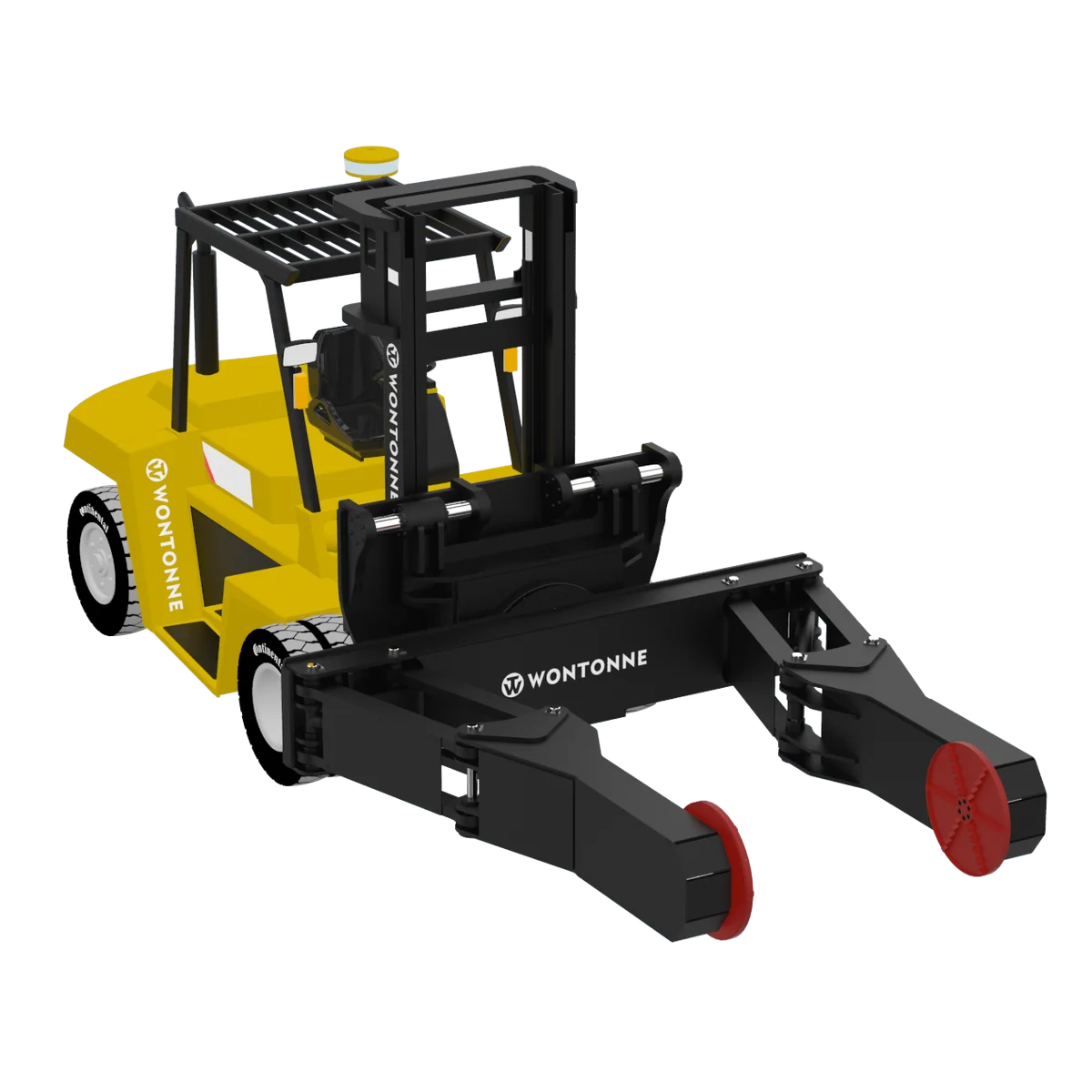
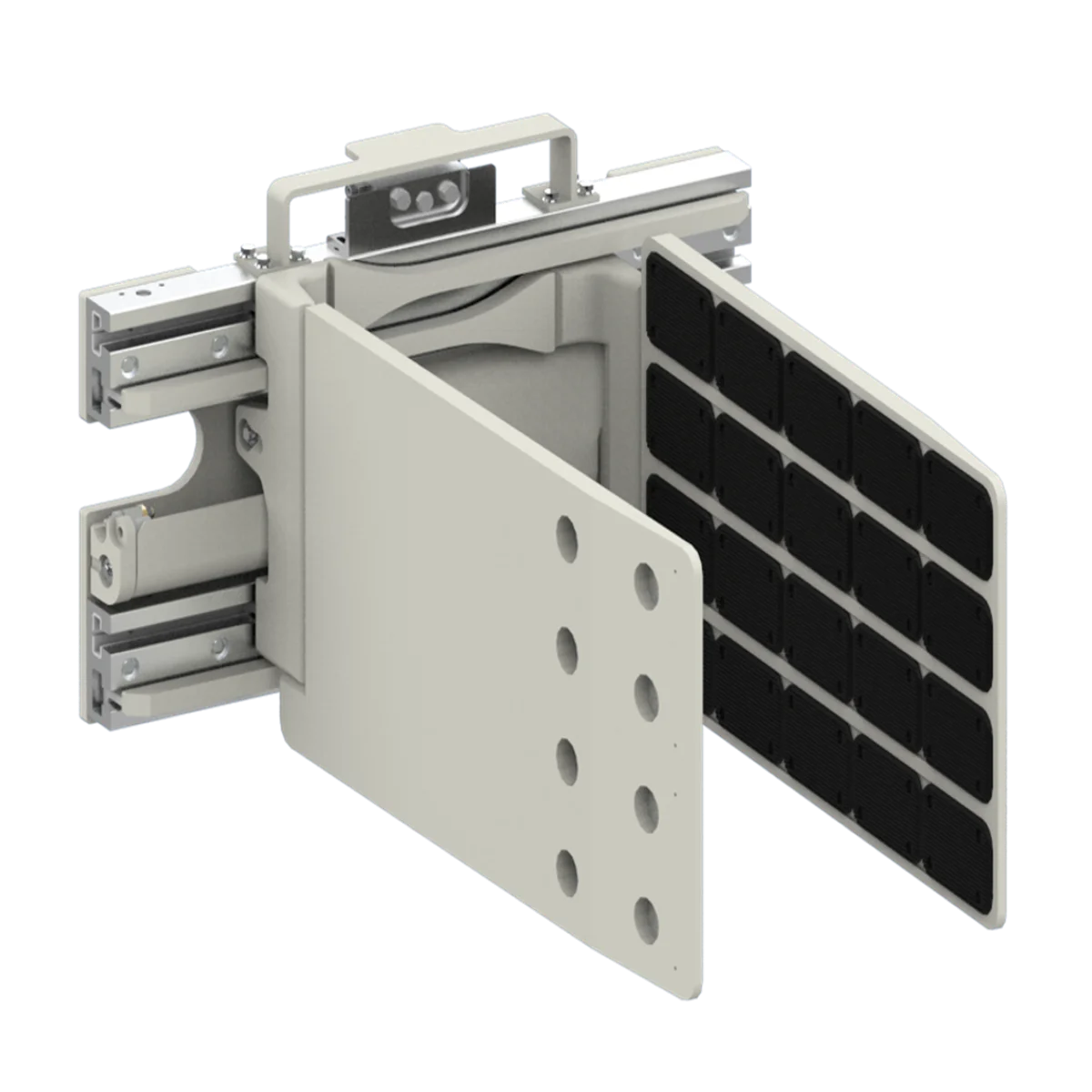
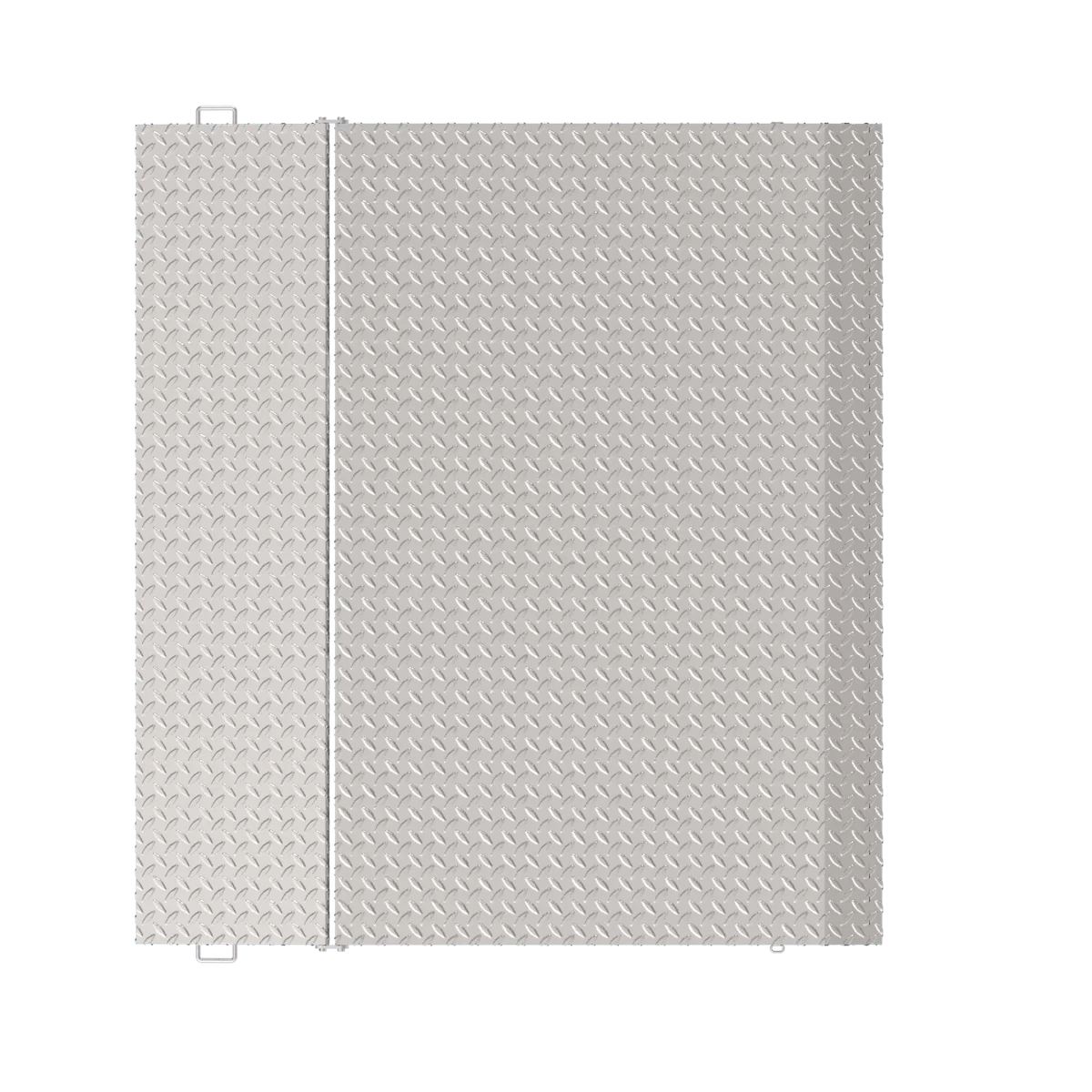
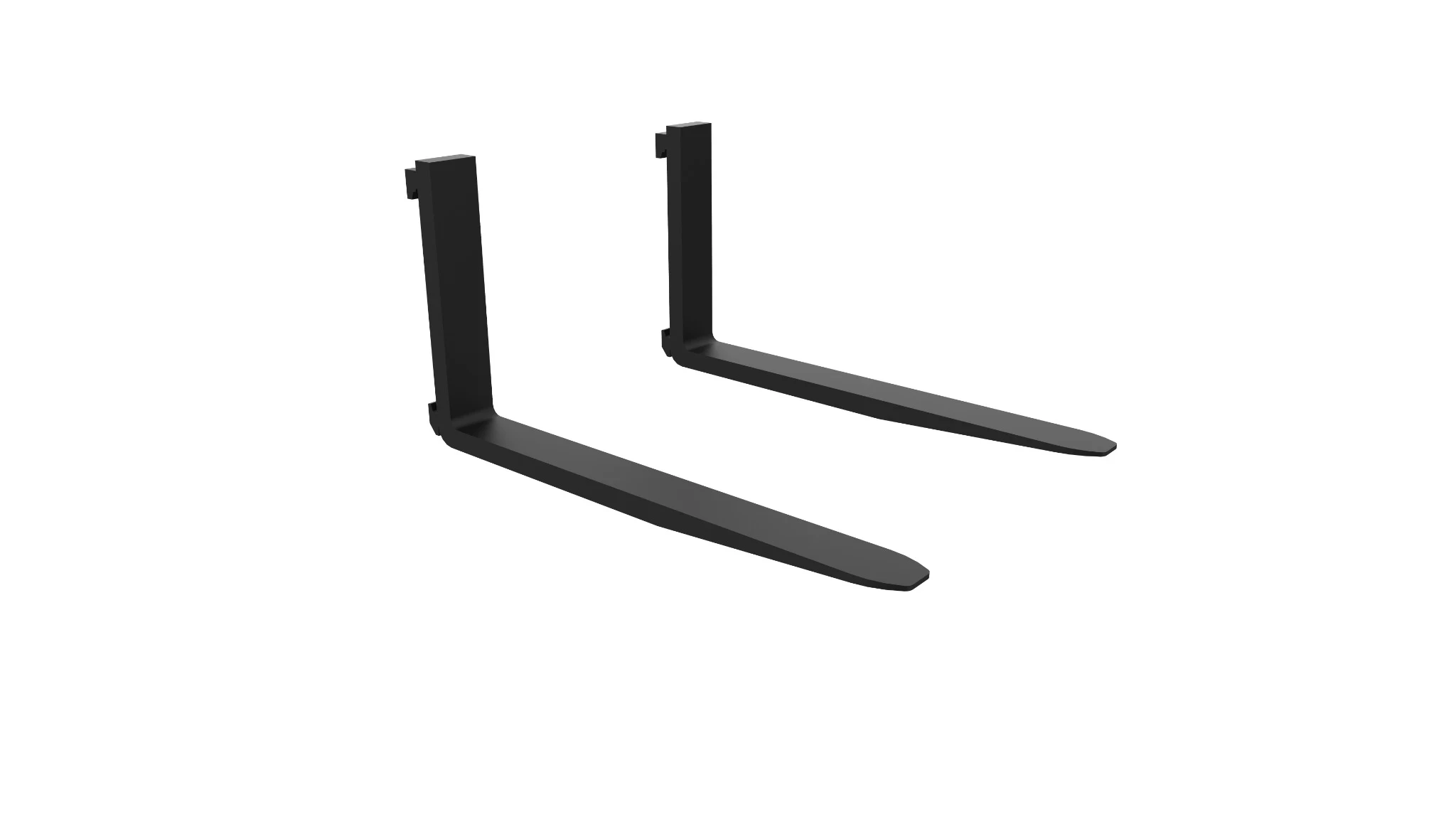
Standard carriage-mounted forks cover most pallet handling, but a large share of enquiries for fork tynes for sale are actually for something more specific. The table below maps common handling problems to the attachment family that solves them.
| Handling need | Attachment type | Key specification |
|---|---|---|
| Long or oversized loads beyond fork length | Forklift Extension | Slips onto existing forks; closed-bottom design; rated to 8500 kg; galvanized or painted finish |
| General 5–7 t handling with clamp, push and pull functions | Forklift Forks (ISO 4A Mount) | ISO 4A mounting; for 5000–7000 kg capacity trucks; multiple fork lengths |
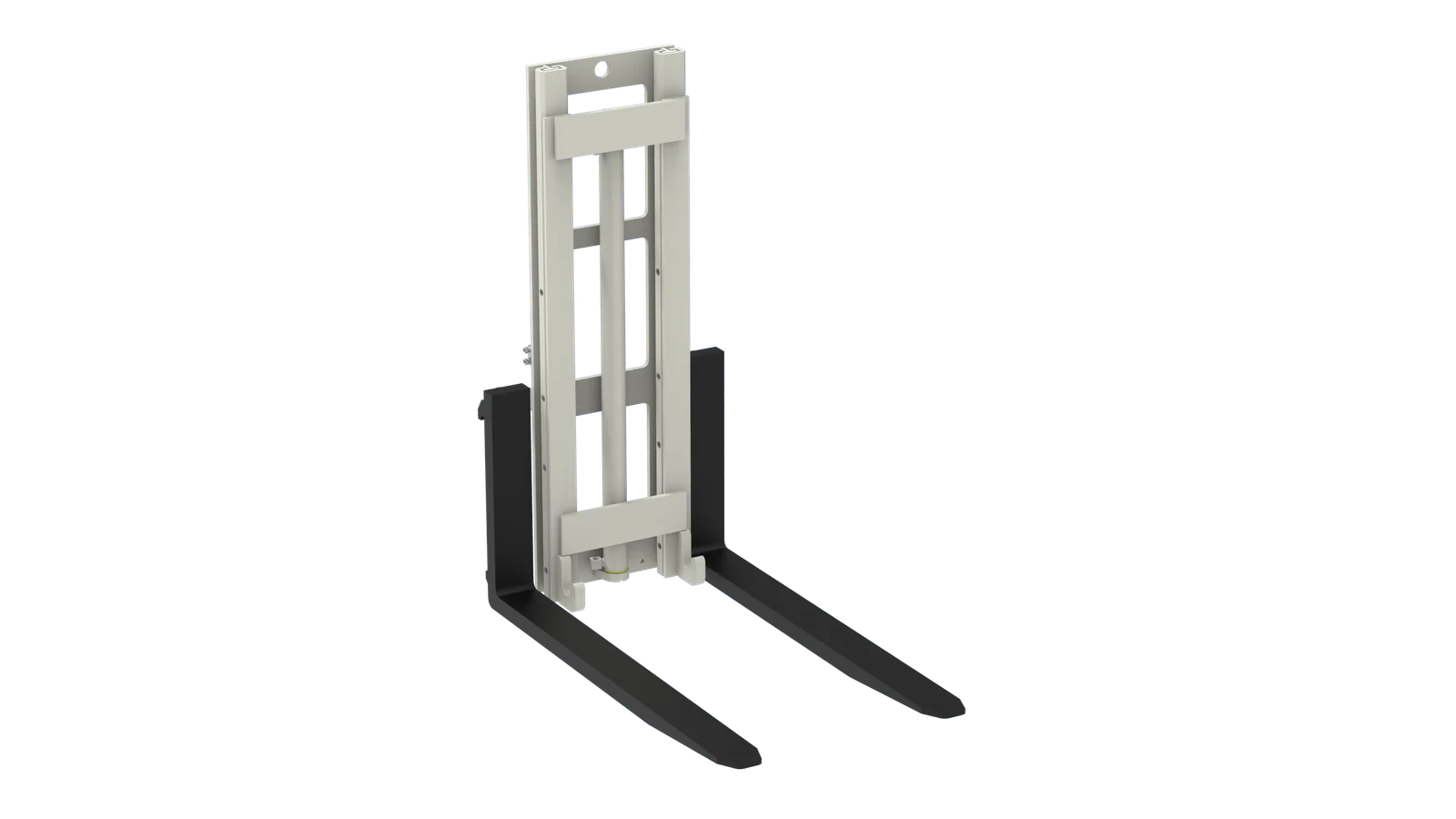
| Raising loads to a working height for maintenance or assembly | Lifting Forks | 2500 kg capacity; ISO 3A mounting; 1250 mm lifting stroke |
| Flammable or explosive atmospheres | Spark-Retardant Brass-Clad Forks | Brass cladding suppresses spark generation; steel core retains load capacity |
| Food, beverage, pharmaceutical and clean environments | Stainless Steel Clad Forks | Corrosion-resistant cladding; smooth, non-porous, easy to sanitize |
| Harsh chemical, marine or heavy-duty corrosion | Solid Stainless Steel Forks | Full stainless construction; maximum corrosion resistance |
| Electronics warehousing and spark-protection zones | Copper-Plated Forks | Copper-clad surface on a high-strength steel core; non-sparking |
Capacity ratings: read the load centre
A fork's rated capacity is meaningless without the load centre it is rated at. Capacity falls as the load centre moves outward, so a fork rated for a given tonnage at 600 mm carries considerably less when the load sits further from the carriage. If your loads are long, deep or off-centre, plan for the derating rather than discovering it at full height.
Fork extensions compound this effect. They add reach, which is exactly what long loads need, but they also move the effective load centre outward. WONTONNE fork extensions are rated to 8500 kg, and the correct working limit for your application depends on the extension length and the load centre you actually operate at. Our engineering team will confirm the rating for your truck when you send the load details.
Rule of thumb for buyers: never accept a capacity figure that is not accompanied by a load centre and a mounting class. Both are part of the specification, not optional footnotes.
New, used or custom: how to decide
The market for fork tynes for sale includes new stock, pre-owned sets and custom builds. Each has a place, but the decision should follow the application, not the price list.
- New standard forks — the default for general warehousing where the truck and load profile are known and repeatable.
- Used forks — viable for non-critical handling, provided the heel wear, straightness and stamping can be verified. Wear at the heel reduces section thickness and therefore capacity.
- Custom and special forks — the right choice when the environment dictates it: hazardous zones, hygienic production, extreme corrosion, or a geometry no catalogue covers. WONTONNE's Special Fork Solutions are engineered to your drawing or application, with standard and OEM supply available.
Why the operating environment changes the fork
In a paint plant, solvent store or petrochemical site, a standard steel fork striking a floor or a steel stillage can generate a mechanical spark. Brass-clad and copper-plated forks address this with a non-sparking surface over a high-strength steel core, so you keep load-bearing safety while reducing ignition risk. In food and pharmaceutical production, the priority shifts to cleanability: stainless cladding gives a smooth, non-porous surface that can be sanitized, while solid stainless steel forks suit the harshest corrosion and washdown regimes.
Buying checklist before you place an order
- Confirm carriage class and measure the fork bar.
- State the real load weight and the load centre in millimetres.
- Check whether extensions or special surfaces are needed for the environment.
- Ask for the capacity rating at your load centre, not a headline tonnage.
- Confirm finish — galvanized, painted, brass-clad, copper-clad or stainless.
- Verify after-sales support: technical backup and spare parts availability.
WONTONNE has manufactured forklift attachments and material handling equipment for more than 20 years, supplying OEM and replacement forks to distributors and fleets worldwide. Every fork family above is compatible with major forklift brands and backed by technical support and spare parts. You can review the full range on our all forklift attachments page.
FAQ: forklift tynes for sale
How do I know which fork class my forklift needs?
Fork class is determined by the carriage the forks attach to — commonly ITA Class II, III or IV, or pin-type and square-type mounts. Measure the carriage and fork bar dimensions, then confirm against the truck's data plate. If you are unsure, send us the truck make, model and carriage measurements and we will match the fork to it.
Can I use fork extensions on any forklift?
Extensions slip onto existing forks, so fit depends on your fork section and length. More importantly, extensions move the load centre outward and reduce the safe working load. WONTONNE fork extensions are rated to 8500 kg, but the working limit for your truck must be confirmed against your actual load centre and extension length.
Do you supply custom fork tynes for sale in small quantities?
Yes. Beyond standard catalogue forks, WONTONNE engineers custom forks to your drawing or application, including non-sparking and hygienic options. Both standard and OEM supply are available with full export support, and we respond quickly to enquiries with dimensions and load data.
Get a matched quote, not a catalogue number
Send WONTONNE your truck details, load weight, load centre and operating environment, and we will specify the fork or attachment that fits — standard, extended, lifting, or a custom build. With 20+ years of export experience and after-sales technical support behind every order, the fastest route to the right set of tynes is a short conversation. Contact WONTONNE to start your enquiry.