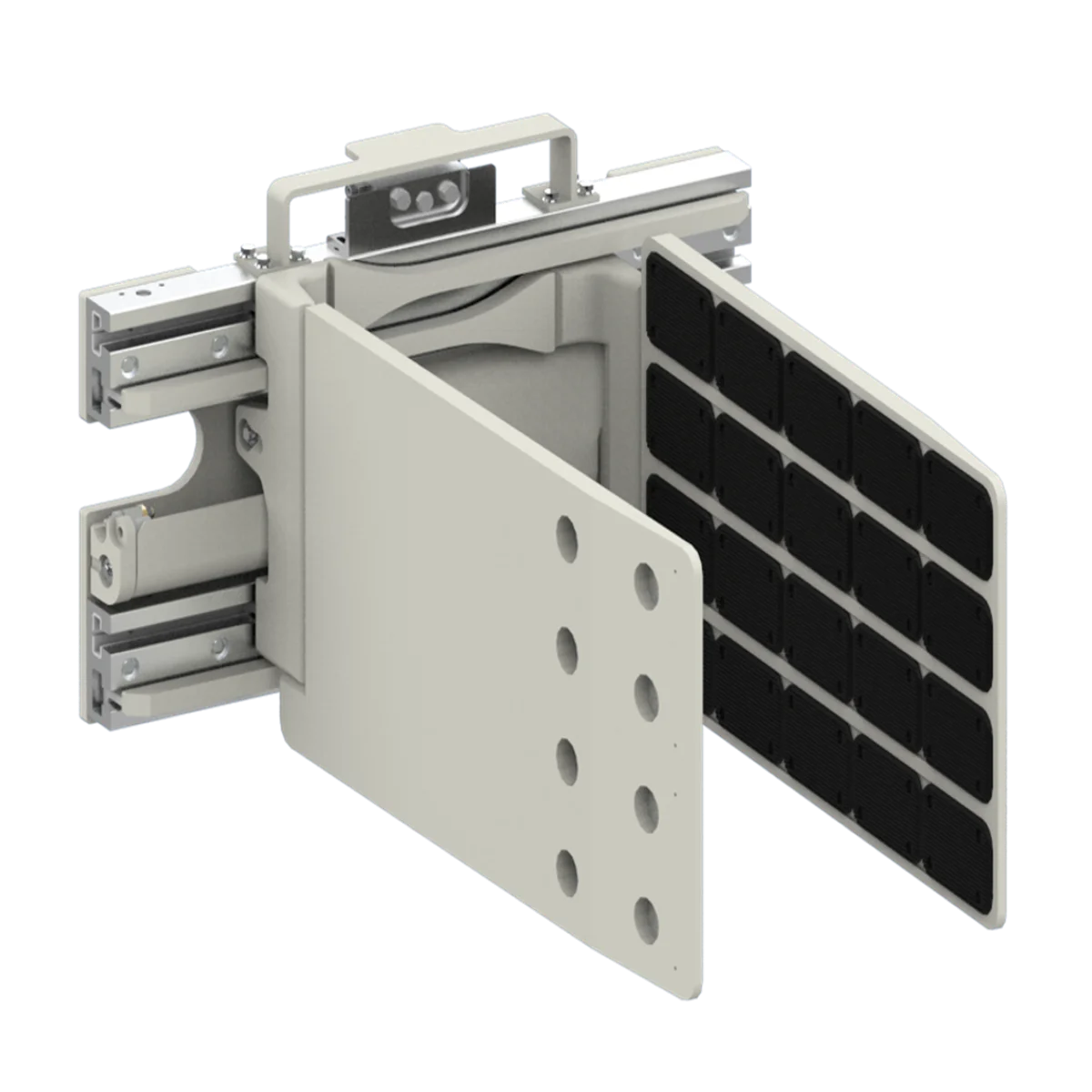

A tire handler is a specialized attachment that turns a forklift, wheel loader or purpose-built carrier into a safe, efficient tire-changing tool. Instead of wrestling with heavy wheel assemblies by hand or relying on makeshift lifting gear, a tire handler attachment grips, lifts, rotates and positions tires with controlled hydraulic force. For operations running loaders, agricultural tractors or mining trucks, the right tire handler reduces downtime, protects technicians and extends tire life. This guide explains the key selection factors, from capacity and mounting class to arm geometry and site conditions, so you can specify a unit that matches your fleet and your working environment.
What a Tire Handler Attachment Does
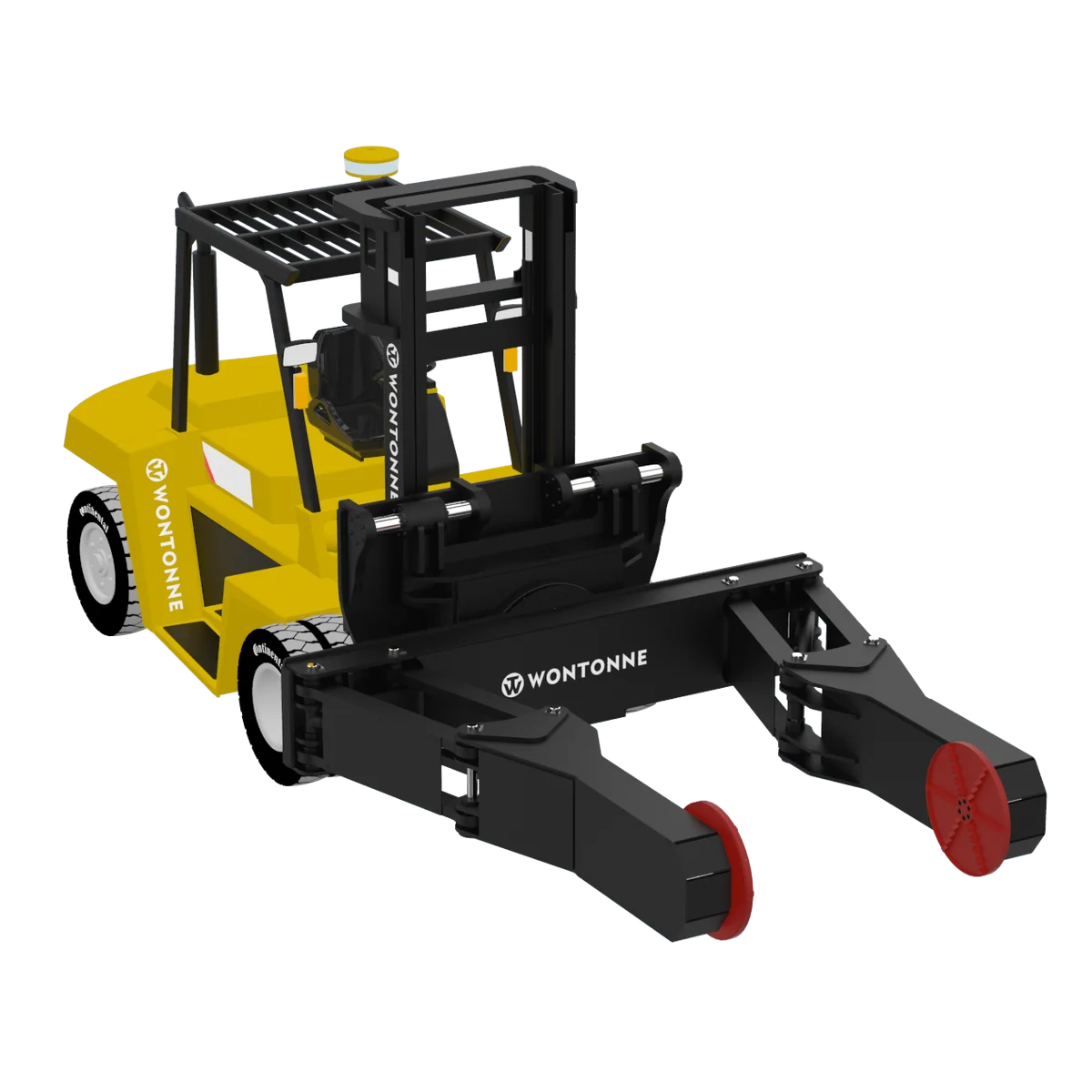
A tire handler attachment mounts on the carriage of a forklift or similar carrier and uses hydraulic clamping arms to secure the tire. Once gripped, the tire can be lifted, tilted, rotated and side-shifted to align with the hub. This eliminates manual lifting and reduces the risk of back injuries and crushed fingers. The attachment also allows one operator to change large tires without additional rigging, which is particularly valuable in remote mining and agricultural sites where support equipment is limited.
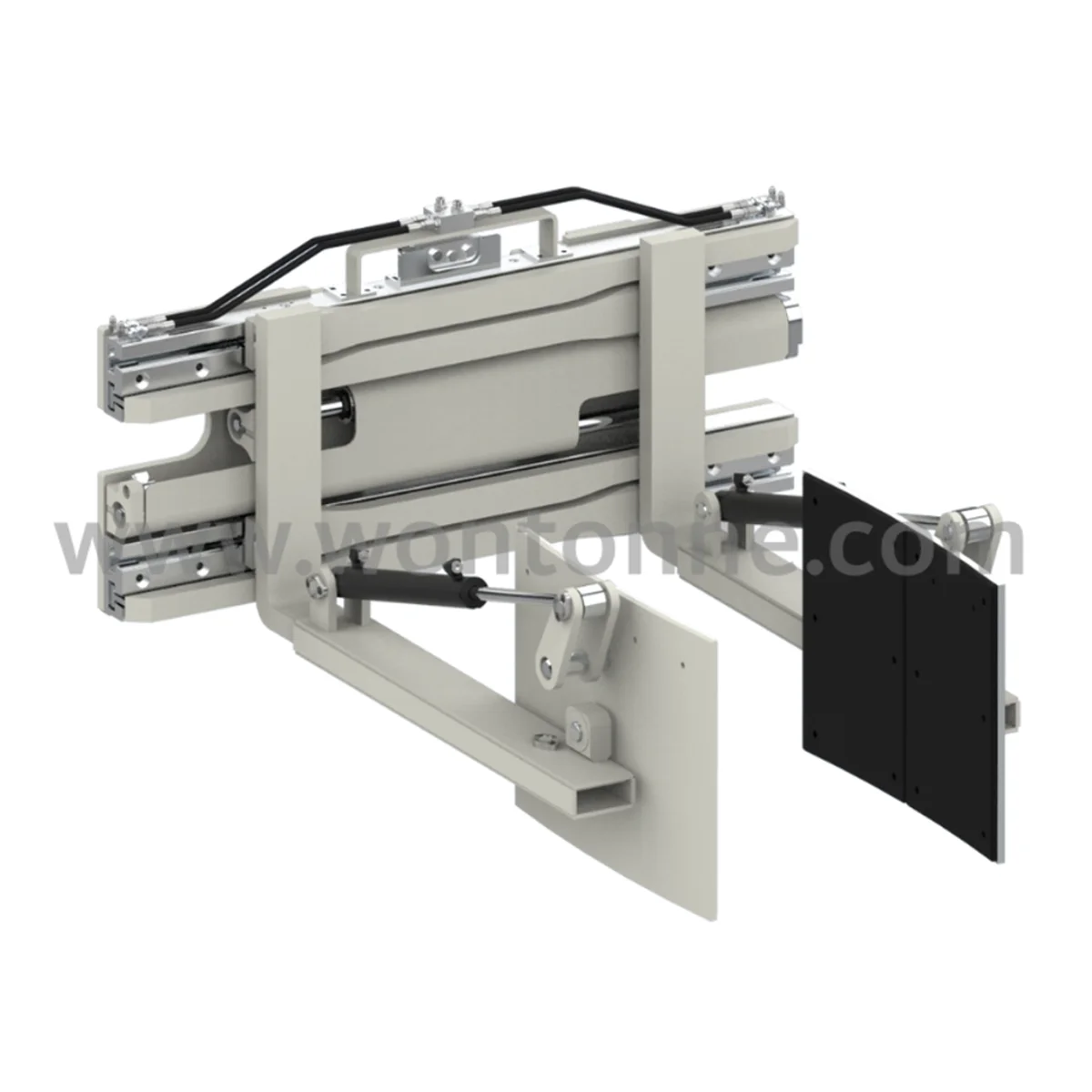
WONTONNE's Tyre Handler is designed for ease of on-site assembly and serviceability, making it suitable for loaders, agricultural tractors and mining truck tires. It handles large tire stacks and supports dedicated tire transport, so the same attachment can be used for both maintenance and logistics tasks.
Key Selection Factors for a Tire Handler
Choosing a tire handler requires matching the attachment to your carrier, your tire sizes and your operating conditions. The following factors should guide your decision.
Capacity and Load Center
Capacity is the maximum weight the attachment can handle at a given load center. The WONTONNE TH52A-3430B model offers a capacity of 5200 kg at a load center of 1850 mm. Always check that the combined weight of the attachment and the tire does not exceed the carrier's rated capacity at the required load center. Remember that capacity decreases as the load center moves further from the carriage.
Mounting Class and Compatibility
The attachment must match the forklift's carriage class. The TH52A-3430B uses ISO 3A mounting, which is common on many heavy-duty forklifts. Confirm the carriage class of your carrier before ordering. WONTONNE attachments are compatible with major forklift brands, but verifying the mounting interface avoids downtime during installation.
Roll Range and Arm Type
The roll range determines the range of tire diameters the attachment can grip. The TH52A-3430B has a roll range of 1320 to 3430 mm, covering a wide spectrum of tire sizes from agricultural to mining. The fixed arm type provides a stable grip for consistent tire profiles. For operations that need to tip tires for discharge, a tipping-type clamp may be more appropriate.
Site Conditions and Serviceability
Mining and construction sites often involve rough terrain, dust and remote locations. Look for a serviceable design that allows on-site maintenance and easy assembly. The WONTONNE Tyre Handler is built with serviceability in mind, reducing the need to transport the attachment to a workshop for repairs.
Comparing Tire Handler Options
The table below compares the WONTONNE Tyre Handler with the Tyre Clamp (Tipping Type), which is designed for tire industry applications requiring a tipping function.
| Model | Capacity (kg) | Load Center (mm) | Roll Range (mm) | Mounting Class | Arm Type | Typical Application |
|---|---|---|---|---|---|---|
| TH52A-3430B | 5200 | 1850 | 1320–3430 | ISO 3A | Fixed | Loaders, agricultural tractors, mining trucks |
| PTT30D-006B | 1850 | 1000 | 700–2500 | ISO 3A | Fixed | Tire industry, tipping and discharge |
For operations that need controlled tire discharge, the Tyre Clamp (Tipping Type) offers a tipping function for special working conditions. It is widely used in tire handling, loading, unloading and stacking.
Safety and Efficiency Benefits
Investing in a proper tire handler attachment delivers measurable safety and productivity gains. Key benefits include:
- Reduced manual handling: Eliminates lifting and twisting by technicians, lowering injury risk.
- Faster tire changes: One operator can complete a change without additional rigging or support equipment.
- Improved tire life: Controlled handling reduces the risk of damaging beads and sidewalls.
- Versatility: The same attachment can handle tire transport and stacking, maximizing utilization.
- Operator confidence: Clear sightlines and stable gripping increase safety during positioning.
Many operations report significant efficiency improvements after switching to professional tire handling attachments, particularly when replacing manual methods or improvised lifting gear.
Choosing Between a Tire Handler and a Tire Clamp
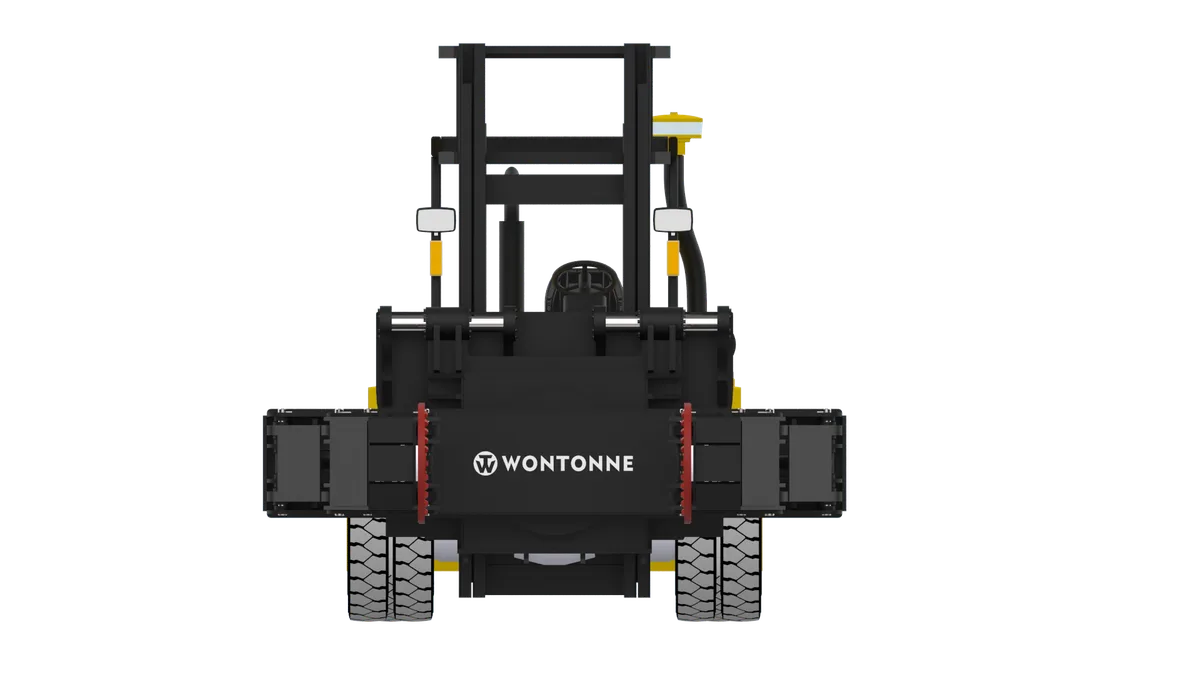
While both attachments handle tires, they serve different primary purposes. A tire handler is typically used for mounting and removing tires on vehicles, with a focus on precise alignment and rotation. A tire clamp, especially a tipping type, is often used in tire manufacturing, warehousing and distribution for stacking and discharging tires. If your work is primarily fleet maintenance, a tire handler is the better choice. If you need to tip tires for inspection or discharge, a tipping clamp is more suitable. Some operations use both attachments on different carriers to cover all tire handling tasks.
Frequently Asked Questions
What is the difference between a tire handler and a tire manipulator?
The terms are often used interchangeably. Both refer to attachments that grip, lift and rotate tires. Some manufacturers use "manipulator" to emphasize the articulation and positioning capabilities, but the core function is the same.
Can a tire handler be used on a standard forklift?
Yes, provided the forklift has the correct carriage class and sufficient capacity at the required load center. The WONTONNE TH52A-3430B uses ISO 3A mounting, which is common on many heavy-duty forklifts. Always verify the forklift's rated capacity with the attachment and tire load.
How do I determine the right roll range for my tires?
Measure the outside diameter of the largest and smallest tires you need to handle. The roll range of the attachment should cover this span. For example, the TH52A-3430B covers 1320 to 3430 mm, suitable for many agricultural and mining tires. If your tires fall outside this range, consult WONTONNE for a suitable model.
Next Steps
Selecting the right tire handler attachment is a decision that affects safety, uptime and operating cost. Review your tire sizes, carrier specifications and site conditions, then match them to an attachment with the appropriate capacity, mounting class and roll range. For personalized guidance, explore our full range of forklift attachments or contact WONTONNE to discuss your application with our technical team.