
When you search for forklift extensions for sale, the listings all look similar: a pair of sleeves, a jib, a bucket. The difference between a good purchase and an expensive mistake is whether the attachment matches your load, your truck and your load centre. WONTONNE has manufactured forklift attachments and material handling equipment for more than 20 years, exporting to distributors, rental fleets and industrial plants. This guide explains what the main extension categories do, how capacity changes once you add one, and what to confirm before you buy forklift extensions.
What “forklift extensions for sale” usually covers
In the trade, the phrase covers more than slip-on fork sleeves. Buyers use it for any attachment that extends the reach, footprint or function of a forklift. The main families are:
- Fork extension tines and sleeves — slip over the existing forks to handle longer or wider loads such as timber, pipe bundles and pallets that sit outside the standard fork length.
- Forklift booms and jibs — convert the truck into a mobile crane for lifting coils, crates and machinery from a single pick point.
- Hoppers and buckets — add a bulk-material container for sand, gravel, coal and debris.
- Clamps — replace or supplement the forks to grip cartons, bales, billets and foam without a pallet.
Each family has its own capacity rules. A pair of extension tines is rated at a load centre; a boom is rated at a specific radius; a clamp is rated at a grip range. Comparing them on price alone tells you very little.
Fork extension tines: the capacity question most buyers miss
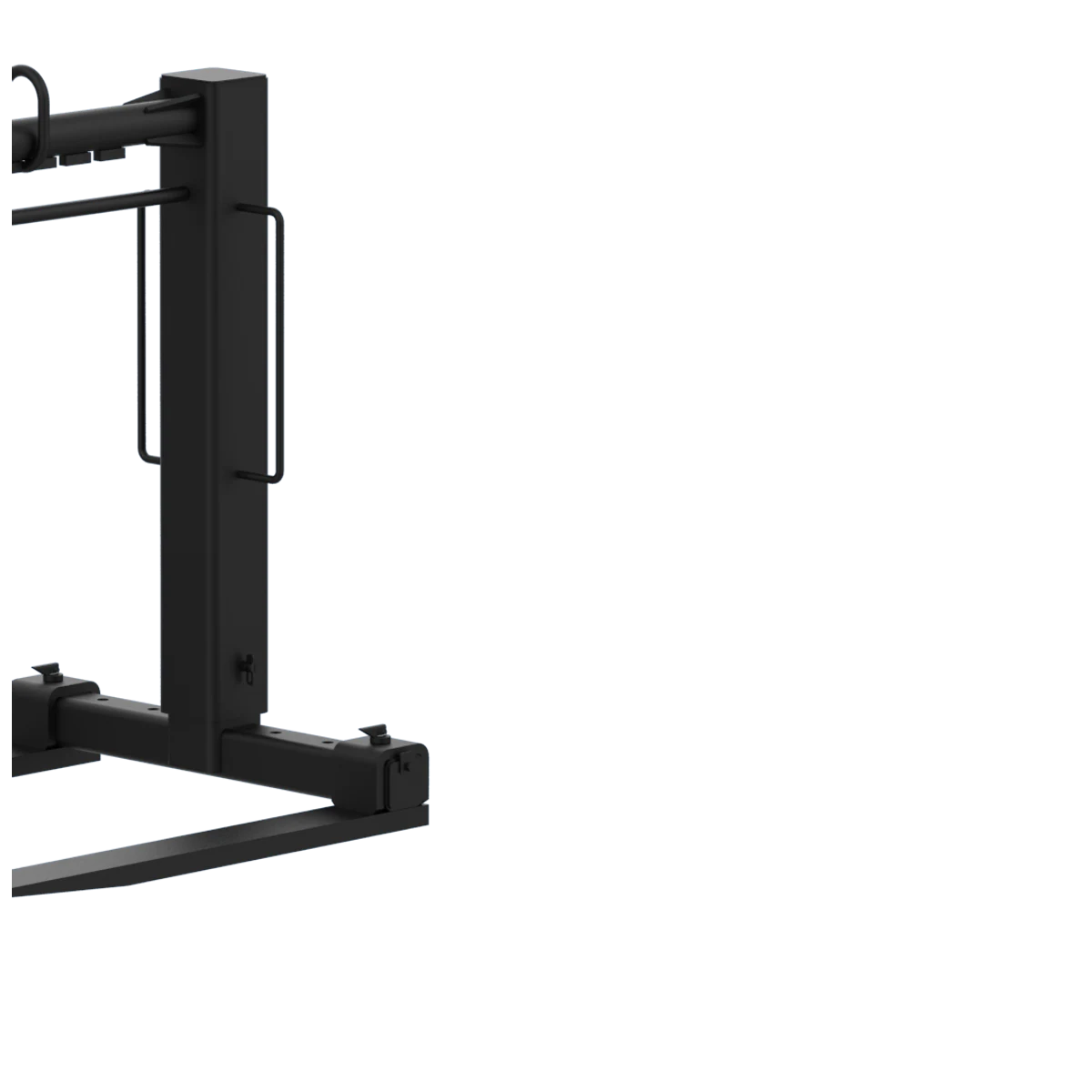
Forklift tines for sale are often marketed by length — 60, 72, 84, 96 inches — with little mention of what happens to capacity as the load moves forward. Extending the fork moves the load centre away from the carriage. The further out the load sits, the lower the safe capacity, even if the sleeve itself is heavy duty.
The practical rule: ask for the capacity rating at the load centre you will actually use, not just the headline figure. A sleeve rated for a heavy load at a short load centre may be rated for a fraction of that at a longer one. If the seller cannot supply a rating curve, treat the attachment as unrated for anything but the lightest work.
Also check the fit. Boxed extensions that enclose all four sides of the fork give a tighter fit and a more stable loading surface than open-channel sleeves. Measure your existing fork width and thickness before ordering, and confirm the retention method — a sleeve that can creep forward under load is a hazard.
Booms, hoppers and clamps: choosing by load, not by price
Forklift booms
A forklift boom for sale is the right tool when the load has a single lifting point and the truck cannot get its forks underneath. The key specification is the capacity at each lifting radius, plus the boom's own weight, which reduces the truck's remaining capacity. For a boom extension, confirm the maximum reach and the rating at that reach.
Hoppers and buckets
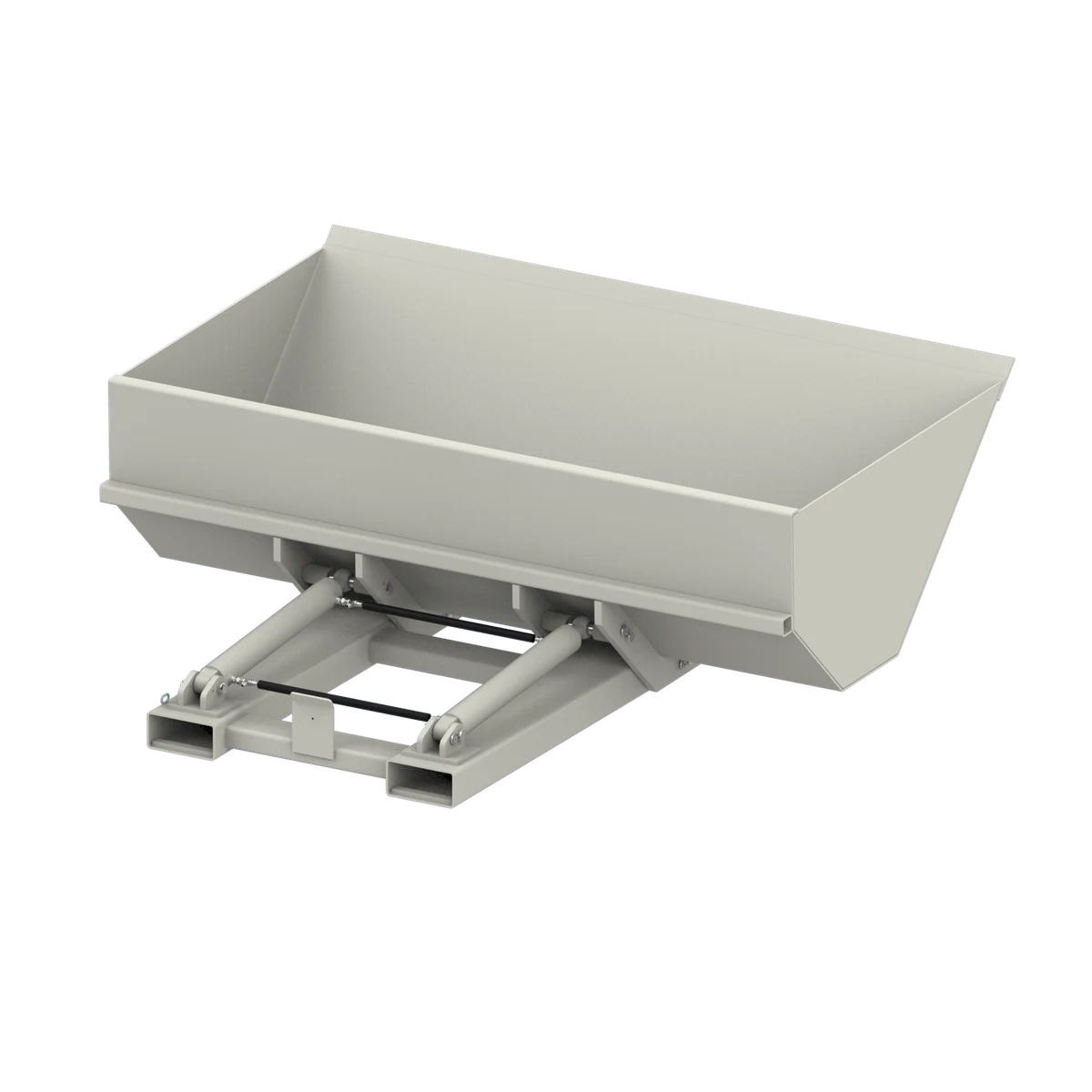
A forklift hopper for sale is essentially a container on a carriage. The DBHS-20 Hydraulic Bucket is a good reference point: 2000 kg capacity, 0.8 m³ volume, 45°/45° hydraulic tilt, pocket-type mounting with 188 × 76 mm pockets at 700 mm spacing. It handles sand, gravel, coal and construction debris. Note that a bucket's weight and forward centre of gravity both reduce what the truck can safely carry.
Clamps
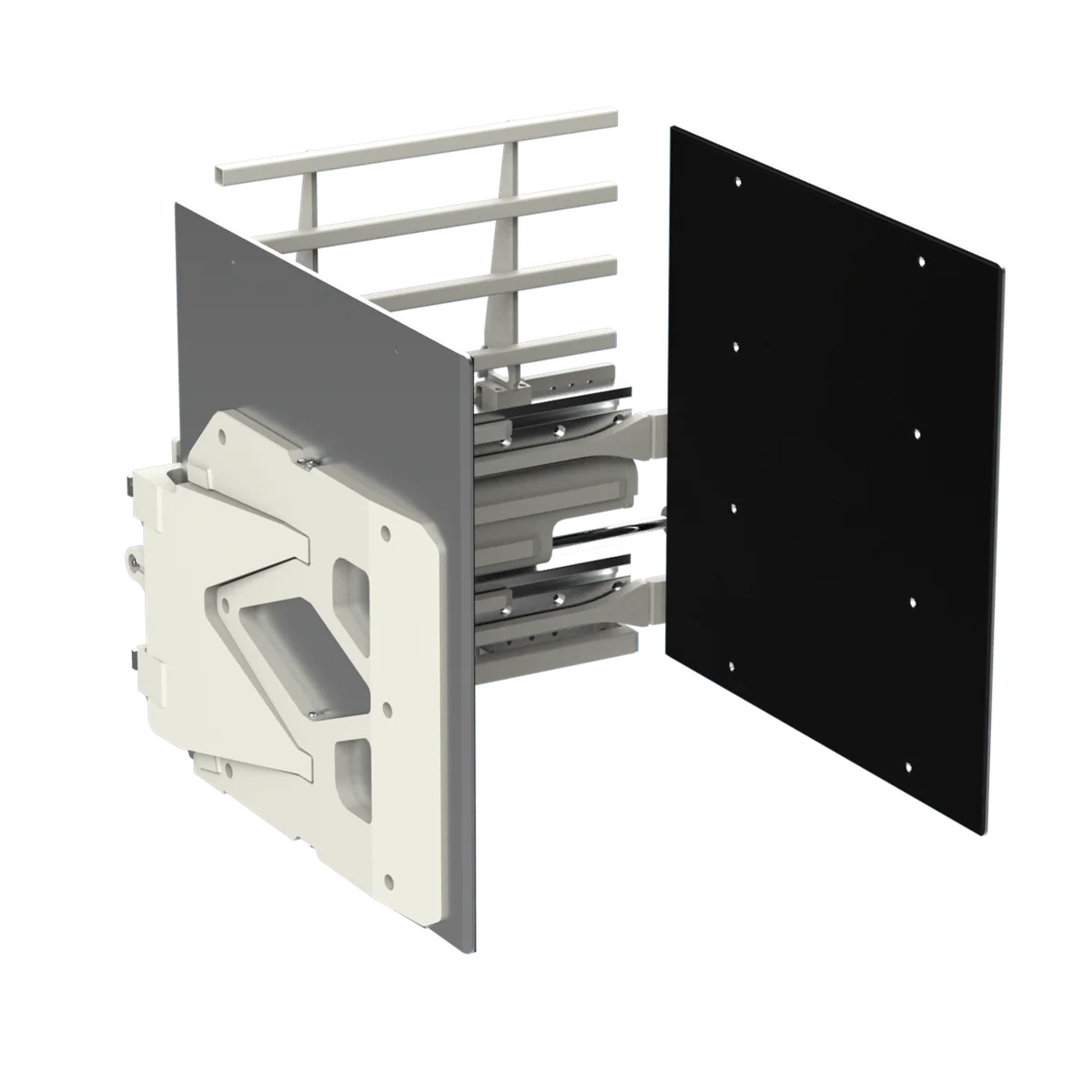
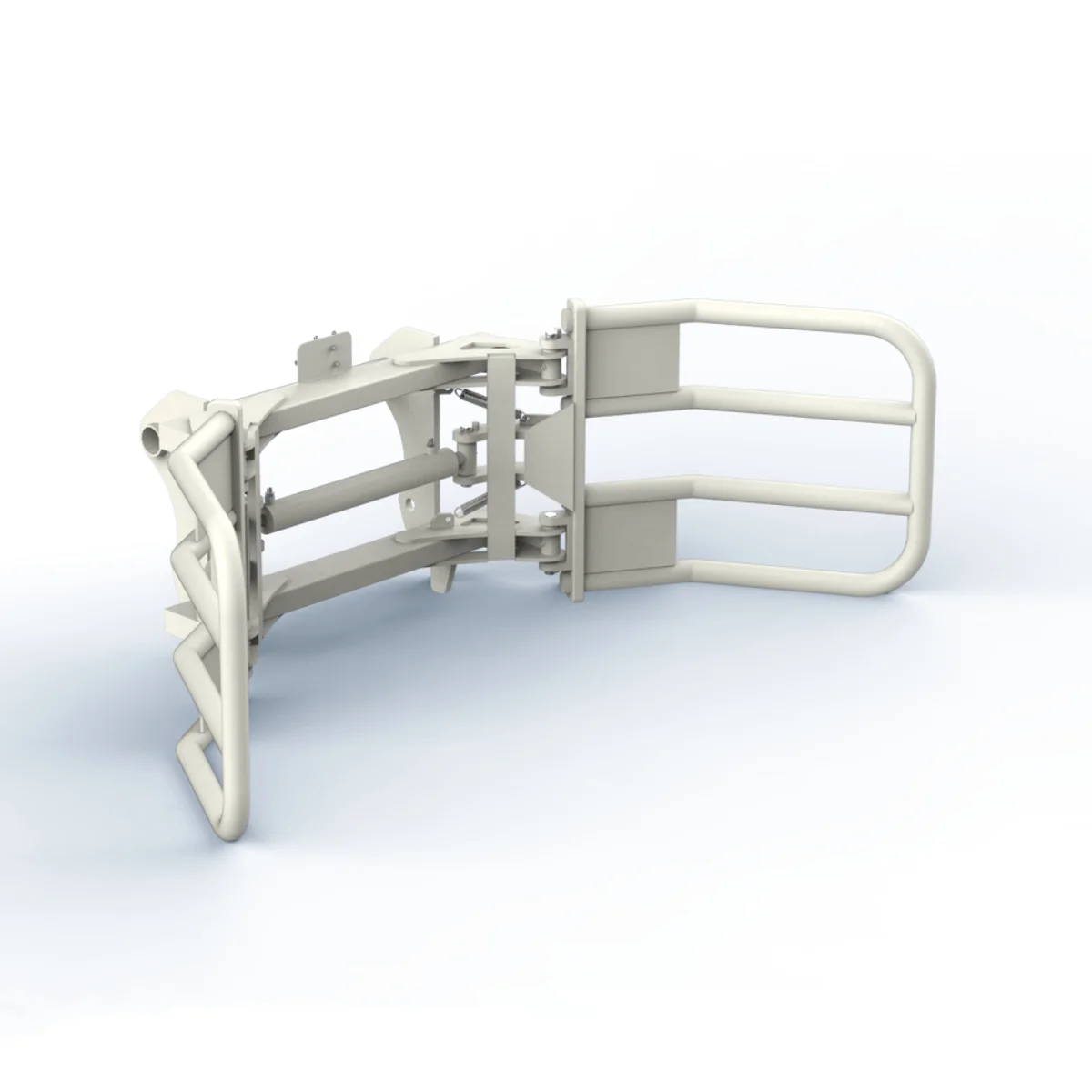
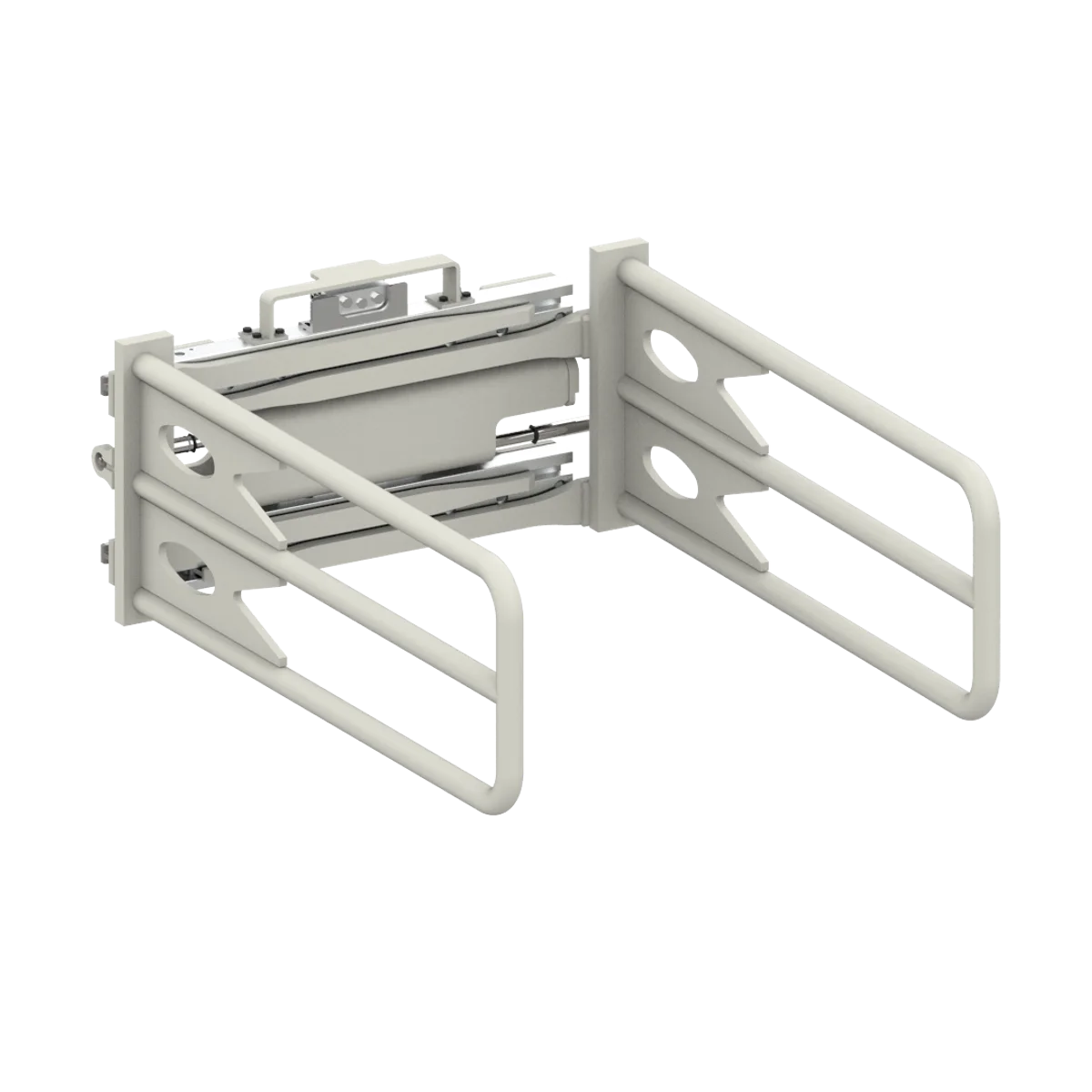
If you are considering a forklift with clamp for sale, you are buying a handling system, not just an attachment. Clamps let you handle palletless loads — cartons, bales, billets, foam — and can reduce pallet purchase and rental costs. The Fork Clamps (Revolving Type) tilt forks by 45° and 90° for clamping, turning and handling bales and cartons, with capacities up to 2300 kg. The Multi-purpose Clamps (Revolving) add 360° rotation for paper, wooden and metal cartons and baled products, with capacities up to 2700 kg.
For steel plants, the Forging Clamps grip billets and forged components with a 150–650 mm arm range and a 3000 kg capacity. For foam and styrofoam, the Foam Rubber Clamps handle non-palletised bales up to 800 kg with independent sideshift.
Comparison: matching the attachment to the job
The table below summarises representative WONTONNE attachments across the main extension categories. Use it to shortlist, then confirm the exact model and rating against your truck and load.
| Attachment | Typical job | Key specification | What to confirm |
|---|---|---|---|
| Fork extension tines / sleeves | Long or wide loads: timber, pipe bundles, oversized pallets | Rated at a stated load centre; boxed or open-channel fit | Fork width and thickness, retention method, rating at your load centre |
| Forklift boom / jib | Single-point lifts: coils, crates, machinery | Capacity at each lifting radius; boom weight | Remaining truck capacity after boom weight; maximum reach |
| DBHS-20 Hydraulic Bucket | Sand, gravel, coal, debris | 2000 kg; 0.8 m³; 45°/45° tilt; pocket mounting | Pocket size and spacing; forward centre of gravity |
| Fork Clamps (Revolving Type) | Bales, cartons, tobacco, paper, chemical fiber | Up to 2300 kg; 45°/90° fork tilt | Grip range; mounting class; load centre |
| Multi-purpose Clamps (Revolving) | Paper, wooden and metal cartons; baled products | Up to 2700 kg; 360° rotation | Arm range; mounting class; palletless handling plan |
| Forging Clamps | Billets, bars, forged components | 3000 kg; 150–650 mm arm range; ISO 3A | High-temperature duty; grip range vs. billet size |
| Foam Rubber Clamps | Foam rubber and styrofoam bales | Up to 800 kg; independent sideshift | Bale size; visibility; custom modifications |
Before you buy: a short checklist
Whether you are buying forklift extension tines, a boom or a clamp, the same questions apply:
- What is the load, and where is its centre? Measure the load length and the distance from the carriage to the load centre.
- What is the truck's remaining capacity? Subtract the attachment weight and account for the new load centre.
- Does the mounting match? Confirm the mounting class (ISO 2A, ISO 3A or pocket/slip-on dimensions) against your carriage.
- Is the attachment rated for the environment? Outdoor, high-temperature or corrosive work may need different construction.
- Is spare parts and technical support available? A cheap attachment with no support becomes scrap quickly.
For pipe and steel handling, the Pipe Stabilizers secure steel pipes with a 50–900 mm pipe-diameter range and 4000–12000 kg capacity. For agricultural bales, the Hay Clamp handles hay and forage up to 1000 kg. For bagged goods, the Bag Lifter carries bags up to 2000 kg with slip-on or mounting installation.
Frequently asked questions
Do forklift extensions reduce lifting capacity?
Yes. Any attachment adds weight and moves the load centre forward, so the safe capacity of the truck-plus-attachment combination is lower than the truck's bare rating. Always use the attachment's capacity rating at your actual load centre, not the headline figure.
Can I use fork extension tines on any forklift?
Only if the sleeve fits your fork width and thickness and the combined capacity is adequate for the load. Boxed extensions that enclose all four sides of the fork give a tighter, more stable fit. Confirm the retention method and never exceed the rated load centre.
What is the difference between a forklift boom and a fork extension?
A fork extension lengthens the fork to support a load along its length. A boom replaces the lifting function with a single pick point at a radius, so capacity is rated at each radius rather than at a load centre. They solve different handling problems and are not interchangeable.
Next step
WONTONNE supplies all forklift attachments — fork clamps, revolving clamps, buckets, pipe stabilizers, bag lifters and more — with ISO mounting options and after-sales technical support and spare parts. If you are comparing forklift extensions for sale and need a capacity check against your truck and load, contact WONTONNE with your load details and carriage dimensions, and the team will confirm the right model.