
Carton clamps are specialized forklift attachments that grip and lift cartons, appliances, and other boxed goods directly—without a pallet. By eliminating the pallet, operations reduce packaging costs, save warehouse space, and streamline material flow. This guide explains how carton clamps work, the key design features to evaluate, and how to select the right model for your application.
What Are Carton Clamps and How Do They Work?
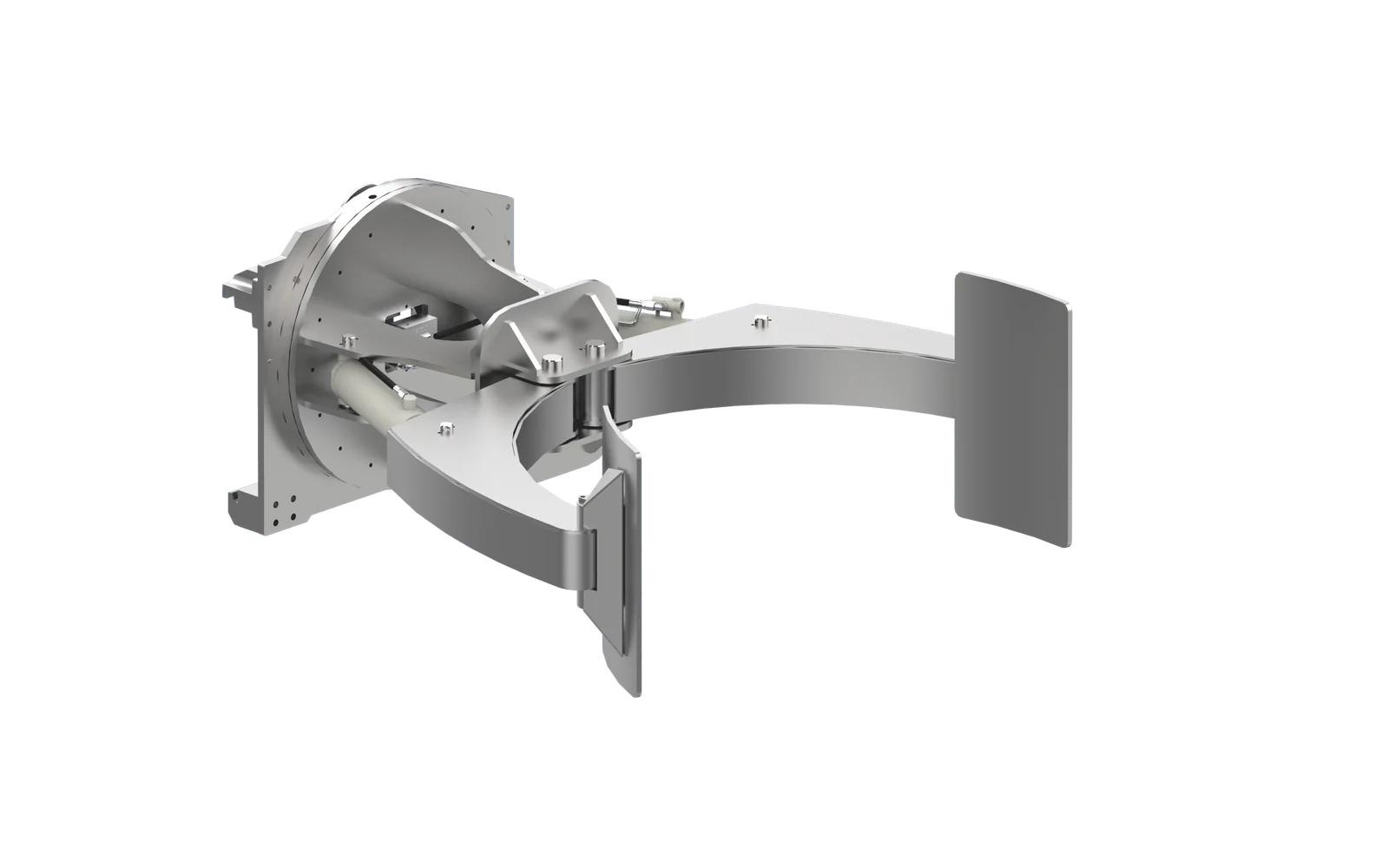
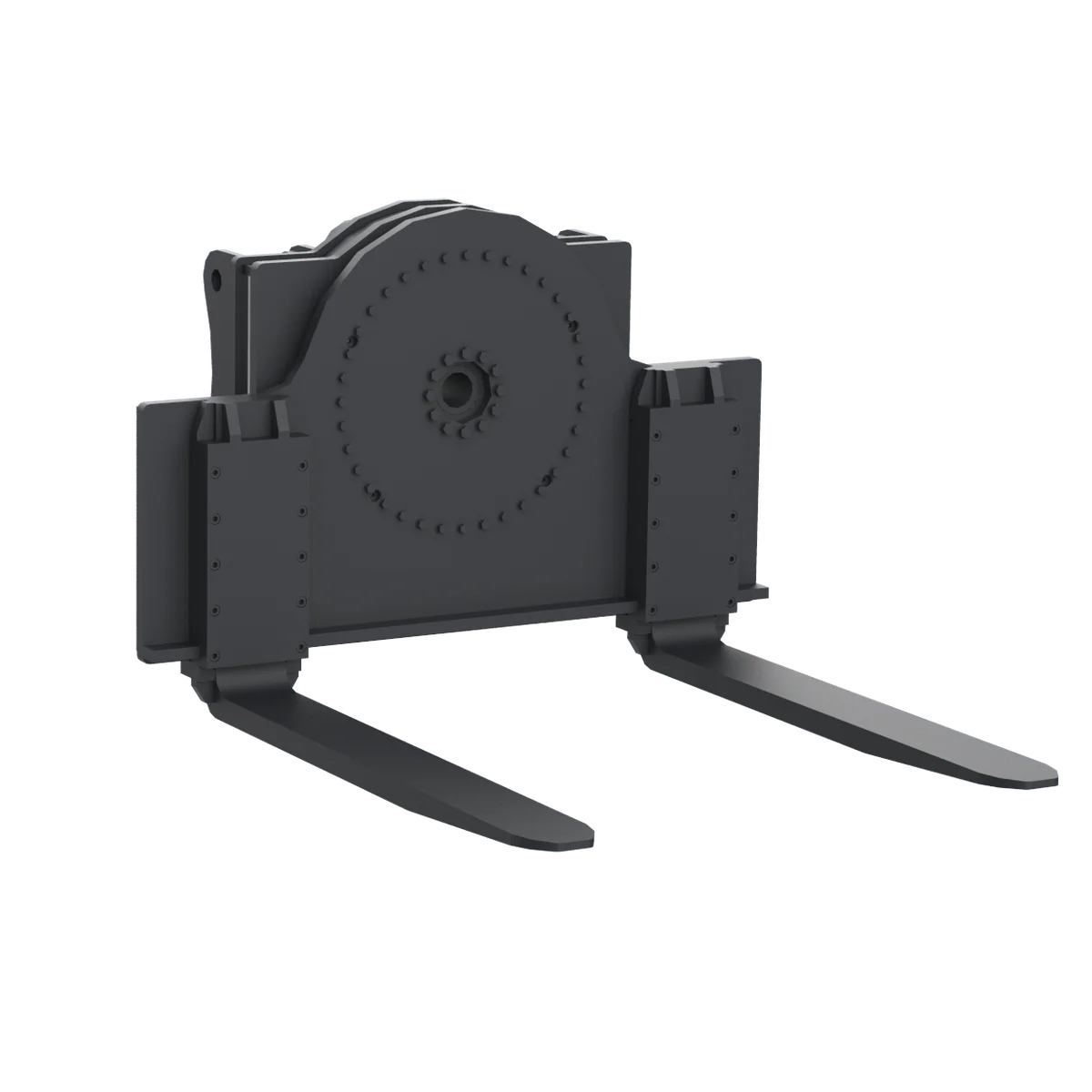
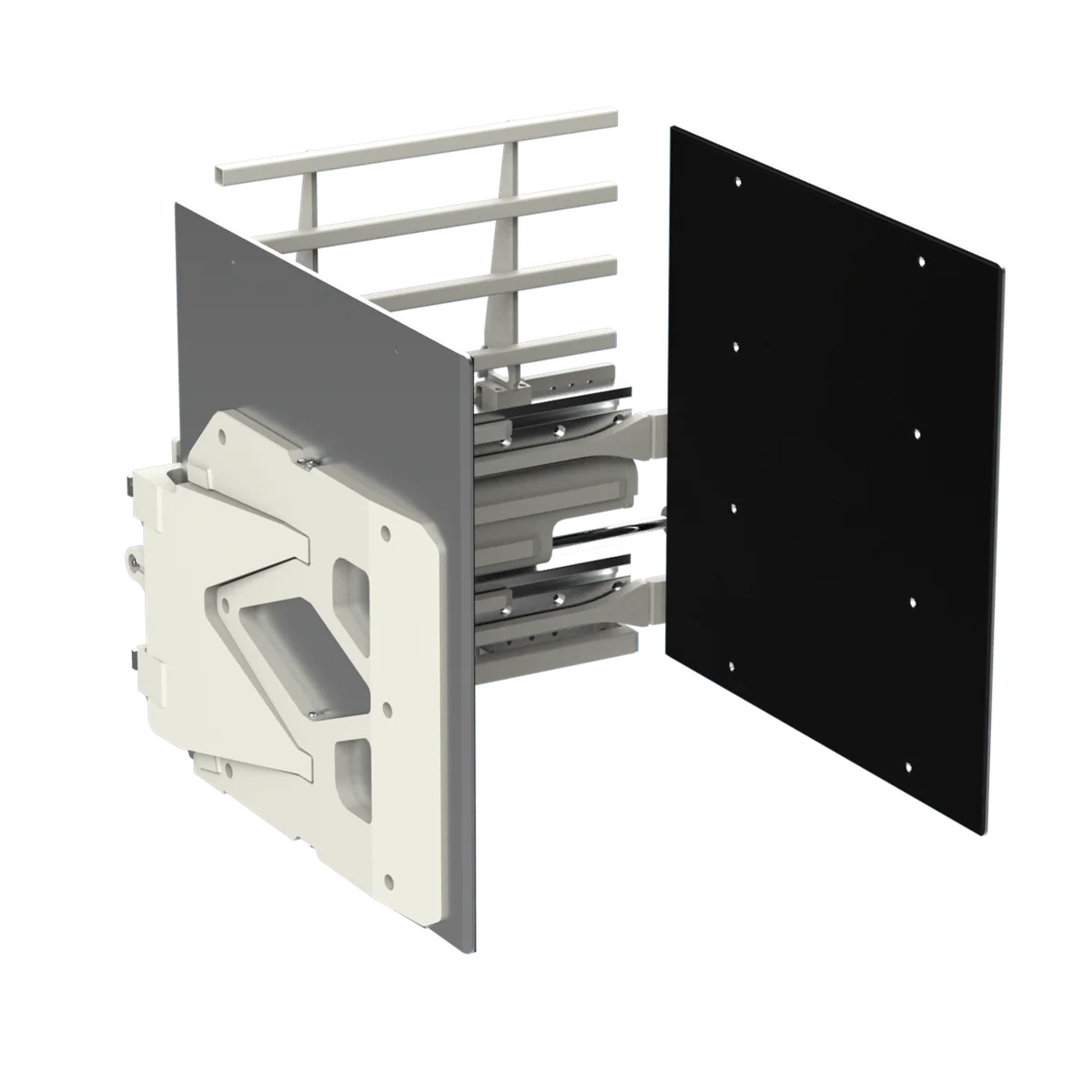
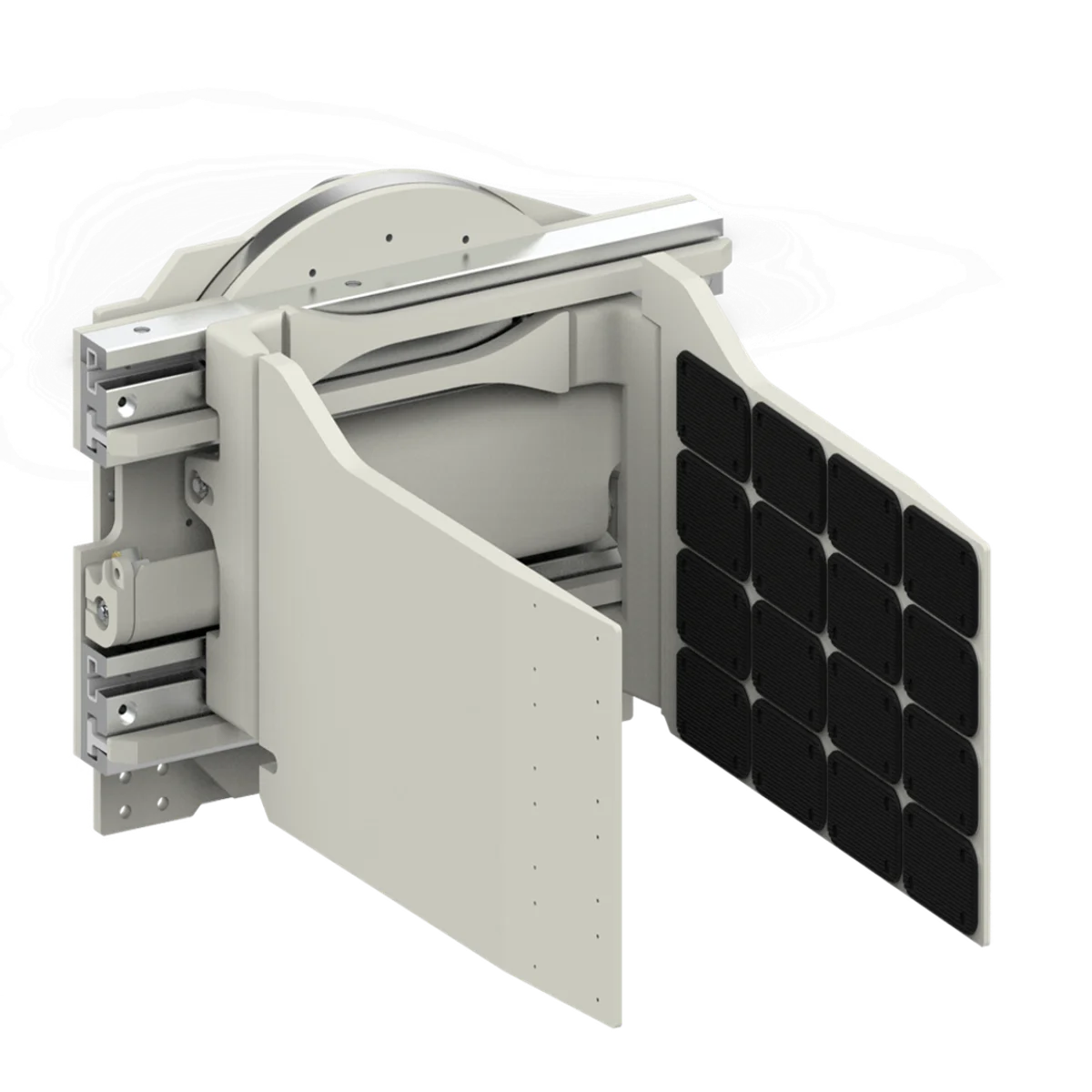
Carton clamps, also known as forklift carton clamps, are hydraulic attachments that replace standard forks. They use two large, padded arms to clamp loads from the sides, allowing the operator to lift, transport, and stack unitized loads without a pallet. The clamping force is adjustable to prevent product damage, and many models offer features like 360° rotation or side-shifting for precise placement.
These attachments are widely used in industries such as warehousing, beverages, home appliances, and electronics. They are particularly effective for handling “white goods” (refrigerators, washing machines) and “brown goods” (televisions, consumer electronics), as well as cases of wine, food, and chemicals.
Key Components of a Carton Clamp
- Flexible arm and contact pad joint: Ensures even pressure distribution across the load.
- Durable lightweight aluminum plates: Reduce attachment weight while maintaining strength.
- Vulcanized rubber adhesion: Provides a high-friction surface to grip cartons securely.
- Thin splint: Allows entry into tight spaces and pallet gaps.
- Load guard with good view: Protects the load and gives the operator visibility.
- Four-stage pressure regulating valve: Enables precise control of clamping force.
Types of Carton Clamps
Carton clamps come in several configurations to suit different load types and operational needs. The most common types include:
- Standard carton clamps: For general boxed goods and appliances.
- Rotating carton clamps: Allow 360° rotation for handling loads that need to be inverted or positioned at an angle.
- Appliance clamps: Specifically designed for white goods, with larger pads and higher clamping forces.
- Bale clamps: Similar design but optimized for bales rather than cartons.
When evaluating a carton clamp attachment, consider the opening range, clamping force, and mounting class to ensure compatibility with your forklift and load requirements.
Key Specifications to Consider When Choosing a Carton Clamp
Selecting the right carton clamp involves matching the attachment’s capacity and opening range to your loads. Below is a comparison of typical specifications for WONTONNE carton clamps.
| Model | Capacity (kg) | Load Center (mm) | Opening Range (mm) | Mounting Class | Weight (kg) |
|---|---|---|---|---|---|
| CCS20E-005A | 1600 | 610 | 560–1930 | ISO 2A | 715 |
| CCS20E-005B | 1600 | 610 | 560–1930 | ISO 3A | 718 |
| CCS20E-006A | 1400 | 710 | 560–1930 | ISO 2A | 820 |
| CCS20E-006B | 1400 | 710 | 560–1930 | ISO 3A | 823 |
| CCS20E-030A | 1400 | 710 | 760–2130 | ISO 2A | 822 |
| CCS20E-030B | 1400 | 710 | 760–2130 | ISO 3A | 825 |
Note: Specifications are for reference and may vary by configuration. Always consult the manufacturer for exact details.
Benefits of Using Carton Clamps
Switching to carton clamps can deliver significant operational improvements:
- Cost savings: Eliminate pallet purchase, maintenance, and disposal costs.
- Space optimization: Without pallets, you can store more product per cubic meter, increasing warehouse utilization.
- Product protection: Adjustable clamping force and rubber pads reduce damage to cartons and goods.
- Efficiency: Faster load handling because there’s no need to position forks under a pallet.
- Versatility: Handle a wide range of carton sizes and appliance types with one attachment.
Applications and Best Practices
Carton clamps are used across many industries. In home appliances, they handle refrigerators, washing machines, and microwaves. In electronics, they transport televisions and computers. Beverage and food distributors use them for cases and boxes. Chemical companies handle bagged or boxed products.
To maximize safety and efficiency, follow these best practices:
- Match the clamp’s opening range to the largest and smallest loads you handle.
- Set the clamping force according to the product’s crush resistance—use the pressure regulating valve.
- Ensure the forklift’s hydraulic system is compatible with the attachment’s requirements.
- Train operators on proper clamping techniques to avoid load damage.
- Regularly inspect pads and slides for wear, replacing them as needed.
For maintenance, keep an eye on wear parts like the Slide, which is used in sliding-arm attachments such as carton clamps.
Frequently Asked Questions
What is the difference between a carton clamp and a bale clamp?
Carton clamps are designed for handling boxed goods and appliances, with large flat pads and adjustable pressure to prevent crushing. Bale clamps are for handling bales of recycled materials, hay, or cotton, with narrower arms and higher clamping forces.
Can carton clamps be used on any forklift?
Carton clamps are available in different mounting classes (e.g., ISO 2A, ISO 3A) to fit various forklift models. Ensure the attachment’s mounting class matches your forklift and that the forklift’s capacity is sufficient for the attachment weight plus load.
How do I choose the right carton clamp for my operation?
Consider your load types, sizes, and weights. Determine the required opening range and capacity. Also think about features like rotation or side-shifting. Consult with a manufacturer like WONTONNE to select the optimal model.
Conclusion
Carton clamps are a valuable investment for any operation handling palletless loads. They reduce costs, improve efficiency, and protect products. To explore WONTONNE’s range of carton clamps and other forklift attachments, visit our All forklift attachments page or Contact WONTONNE for expert advice.