
Heavy duty fork extensions are the fastest way to turn a standard counterbalance truck into a machine that can pick up long loads—without buying a second set of extra-long fork blades. They slip over the existing forks, add reach and support, and come off again when the shift changes. For operations moving pipe, timber, steel sections, or oversized crates, they are one of the most cost-effective attachments available. But they also change the load center, and that is where most mistakes happen.
This guide explains how heavy duty fork extensions work, how to match them to your forks and truck, and the checks that keep the attachment inside its rated capacity.
What Makes a Fork Extension “Heavy Duty”?
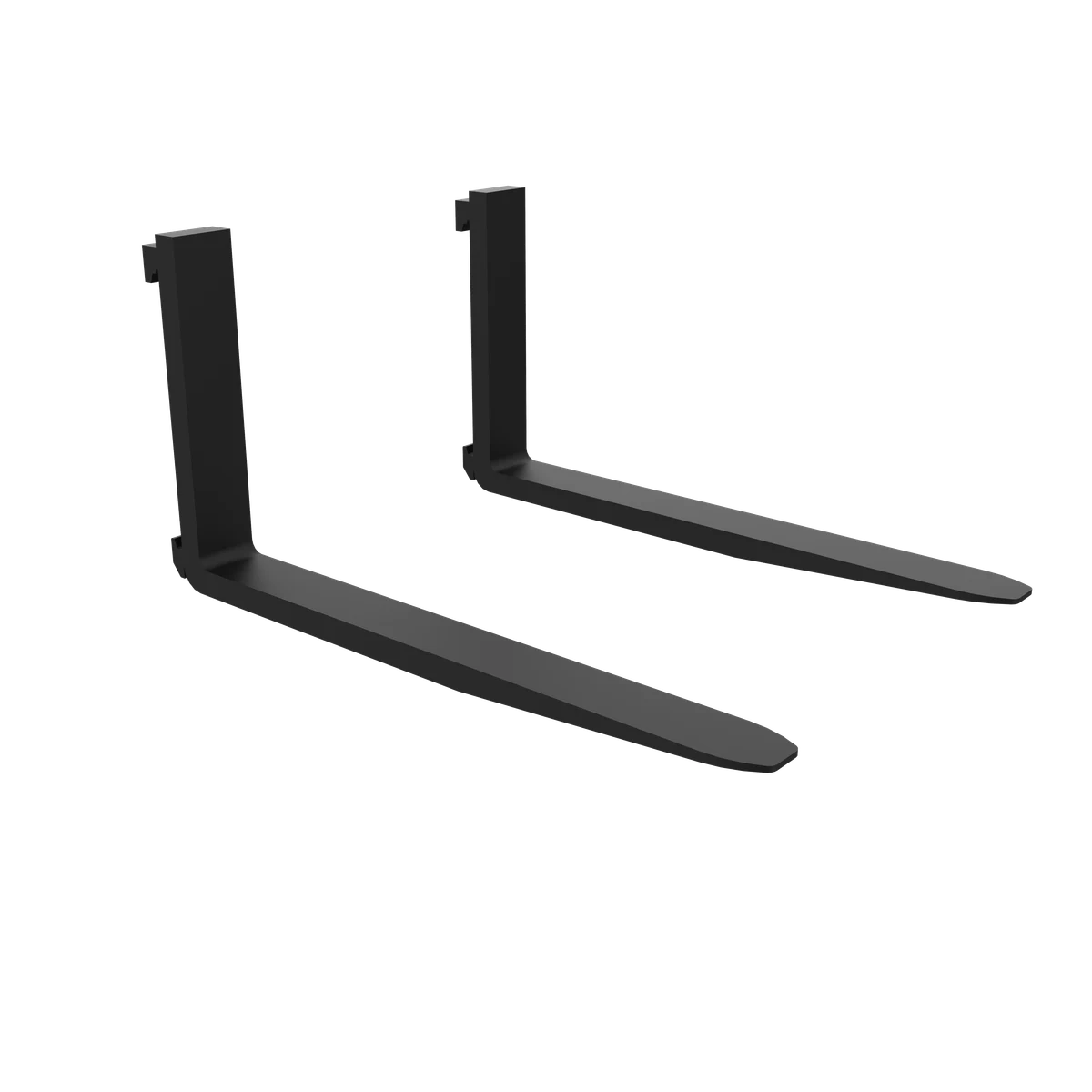
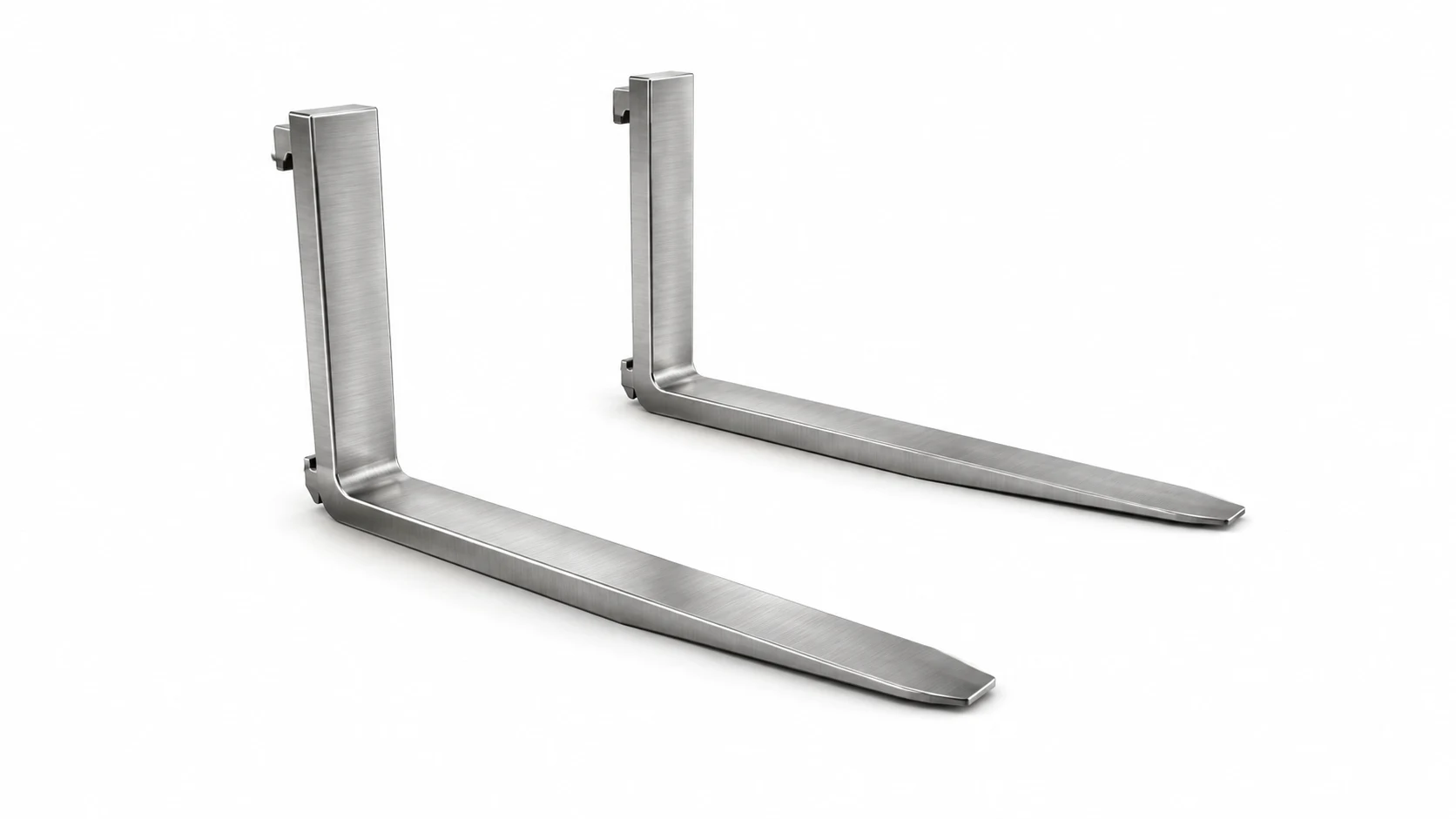
All fork extensions do the same basic job: they extend the effective length of the fork so the load sits fully supported. The difference between a light sleeve and a heavy duty forklift fork extension is in the wall thickness, the reinforcement, and the way the extension is closed around the parent fork.
A heavy duty extension typically uses a closed-bottom or fully boxed profile, with extra material at the heel and along the sides to resist bending when the load sits far forward. That reinforcement matters because the further the load center moves from the carriage, the lower the safe working load becomes. Heavy duty extensions are built to carry that forward load without permanent deflection.
In the WONTONNE range, the standard Forklift Extension uses a closed-bottom design, slips onto existing forks, and is rated to 8,500 kg, with galvanized or painted finish options. The range includes models built for 100×45 mm and 140×55 mm fork sections, so you can match the extension to the fork profile on your truck rather than forcing a loose fit.
Matching Extensions to Your Forks and Truck
The first specification to confirm is the parent fork section—thickness and width. An extension that is too loose will rock on the fork and wear at the heel; one that is too tight will not seat fully. Measure the fork section at the heel, not at the tip, because forks taper.
Next, confirm the load. The rated capacity of the extension is not the capacity of the truck with the extension fitted. The truck's residual capacity must be calculated with the new, longer load center. A simple rule: if the load center doubles, the capacity available at that point drops sharply, so always check the truck's data plate and load chart before lifting.
- Fork section: match thickness and width to the extension's mounting size.
- Extension length: long enough to support at least two-thirds of the load length.
- Load center: recalculate residual capacity with the load moved forward.
- Retention: use the locking pin or strap supplied; never rely on gravity alone.
- Condition: inspect for cracks, bends, or worn heels before each shift.
Heavy Duty Fork Extensions: Typical Specifications
The table below summarizes the main WONTONNE fork extension data and related fork options. Use it as a starting point, then confirm the exact model against your truck and load.
| Product | Category | Key specification | Typical use |
|---|---|---|---|
| Forklift Extension (FE series) | Fork extension | Rated to 8,500 kg; 100×45 mm and 140×55 mm mounting; closed-bottom design | Long pipe, timber, steel sections |
| Forklift Forks (ISO 4A Mount) | Mounted forks | ISO 4A; for 5,000–7,000 kg capacity forklifts; multiple lengths | General heavy handling, fork/clamp/push/pull |
| Lifting Forks | Lifting forks | 2,500 kg capacity; 1,250 mm lifting stroke; ISO 3A | Raising loads to a working height |
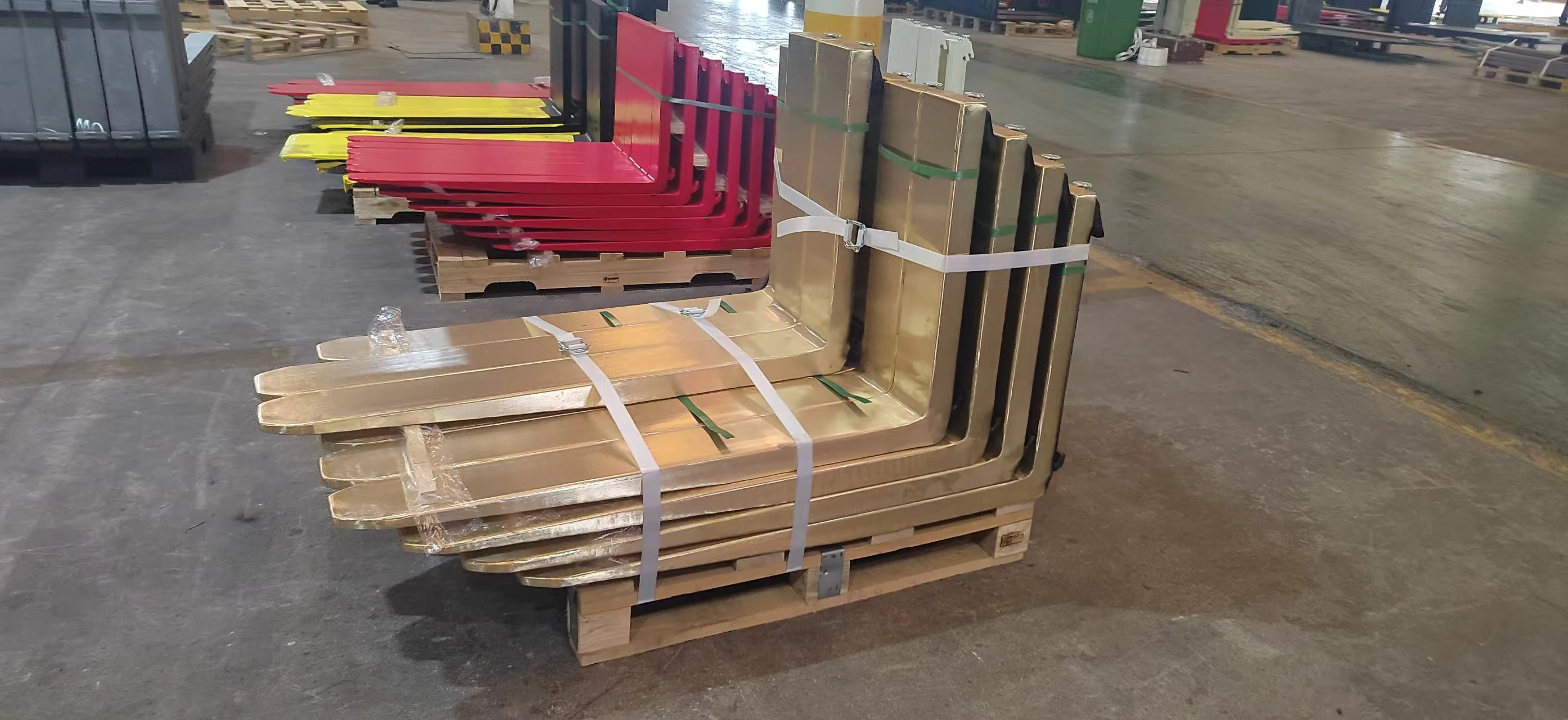
| Copper-Plated Forks | Special forks | Steel core with copper-clad surface; non-sparking | Electronics, hazardous goods, spark-protection zones |
| Spark-Retardant Brass-Clad Forks | Special forks | Brass-clad surface; steel core | Chemical, oil & gas, paint, solvent |
For operations that need a different fork rather than an extension, the Forklift Forks (ISO 4A Mount) are a multi-purpose option for 5,000–7,000 kg trucks, with fork, clamp, push, and pull functions. Where the task is lifting to a working height rather than extending reach, the Lifting Forks provide a 1,250 mm lifting stroke at 2,500 kg capacity.
Safety and Inspection Points That Matter
Fork extensions are simple, but they are not maintenance-free. The most common failure is a bent extension caused by lifting a load that was too heavy for the extended load center. The second most common is the extension sliding off because the retention pin was not fitted.
Build a short pre-shift check into your routine: confirm the extension is fully seated on the fork, the pin or strap is engaged, the heel is not cracked, and the extension is not bent or twisted. Any extension that has been overloaded should be taken out of service and inspected before reuse. Mark the rated capacity on the extension itself so operators do not have to guess.
An extension does not increase what the truck can lift. It moves the load forward, and the load chart still governs the lift.
When to Choose a Special Fork Instead
Not every long-load problem is solved by an extension. In hazardous areas, a standard steel extension can generate sparks on impact. For those environments, Spark-Retardant Brass-Clad Forks use a brass-clad surface to suppress spark generation while keeping a high-strength steel core. In electronics or spark-protection zones, Copper-Plated Forks combine a copper-clad surface with a steel core for conductivity and non-sparking performance.
For food, beverage, pharmaceutical, or cold-chain work, Solid Stainless Steel Forks are manufactured entirely from solid stainless steel for maximum corrosion resistance. Where a clad rather than solid construction suits the application, stainless steel clad forks offer a corrosion-resistant surface over a high-strength core. If none of the standard options fit, Special Fork Solutions cover custom-engineered forks built to your drawing.
FAQ: Heavy Duty Fork Extensions
How do I know which fork extension size I need?
Measure the parent fork section at the heel—thickness and width—and match it to the extension's mounting size. Then choose a length that supports at least two-thirds of the load. WONTONNE's FE series includes mounting sizes for 100×45 mm and 140×55 mm forks.
Do fork extensions reduce the capacity of my forklift?
They do not change the truck's rating, but they move the load center forward, which reduces the capacity available at that distance. Always recalculate residual capacity using the truck's load chart with the extended load center before lifting.
Can fork extensions be used in explosive or spark-sensitive areas?
Standard steel extensions are not designed for spark-sensitive zones. For those environments, use spark-retardant brass-clad forks or copper-plated forks, which are engineered to reduce spark risk while retaining a high-strength steel core.
WONTONNE has supplied forklift attachments and material handling equipment for more than 20 years, with standard and OEM supply supported by full export service. To match a heavy duty fork extension to your truck, send us your fork section, load details, and required length through our contact page, or browse all forklift attachments to compare the full range.