
A slip sheet is a thin, pallet-sized sheet placed under a unit load so the load can be moved without a wooden or plastic pallet beneath it. The material is usually heavy paperboard, corrugated fiberboard or high-density plastic, and at least one edge carries a protruding tab or lip. That tab is the whole point: a slip sheet forklift attachment grips the lip and pulls the loaded sheet onto a flat platen instead of lifting it with forks. For exporters, the appeal is simple — the sheet adds almost no height and very little weight, so more product fits in every container and trailer.
The trade-off is that slip sheet handling is a system, not a single purchase. The sheet, the attachment and the operator technique have to match the load. This guide covers the sheet types you will meet in the market, how the handling equipment differs, and where paper roll clamps fit when the load is a roll rather than a stack of cartons.
What a Slip Sheet Does That a Pallet Cannot
A pallet is a handling platform that also becomes part of the shipment. A slip sheet is only a handling interface. Once the load reaches its destination, the sheet can be pulled out, reused or recycled, and the freight cost is calculated on product rather than on wood.
The practical gains show up in three places:
- Freight cube. Removing pallet height lets you stack more tiers inside a container or trailer of the same internal height.
- Weight. A sheet is a fraction of the weight of a comparable pallet, which matters on weight-limited export lanes.
- Storage density. Empty sheets nest or stack flat, so they consume far less warehouse space than empty pallets waiting for a return load.
The costs are equally concrete. Slip sheet loads need a push-pull or slip sheet handler on the truck, operators need training to pull rather than scoop, and loads that are unstable or very heavy may still need a pallet underneath. Slip sheets are not a universal replacement — they are a decision about where the handling happens and who pays for it.
Slip Sheet Materials: Paper, Corrugated, Cardboard and Plastic
The material determines how many trips a sheet survives and how it behaves on a wet dock or a cold trailer floor.
Paper and paperboard slip sheets
Laminated kraft paperboard is the classic export sheet. It is inexpensive, recyclable and widely accepted where wood packaging rules apply. Paper slip sheets are normally single-trip or low-trip items; once the board delaminates or absorbs moisture, the tab loses the stiffness the gripper needs.
Corrugated and cardboard slip sheets
Corrugated fiberboard sheets are lighter and more forgiving on the load surface than solid board, which makes them useful as layer pads and dividers inside a stack as well as under it. In practice, corrugated slip sheets and cardboard slip sheets are often used between product layers to stop scuffing and to spread load pressure, while a heavier board or plastic sheet does the pulling duty at the bottom.
Plastic slip sheets for pallets
High-density plastic sheets are the reusable option. They resist moisture, tolerate repeated pulls and can be washed, which suits closed-loop systems where the sheet travels back with the return truck. The higher unit price is recovered over many trips, but only if the return loop is actually managed.
Anti slip and non slip sheets
Load stability is the quiet problem with thin sheets. Anti slip sheets and non slip sheets add a textured or coated surface so cartons do not slide across the sheet during a hard pull or a corner. If your loads are tall, light or shrink-wrapped only at the top, specify a sheet with friction on the load side rather than the cheapest smooth board available.
Slip Sheet Forklift Attachments: What Changes on the Truck
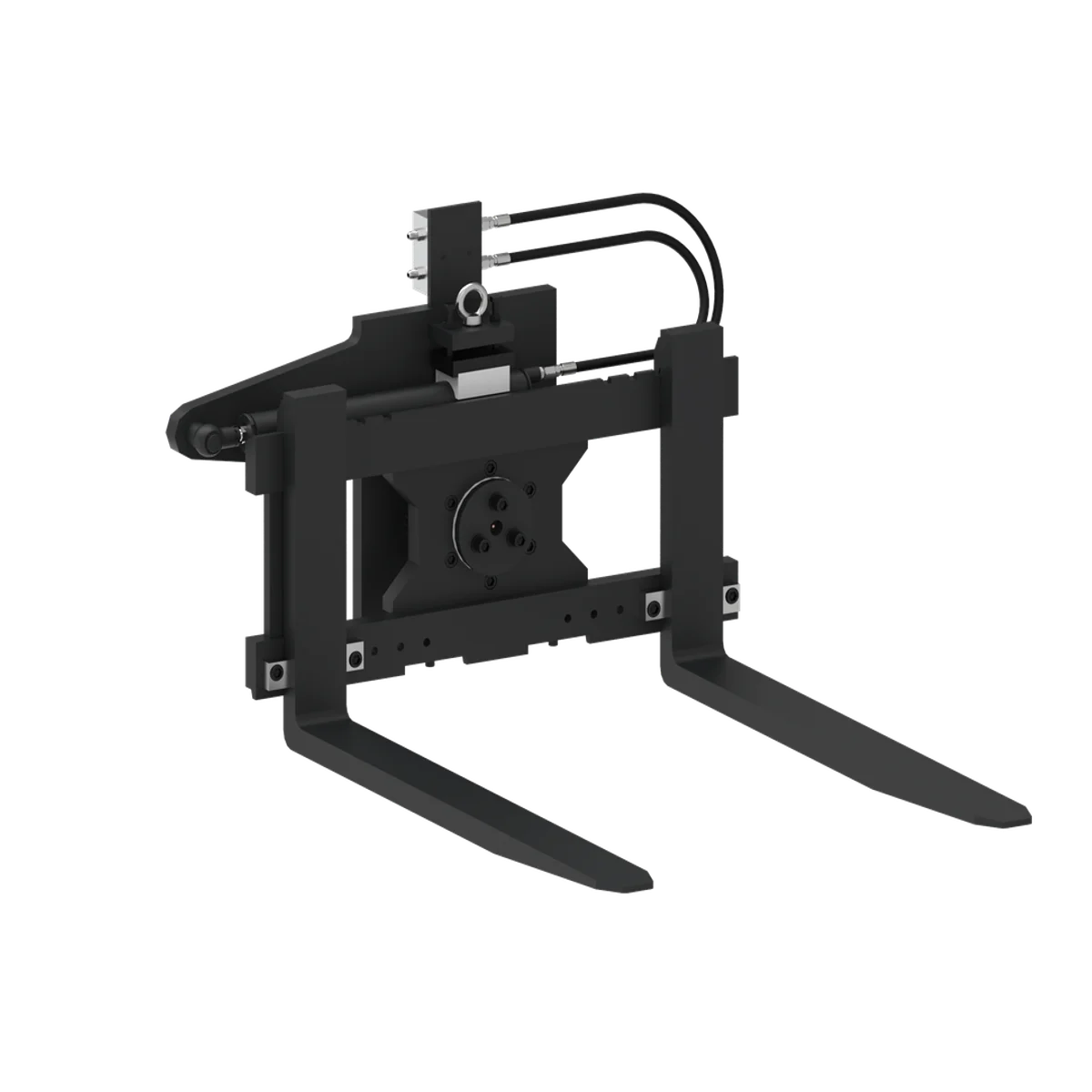
A standard fork carriage cannot pick up a slip sheet load, because there is no gap under the load for the forks to enter. The solution is a push-pull type slip sheet attachment, sometimes called a slip sheet handler. It combines a thin platen that slides under the load and a gripper bar that closes on the sheet tab, plus a push plate that discharges the load at the far end.
When you specify a forklift slip sheet attachment, three points drive the choice:
- Tab geometry. The gripper has to match the lip height and the number of tabs on the sheet. A single wide tab and four corner tabs are gripped differently.
- Load weight and centre of distance. A push-pull attachment moves the load forward of the carriage, so the truck's rated capacity falls. Always check the residual capacity with the attachment fitted, not the bare truck rating.
- Discharge direction. Push-pull units are built to push the load off the platen at the destination, which is what allows the sheet to stay with the load or be stripped and returned.
Mounting classes and hydraulic functions vary by truck, so the attachment has to be matched to the carriage class and to the valve sections available on the machine. WONTONNE supplies attachments for major forklift brands and supports the installation with technical documentation and spare parts.
Where Paper Roll Clamps Fit in Slip Sheet Operations
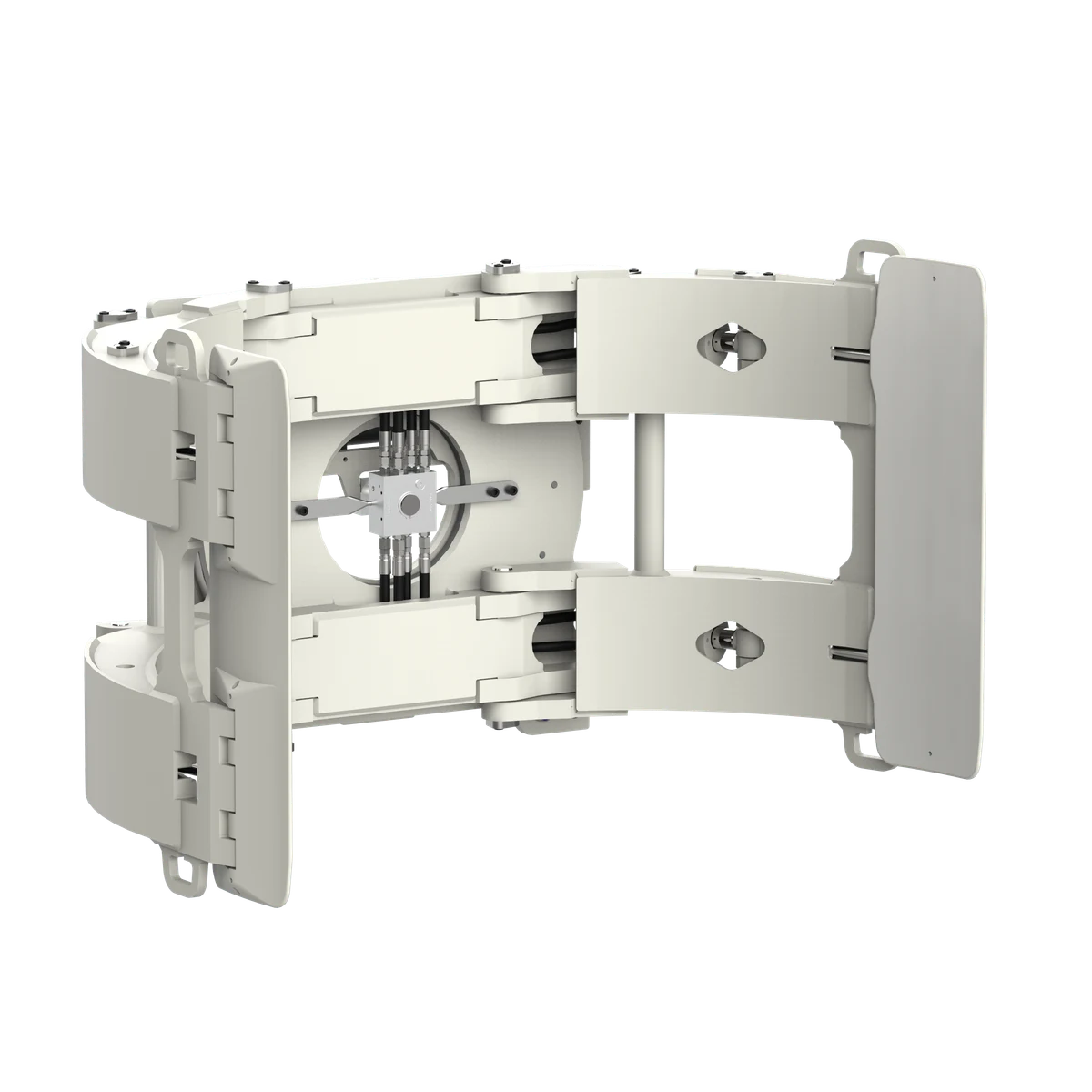
Not every load under discussion is a cube of cartons. In paper mills, printing plants and converting operations, the load is a roll, and the handling question is not how to pull a sheet but how to grip a cylinder without crushing it. That is the job of a paper roll clamp.
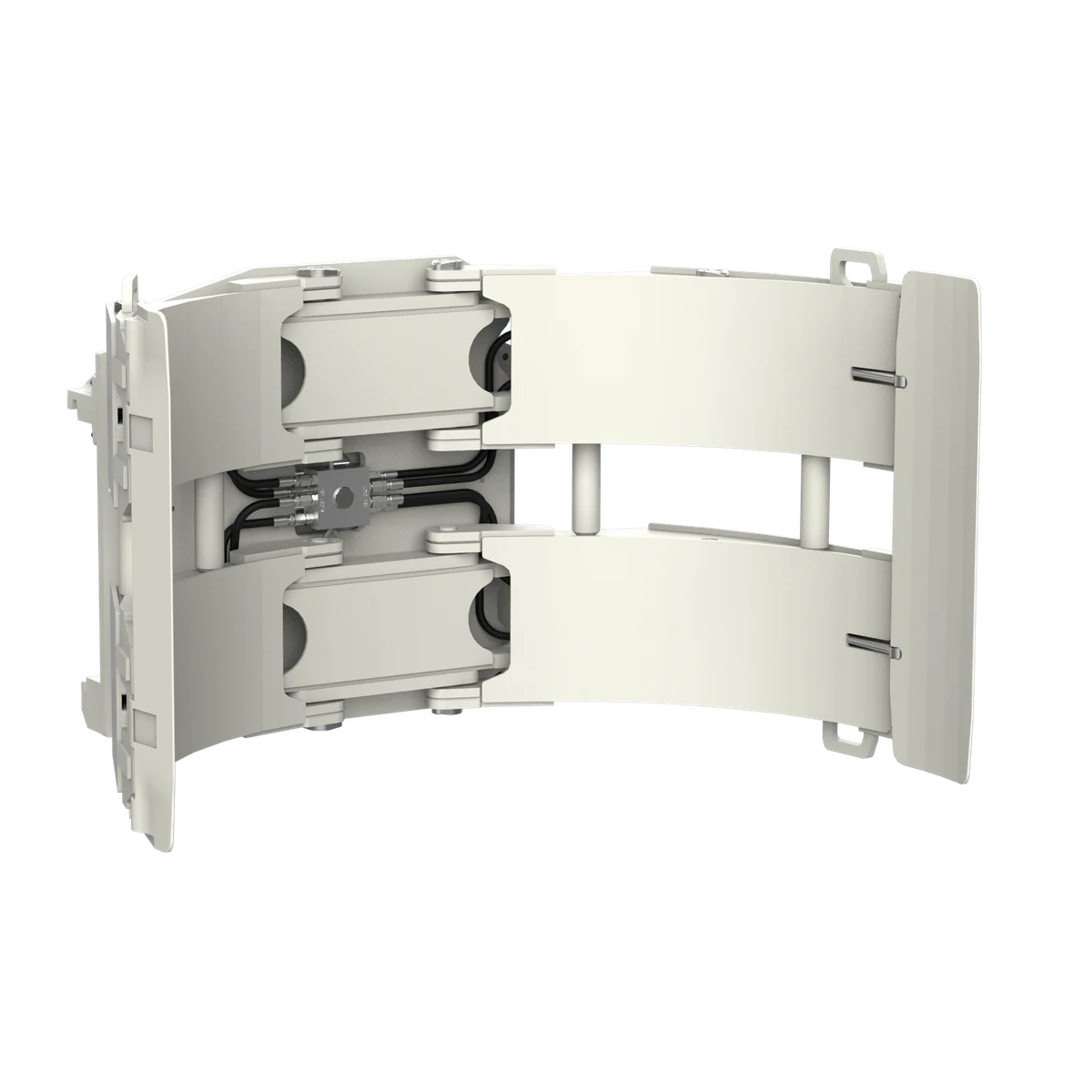
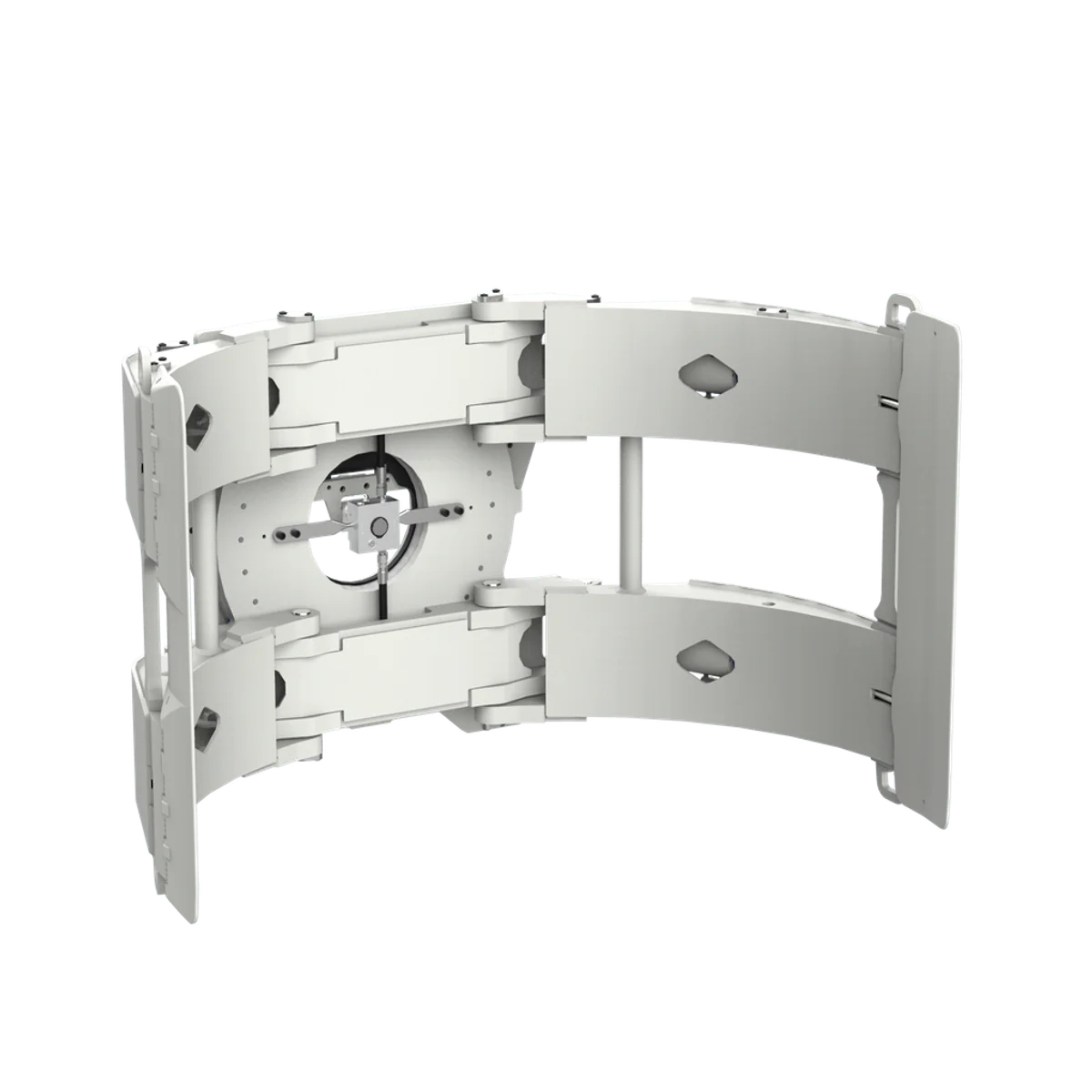
A roll clamp replaces the fork carriage and holds the roll between two arms, with 360° rotation for up and down ending. Models differ mainly in arm type, opening range and capacity:
- 12G Paper Roll Clamp — fixed arm, capacity up to 1200 kg, roll range from 350–1150 mm depending on the model.
- 15F Paper Roll Clamp — developed for medium and small diameter rolls such as newsprint, capacity up to 1300 kg.
- 20G Paper Roll Clamp (Fixed Short Arm) — fixed short arm, 360° rotation, excellent field of vision, capacity up to 2000 kg.
- 20G Paper Roll Clamp (Positioned Short Arm) — the short arm adjusts to roll width, capacity up to 2000 kg.
- 24G Paper Roll Clamp — a very common standard attachment that adapts to different paper roll conditions, capacity up to 2200 kg.
- 24G Paper Roll Clamp (Positioned Short Arm) — positionable short arm for varying roll widths, 360° continuous rotation, capacity up to 2200 kg.
- 30G Paper Roll Clamp — damage-free handling for paper mills, capacity up to 3000 kg.
- 33G Paper Roll Clamp — optimized clamp arm with thinner pad for knifing between rolls in containers and trailers, capacity up to 3500 kg.
Rolls and sheets often meet in the same building. A mill may ship rolls to a converter, which then places cut sheets or wrapped reams on slip sheets for export. The two handling methods share a requirement: the load interface has to be gripped, not scooped, and the equipment has to be matched to the load's dimensions rather than to the truck alone.
Quick comparison of handling interfaces
| Interface | Typical load | Attachment needed | Main consideration |
|---|---|---|---|
| Wooden or plastic pallet | Cartons, bags, drums | Standard forks | Pallet cost, weight and return logistics |
| Paper or corrugated slip sheet | Export cartons, layer pads | Push-pull / slip sheet handler | Single-trip life, moisture sensitivity |
| Plastic slip sheet | Closed-loop distribution | Push-pull / slip sheet handler | Return loop management, cleaning |
| Anti slip / non slip sheet | Tall or light unstable stacks | Push-pull / slip sheet handler | Friction on the load side |
| Paper roll | Newsprint, kraft, tissue | Paper roll clamp | Roll diameter range and clamp force |
Choosing Between Slip Sheets and Pallets
The decision usually comes down to where the load is going and what equipment exists at both ends. Slip sheets make the most sense when the receiving site has the right attachment and when freight cube or weight is the binding constraint. Pallets remain the better answer when the load is irregular, when the receiving dock has only standard forks, or when the load must be moved repeatedly by different trucks over its life.
A workable middle route is to keep the pallet for internal handling and switch to a slip sheet for the export leg, pulling the load from the pallet onto the sheet at the loading dock. That requires a push-pull attachment at the dock, but it preserves standard handling everywhere else.
Whichever route you take, check the residual capacity of the truck with the attachment fitted, confirm that the sheet tab matches the gripper, and train operators to pull the load onto the platen rather than lift it. Most slip sheet damage comes from technique, not from the sheet itself.
FAQ: Slip Sheet Handling Questions
Can a standard forklift use slip sheets without an attachment?
No. A slip sheet load has no gap underneath for forks to enter, so it needs a push-pull or slip sheet handler that grips the sheet tab and pulls the load onto a platen. Standard forks can only handle slip sheet loads if the load is already sitting on a pallet or on a stand.
Are plastic slip sheets better than paper or corrugated sheets?
It depends on the trip count. Plastic slip sheets for pallets are reusable, moisture resistant and washable, which suits closed-loop systems. Paper, cardboard and corrugated slip sheets are cheaper per unit and recyclable, which suits one-way export loads. Anti slip and non slip sheets are specified separately when load friction is the problem, regardless of the base material.
How do paper roll clamps relate to slip sheet handling?
They handle a different load shape. A paper roll clamp grips a cylindrical roll between two arms with 360° rotation, while a slip sheet attachment pulls a flat loaded sheet onto a platen. Operations that handle both rolls and sheeted or wrapped product need both types of attachment, matched to the same truck's carriage class and hydraulic capacity.
Next Step
If you are weighing slip sheets against pallets, or adding roll handling alongside an existing push-pull operation, the specification work is the same: load dimensions, load weight, tab or roll geometry, and the residual capacity of the truck once the attachment is fitted. WONTONNE has more than 20 years of experience building forklift attachments for paper, printing, packaging and export operations. Review the full range on our forklift attachments page, or send your load details through the contact form and our team will recommend a configuration for your trucks.