
A chemical drum is only as safe as the way it is moved. Whether you are receiving a pallet of blue chemical drums at a plant gate, staging a 200 litre chemical drum for filling, or lifting a 55 gallon chemical drum onto a rack, the interface between the forklift and the drum decides whether the load arrives intact. WONTONNE has built drum clamps and drum lifters for more than 20 years, and this guide explains how to match chemical drum handling equipment to the drums you actually store and ship.
What Counts as a Chemical Drum in Plant Practice
In day-to-day logistics, "chemical drum" covers a family of containers rather than one product. The common sizes are 5, 15, 30 and 55 gallons, with the 55 gallon chemical drum — roughly 205 litres, often called a 200l chemical drum — as the de facto industry standard. Smaller units such as a 20l chemical drum or a 15 gallon chemical drum are usually handled by hand or on a pallet, while the 200 litre chemical drum is where mechanical handling starts to pay for itself.
Material choice matters just as much as size. A steel drum with a rolling hoop behaves very differently under a clamp than a plastic chemical drum with a smooth wall. Steel drums tolerate high clamp force and resist deformation. Plastic drums, including the familiar blue chemical drums used for many aqueous and non-hazardous products, need a gentler contact surface and a clamp that distributes pressure across a wider area. Fiber drums sit at the fragile end of the range and generally should not be gripped with the same force as steel.
Why the Drum Body, Not the Label, Drives Attachment Choice
Two drums can carry identical UN markings and still need different handling. A tight-head steel drum presents a rigid cylinder with a chime and rolling hoops; a plastic drum may flex slightly under load and recover. Before selecting a clamp, confirm the drum diameter, the presence of rolling hoops, whether the drum is full or empty, and whether the contents are hazardous. Empty chemical drums are lighter but not automatically easier — a dented or previously dropped drum can lose the roundness a clamp relies on.
Matching Drum Clamps and Lifters to the Job
WONTONNE's range splits into two working principles: mechanical clamps that grip the drum body or hoop, and hydraulic clamps that add side shifting, revolving or tipping functions. The right choice depends on throughput, stacking height and whether the drum needs to be poured.
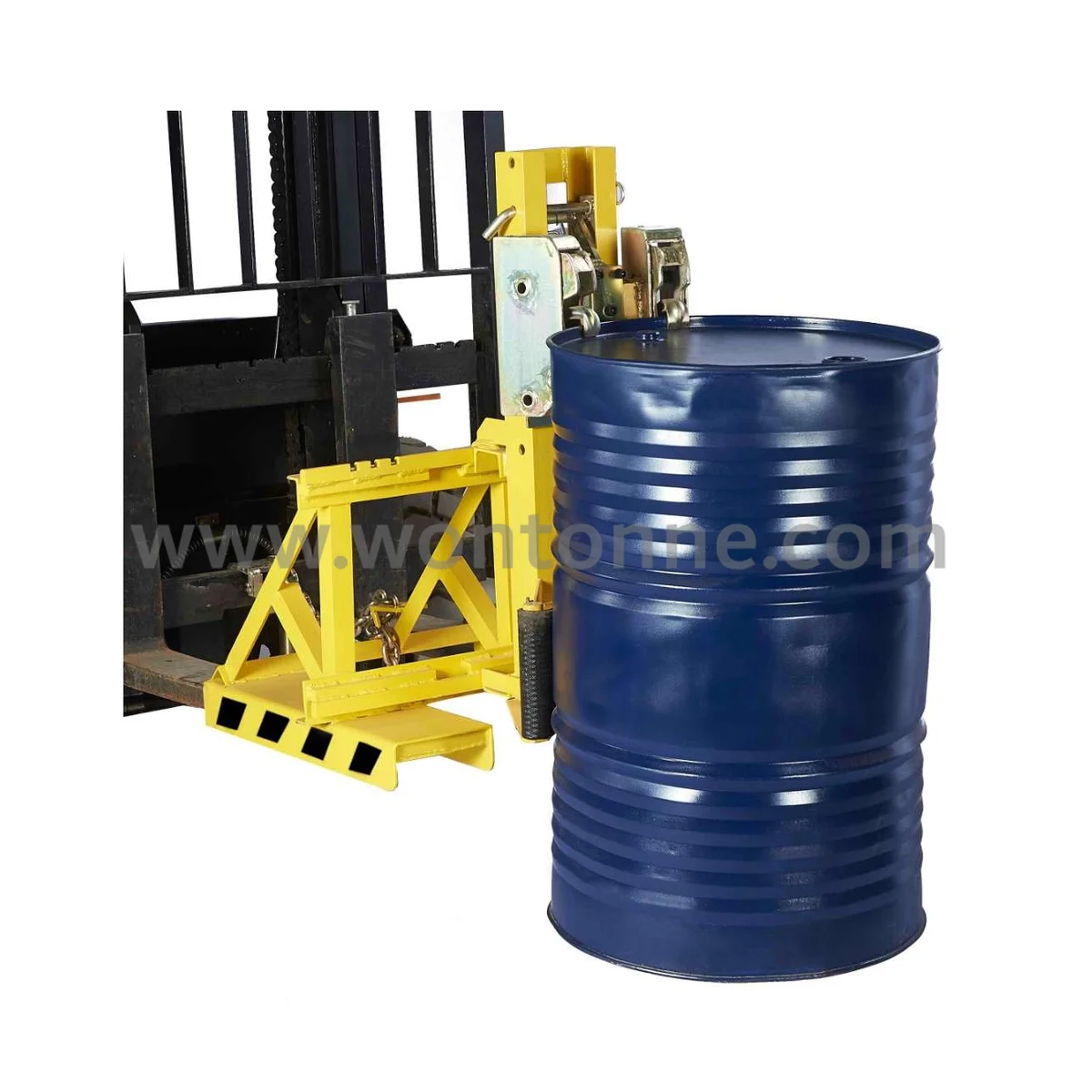
- Single-drum, low-volume handling: the DL Series Mechanical Drum Clamp is built for standard 205L drums with fully automatic clamping action, so the operator stays seated and releases the drum simply by lowering and reversing.
- Heavy or uneven ground: the HDL Series Mechanical Drum Clamp uses a double chuck design for plastic and steel drums, with rubber contact surfaces and a heavy-duty structure rated up to 3600 kg across its model range.
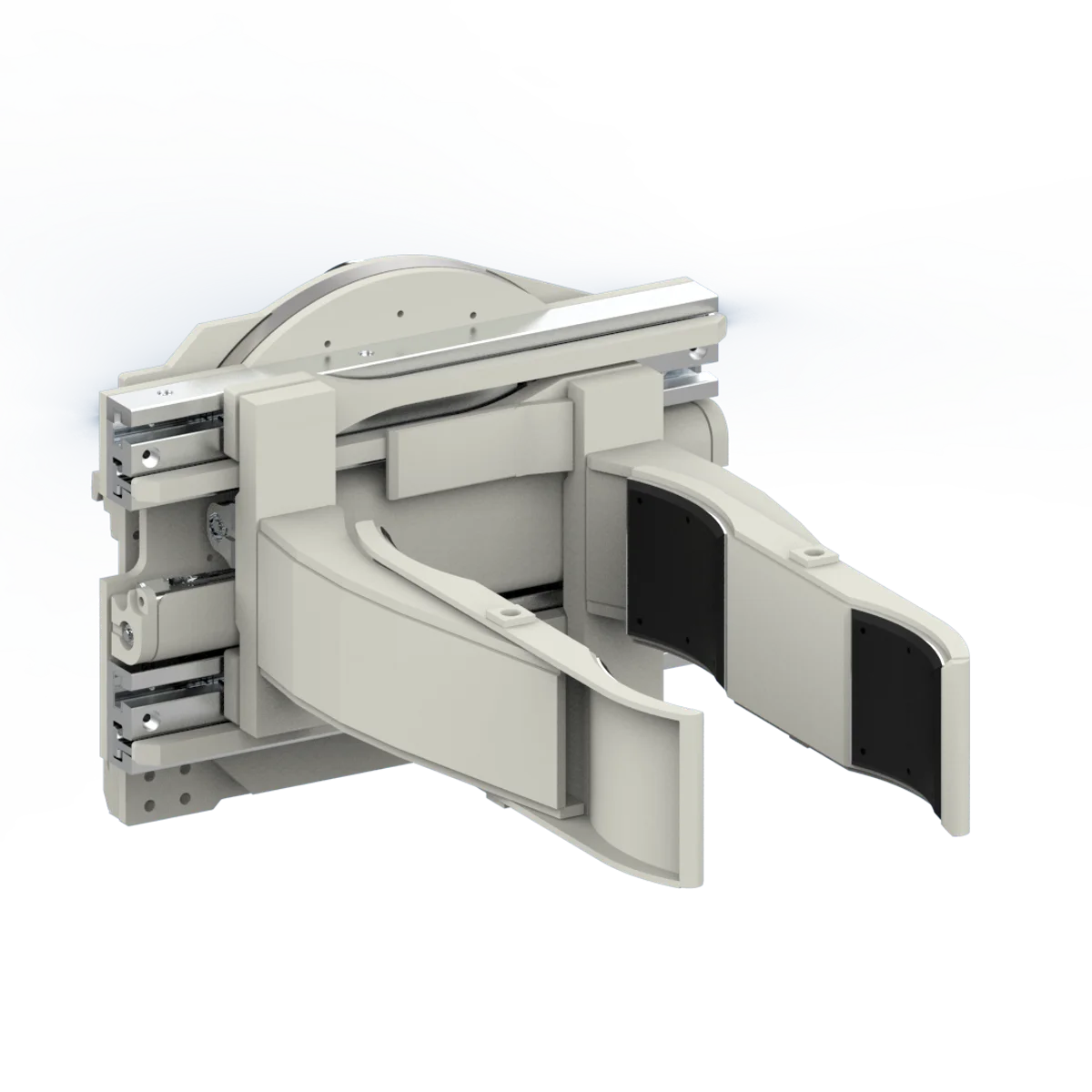
- Two-drum throughput with stacking: the 2 Drum Clamp (Side Shifting / Revolving) carries two drums without pallets and revolves them for stacking, with capacity up to 1900 kg.
- Tall or narrow drums: the 2 Drum Clamp Heightening Type raises the arm height so the clamp engages the drum body rather than the lid area.
- High-volume logistics: the 4 Drum Clamp (Side Shifting / Revolving) and its heightening variant move four drums per trip, with capacity up to 1600 kg.
- Decanting and dispensing: the Drum Clamp (Tipping Type) mounts on existing forks and provides up to 90° hydraulic tilt for controlled pouring, with capacity up to 1000 kg.
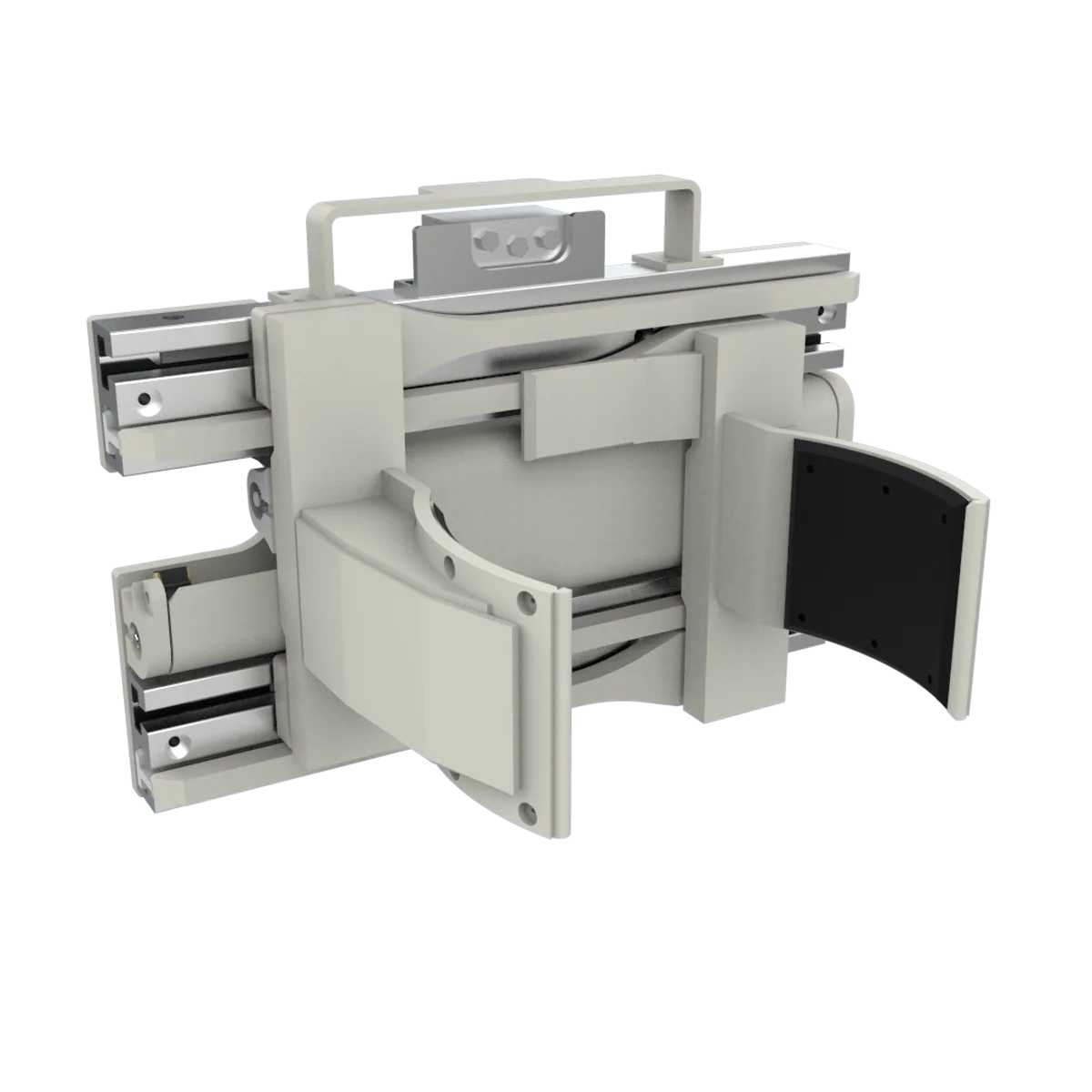
Chemical Drum Handling Equipment: Specification Comparison
The table below summarises the WONTONNE drum handling range so you can shortlist before requesting a quotation. Capacities are the maximum figures published for each series; always confirm the actual load against your drum weight and load centre.
| Attachment | Drums per trip | Max capacity | Key function | Typical use |
|---|---|---|---|---|
| DL Series Mechanical Drum Clamp | 1 | 1000 kg | Automatic clamping, grips around rolling hoop | Standard 205L drums, single-drum transfer |
| HDL Series Mechanical Drum Clamp | 1 | 3600 kg | Double chuck, rubber contact surface | Plastic and steel drums, uneven ground |
| 2 Drum Clamp (Side Shifting / Revolving) | 2 | 1900 kg | Side shift plus revolve for stacking | Oil, petrochemical, food plants |
| 2 Drum Clamp Heightening Type | 2 | 1900 kg | Higher arms, side shift and revolve | Tall drums, chemical industry |
| 4 Drum Clamp (Side Shifting / Revolving) | 4 | 1600 kg | Four-drum handling without pallets | High-volume drum logistics |
| 4 Drum Clamp Heightening Type | 4 | 1600 kg | Higher arms, side shift and revolve | Tall drum fleets, chemical storage |
| Drum Clamp (Tipping Type) | 1 | 1000 kg | Up to 90° hydraulic tilt | Controlled pouring and decanting |
Choosing Between Steel and Plastic Chemical Drums
Steel and plastic drums are not interchangeable on the same clamp setting. A steel 55 gallon chemical drum can take a firm grip because the wall resists deformation. A plastic chemical drum of similar diameter may deflect under the same force, and a clamp that bites too hard can score the wall or crack it over repeated handling.
WONTONNE addresses this in two ways. First, the HDL Series uses a double chuck design with a rubber contact surface, which spreads load and reduces friction damage. Second, the side-shifting and revolving clamps use rubber-vulcanized clamp arms for the same reason. If your fleet mixes steel and plastic drums, plan for a clamp that can be adjusted or a dedicated unit for each drum type rather than pushing one setting to cover both.
Empty Drums, Reuse and Cleaning
Empty chemical drums are a recurring handling problem because they are light, often out of round, and frequently stored outdoors where they collect water. Light drums can shift inside a clamp if the grip is set for a full drum, so operators should confirm the clamp has seated before lifting. If you are reusing chemical drums, inspect the chime, rolling hoops and wall for dents before they go back into service — a drum that no longer rolls true is a poor candidate for clamp handling.
Cleaning is part of the same workflow. A chemical drum washer is typically a separate piece of equipment from the forklift attachment, but the two processes connect: drums that are washed and re-labelled need to be moved to and from the wash station, and that movement is usually done with a drum clamp or lifter rather than by hand. Keeping the handling attachment and the wash area on the same route reduces manual lifting and the injury risk that comes with it.
Safety and Cost Considerations Before You Buy
Chemical drum price is only one line in the total cost of ownership. The attachment, the forklift capacity, the racking and the labour to move each drum all contribute. A 4-drum clamp that moves four drums per trip changes the labour equation compared with a single-drum lifter, but it also requires a forklift with enough residual capacity at the relevant load centre.
Three checks should precede any purchase:
- Load centre and residual capacity. A clamp adds weight ahead of the carriage. Confirm the forklift can still lift the drum load at the required height.
- Drum condition. Clamps rely on a reasonably cylindrical drum. Damaged drums should be handled with a different method or replaced.
- Mounting class. WONTONNE drum clamps are compatible with major forklift brands; confirm the mounting class on your truck before ordering.
For a broader view of how drum attachments fit alongside other material handling equipment, see all forklift attachments.
FAQ: Chemical Drum Handling
Can one drum clamp handle both steel and plastic chemical drums?
In many cases yes, provided the clamp is designed for both. The WONTONNE HDL Series Mechanical Drum Clamp is specified for plastic and steel drums and uses a rubber contact surface to reduce friction damage. However, clamp force and arm setting still need to suit the drum in front of you, so mixed fleets should be reviewed drum by drum rather than assumed to be uniform.
What is the standard size of a chemical drum?
The 55 gallon chemical drum, approximately 205 litres and often referred to as a 200 litre chemical drum or 200l chemical drum, is the industry standard for bulk chemical storage and transport. Smaller sizes such as the 15 gallon chemical drum and the 20l chemical drum are also common, but they are usually handled manually or on pallets rather than with a forklift drum clamp.
How do I move empty chemical drums safely?
Empty chemical drums are lighter and can shift inside a clamp if the grip is set for a full drum. Confirm the clamp has seated on the drum body or rolling hoop before lifting, inspect for dents or deformation, and avoid lifting drums that no longer roll true. If the drums are being cleaned for reusing chemical drums, keep the wash station and the handling route close together to minimise manual lifting.
Next Step
If you are specifying chemical drum handling equipment for a plant, warehouse or tank farm, send WONTONNE your drum type, diameter, weight and forklift mounting class. We will recommend the drum clamp or lifter that matches your throughput and stacking requirements, and confirm capacity against your actual load centre. Contact WONTONNE to start the specification.