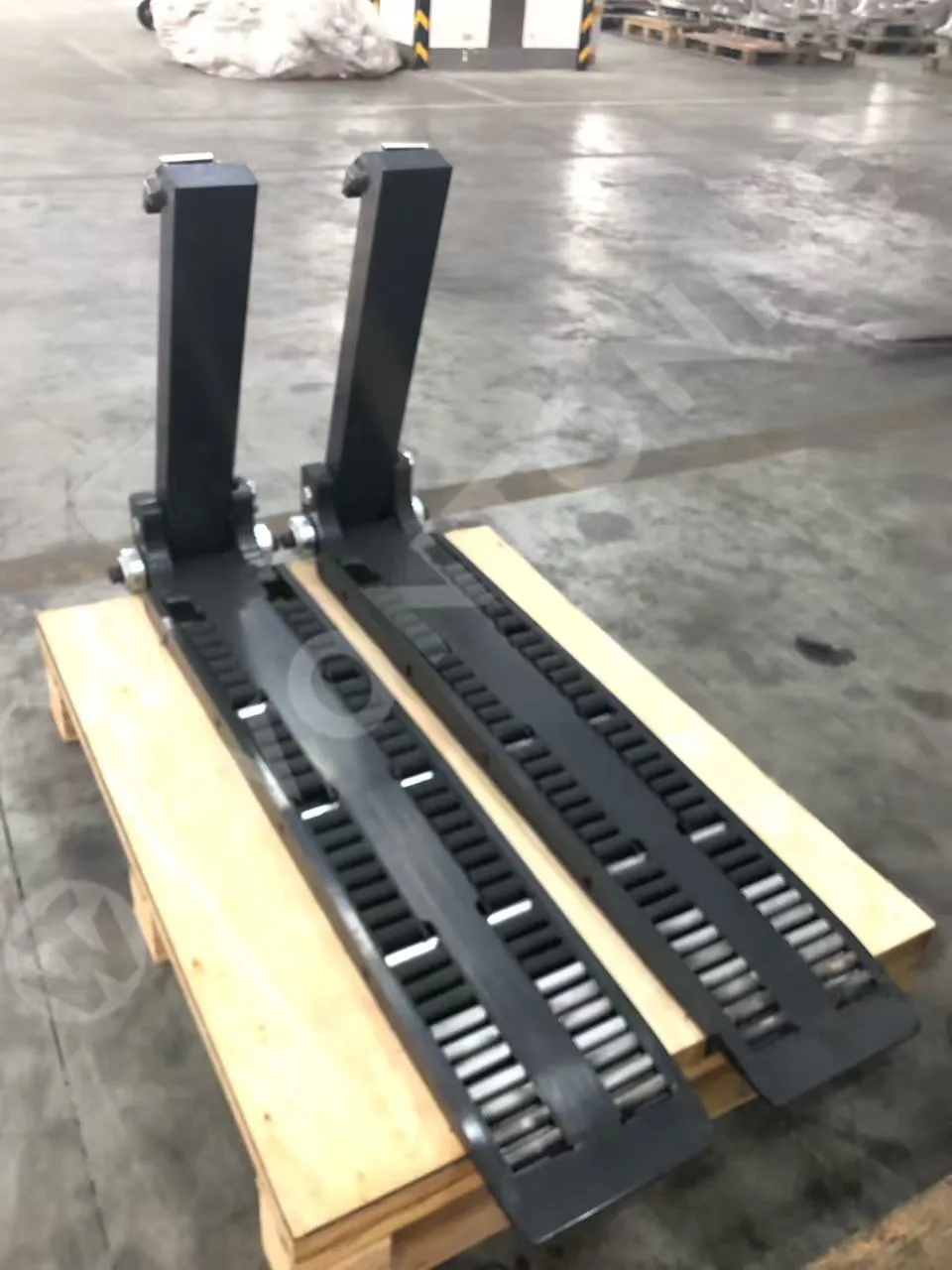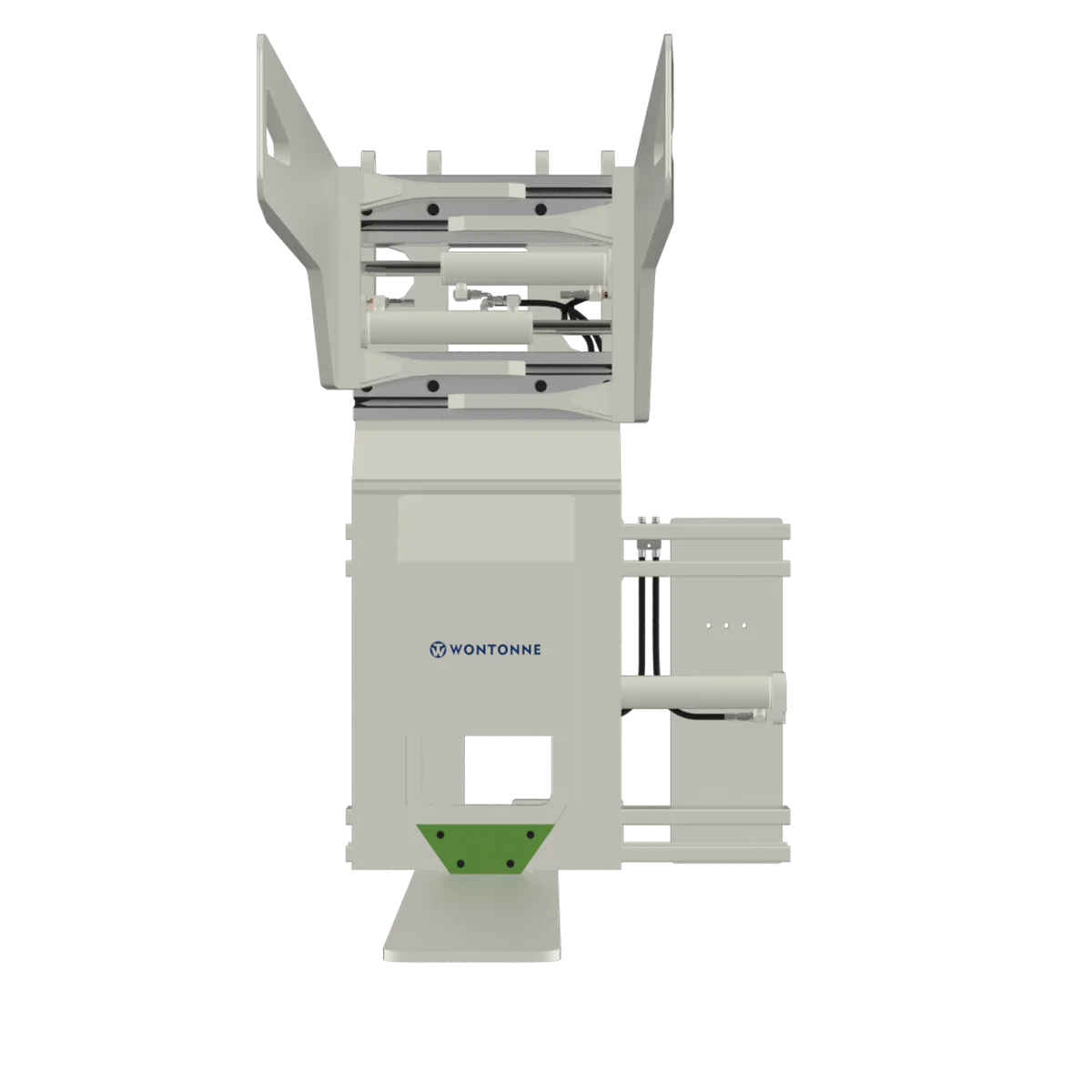

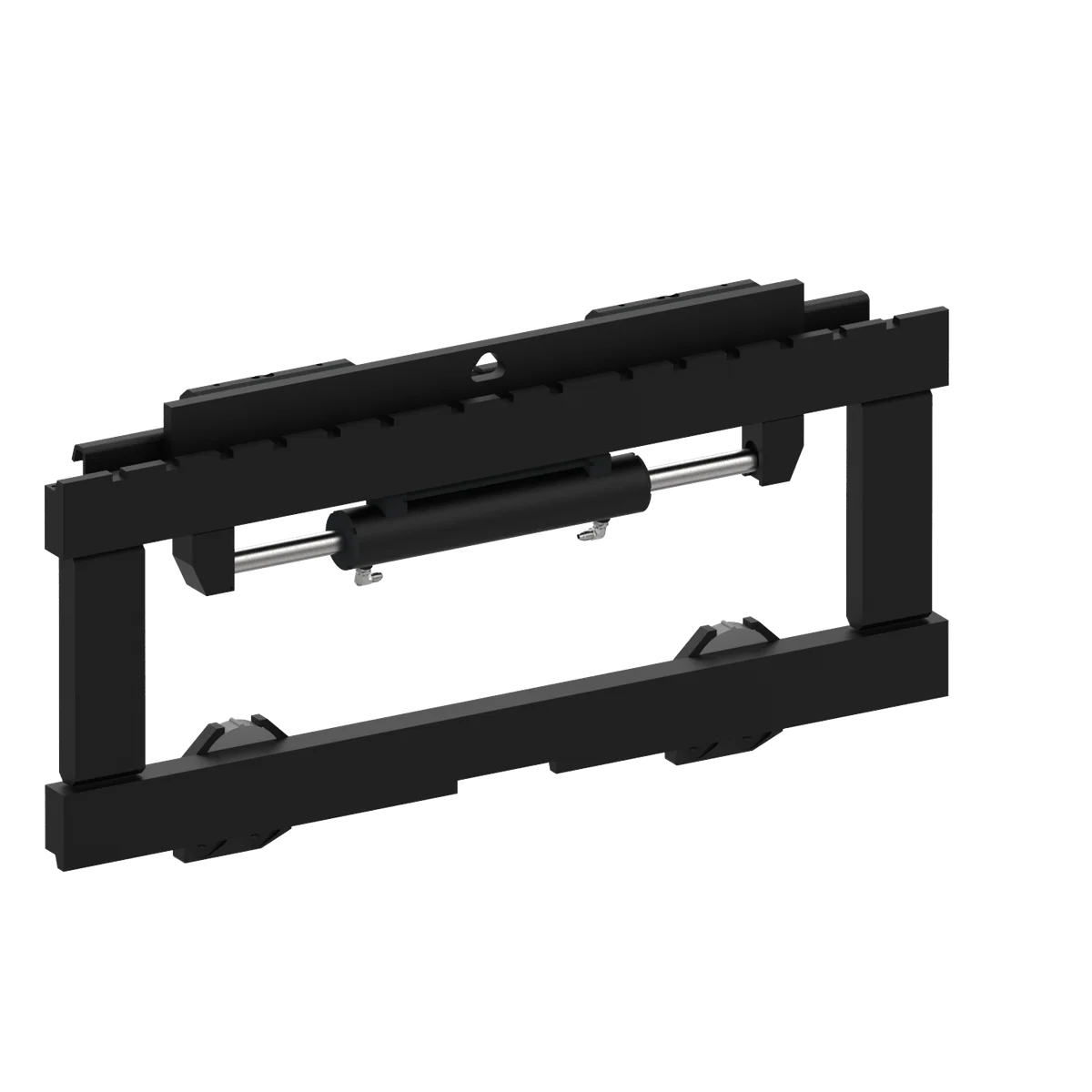
A cascade side shifter is a hydraulic forklift attachment that moves the forks laterally—typically 100 or 150 mm to each side—so operators can align loads without repositioning the truck. This lateral movement speeds up pallet handling, reduces truck maneuvering, and improves stacking accuracy in tight aisles, racking, and trailer loading. Whether you are specifying a new attachment, replacing worn components, or integrating side shift with fork positioning, understanding the key selection factors ensures efficient and reliable operation.
What a Cascade Side Shifter Does and Why It Matters
Side shifters are the most common forklift attachment because they solve a universal problem: the truck cannot always be perfectly aligned with the load or the rack opening. By shifting the forks left or right, the operator can pick up and place loads accurately without jockeying the truck back and forth. This reduces cycle times, lowers the risk of damage to products, pallets, and racking, and makes better use of available warehouse space by encouraging neat, aligned stacks.
WONTONNE offers several series of side shifters to match different truck classes and duty cycles. The D Series Sideshifters provide robust performance with capacities up to 6800 kg, making them suitable for heavy-duty applications. The E Series Sideshifters are designed for general warehouse use with capacities up to 5000 kg, while the F Series Sideshifters offer a cost-effective solution for lighter applications up to 3500 kg.
Key Selection Criteria for Cascade Side Shifters
Choosing the right side shifter involves more than matching the truck class. Consider these factors to ensure optimal performance and safety:
- Capacity and load center: The attachment’s rated capacity must exceed the actual load weight, accounting for the load center. Remember that adding an attachment reduces the truck’s residual capacity.
- Shift range: Standard side shifters move the forks 100 or 150 mm to each side. Confirm that this range meets your stacking and alignment needs.
- Mounting class: The side shifter must match the truck’s carriage class (e.g., ISO 2A, 3A, 4A) for proper fit and safe operation.
- Hydraulic requirements: Check the truck’s hydraulic system pressure and flow. The side shift cylinder must be compatible with the truck’s hydraulics.
- Visibility and thickness: The attachment’s effective thickness affects residual capacity and visibility. Lower thickness generally preserves more capacity.
Comparing WONTONNE Side Shifter Series
The table below summarizes the main specifications of WONTONNE side shifter series to help you compare at a glance.
| Series | Capacity (kg) | Load Center (mm) | Mounting Class | Effective Thickness (mm) | Typical Applications |
|---|---|---|---|---|---|
| D Series | Up to 6800 | 600 | ISO 4A | 84 | Heavy-duty, construction, lumber |
| E Series | Up to 5000 | 600 | ISO 3A | 75 | General warehouse, distribution |
| F Series | Up to 3500 | 600 | ISO 2A | 62 | Light logistics, retail |
| Triple Sideshifter | Up to 3200 | 500 | ISO 3A | 128 | Handling three pallets side by side |
For operations that require both fork positioning and side shift, the G Series Fork Positioner combines both functions in one attachment, allowing the operator to adjust fork spacing and then shift the pair laterally. This is ideal for handling pallets of varying sizes. The K Series Fork Positioner offers hydraulic fork adjustment without side shift, suitable for applications where side shift is not needed.
Hydraulic Cylinder and Wear Parts: Maintenance Essentials
The cascade forklift side shift cylinder is the heart of the attachment. It converts hydraulic pressure into lateral force, and its reliability depends on proper hydraulic pressure and clean fluid. Regular inspection for leaks, seal wear, and rod condition is essential. WONTONNE supplies compatible cylinders and seal kits for all our side shifter series.
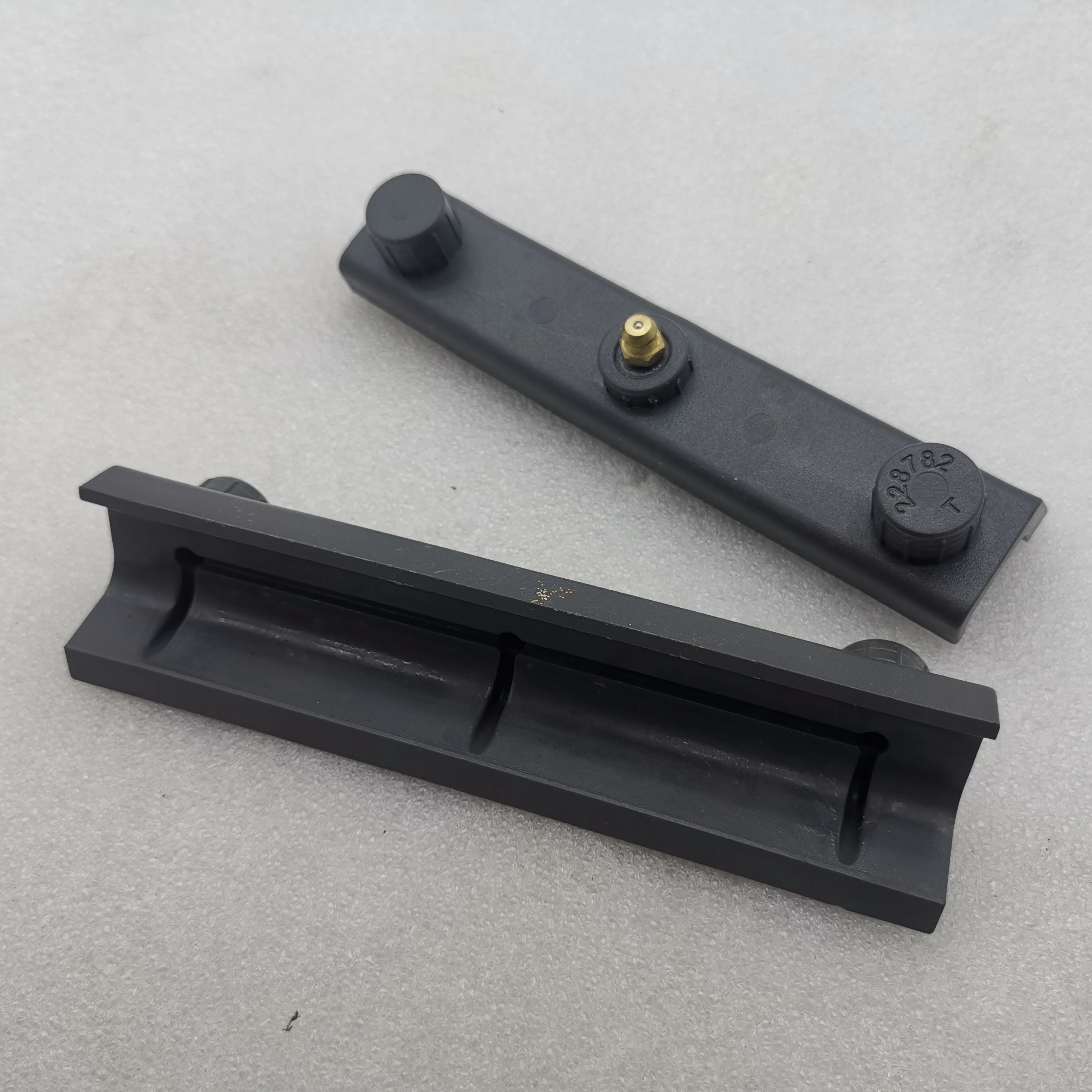
Equally important are the cascade side shift wear pads—also called bearings or sliders. These components sit between the moving fork carriage and the fixed frame, ensuring smooth lateral movement and reducing metal-to-metal wear. Over time, wear pads can degrade, leading to increased play, misalignment, and potential damage. Replacing them promptly restores precision and extends the attachment’s life. WONTONNE offers Bearing wear parts designed for side shifters and fork positioners, ensuring a proper fit and reliable performance.
Maintenance checklist
- Inspect wear pads for wear or cracking every 500 operating hours.
- Check hydraulic hoses and fittings for leaks or abrasion.
- Verify cylinder rod for scoring or corrosion.
- Lubricate pivot points as recommended.
- Ensure mounting hooks and carriage are free from cracks or deformation.
Integrating Side Shift with Fork Positioning
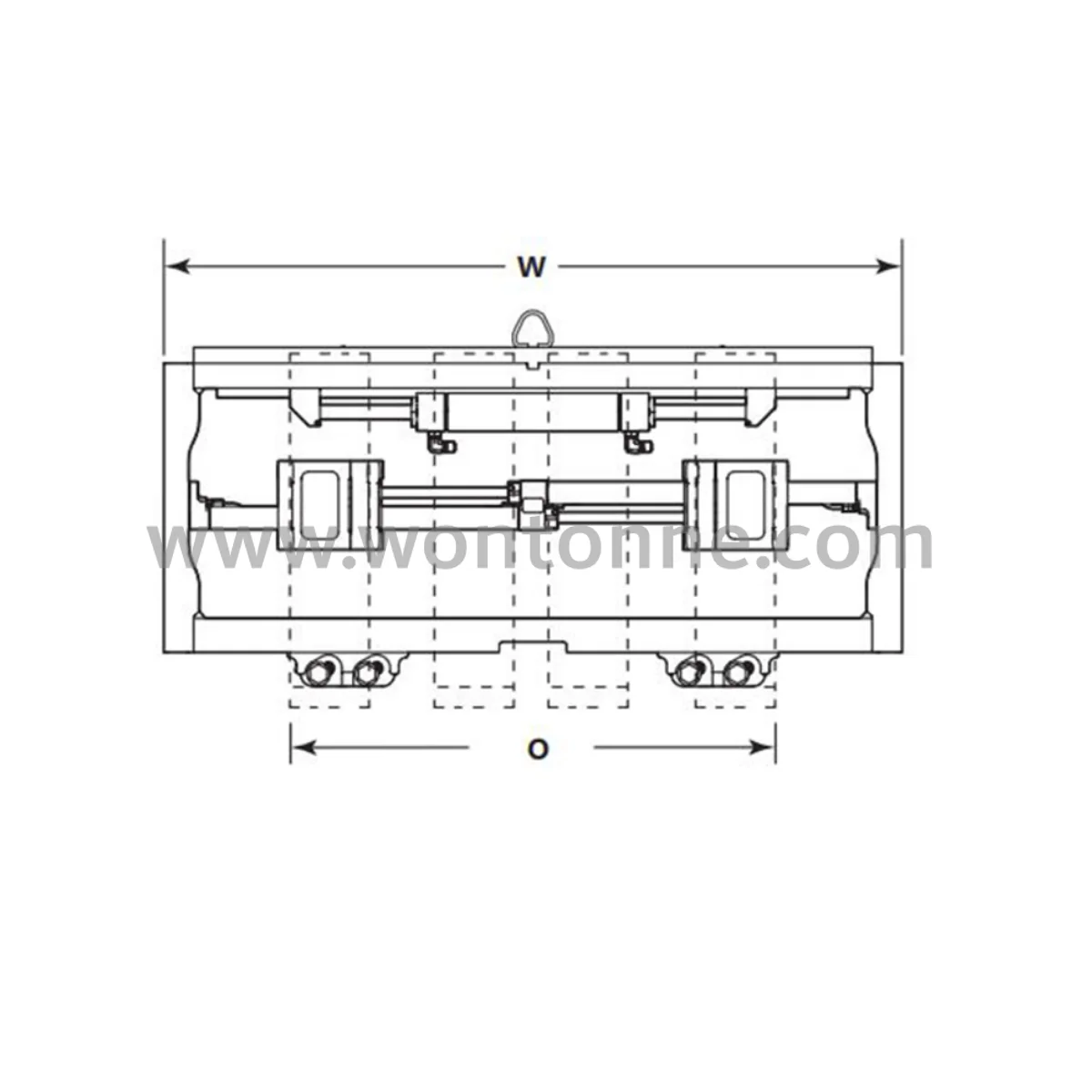
A cascade side shift fork positioner combines two functions: adjusting fork spacing and shifting the forks laterally. This integration is valuable when handling pallets of different widths and needing precise alignment. The G Series Fork Positioner from WONTONNE offers capacities up to 3000 kg and fork ranges from 285 to 1015 mm, with integrated side shift. The K Series Fork Positioner provides similar fork adjustment but without side shift, for applications where lateral movement is not required.
When specifying a combined attachment, consider the added weight and thickness, which affect residual capacity. Also ensure the truck’s hydraulic system can support the additional functions—typically requiring an extra valve section and hydraulic lines.
Frequently Asked Questions
What is the difference between a side shifter and a fork positioner?
A side shifter moves the forks laterally as a pair, while a fork positioner adjusts the distance between the forks. Some attachments, like the G Series, combine both functions.
How often should I replace the wear pads on a cascade side shifter?
Inspect wear pads every 500 hours and replace them when wear exceeds the manufacturer’s recommended limit or when you notice increased play or misalignment.
Can I use a cascade side shifter with any forklift brand?
WONTONNE side shifters are compatible with major forklift brands, provided the mounting class and hydraulic requirements match. Always verify the truck’s carriage class and hydraulic capacity.
Get the Right Side Shifter for Your Operation
Selecting the correct cascade side shifter involves matching capacity, shift range, and mounting class to your specific needs. With WONTONNE’s range of side shifters, fork positioners, and genuine wear parts, you can improve handling efficiency and reduce downtime. Explore our All forklift attachments or Contact WONTONNE for expert advice and a tailored quote.