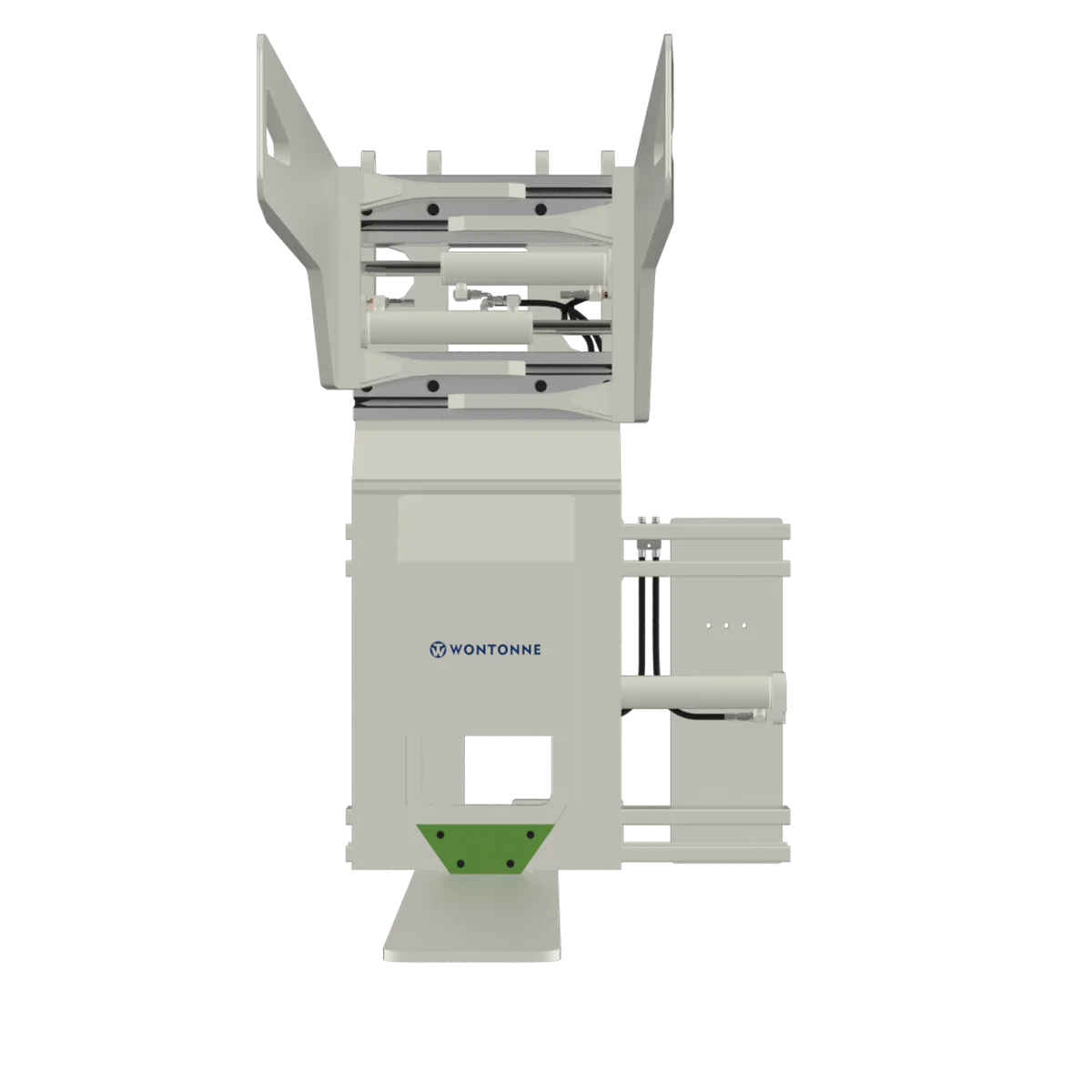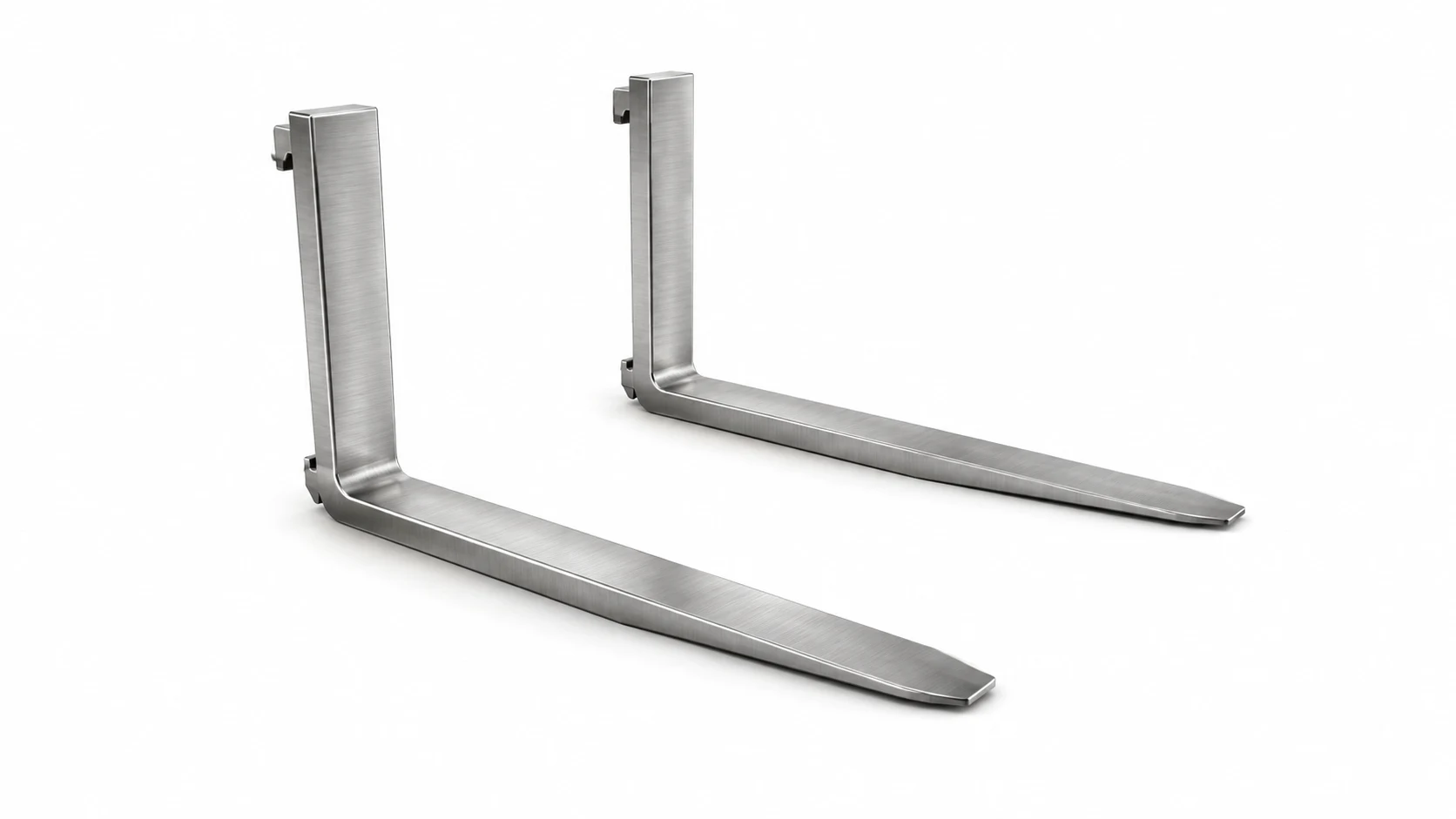

Roller forks, also known as wheel forks, are mechanical attachments that reduce costs through pallet-less handling. Using an internal rolling mechanism, they swiftly load and unload pallets and slip-sheets, and because they hang on standard lift truck carriages, they are lighter and more cost-effective than push-pull attachments for certain applications. If you are evaluating roller forks for sale, understanding how the rolling mechanism engages and retracts will help you match the attachment to your loads, your truck, and your floor conditions.
What Are Roller Forks and How Do They Work?
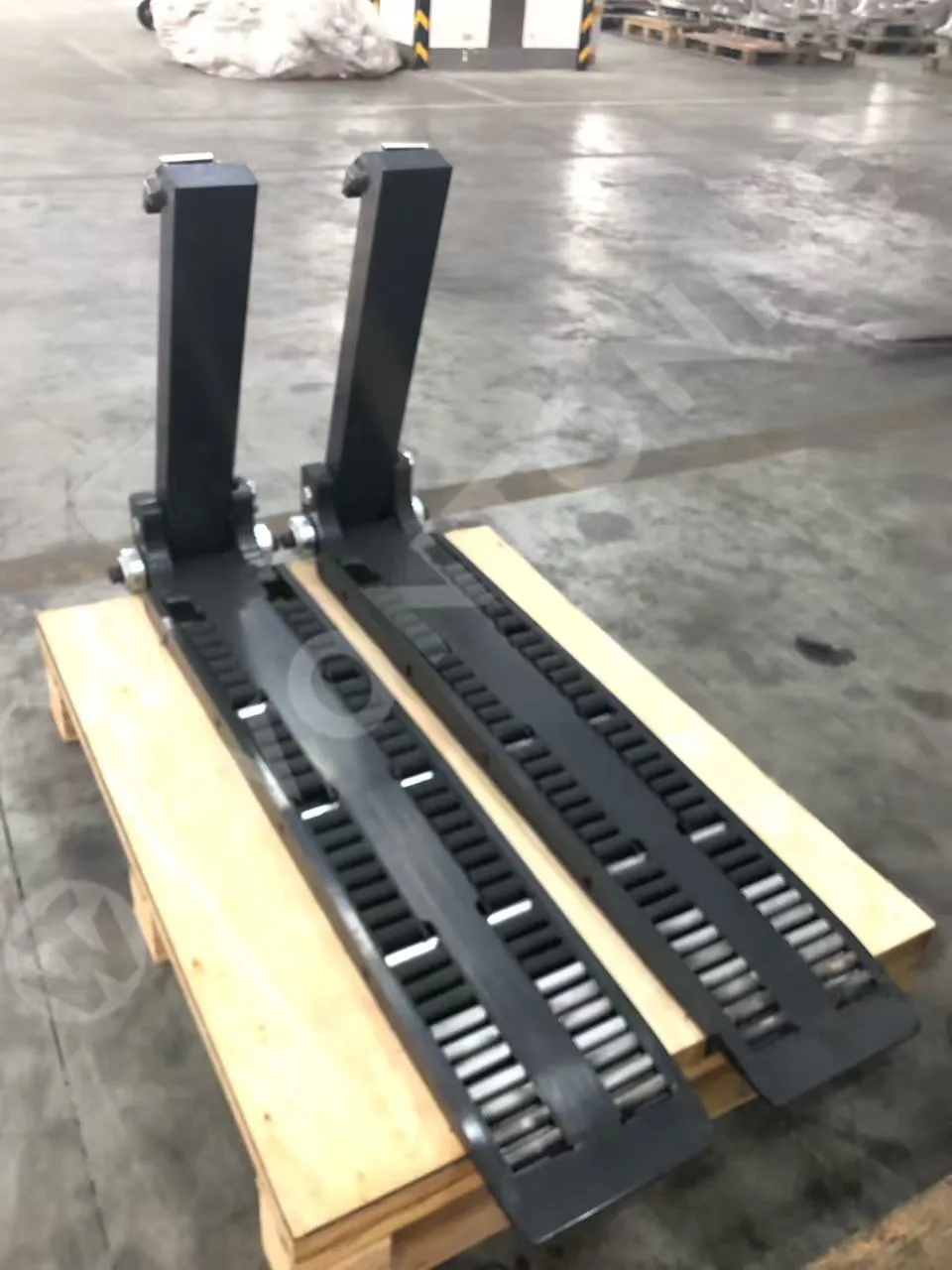
Roller forks are fork sleeves or replacement forks fitted with a deck of conveyor rollers. When the forks contact a suitable floor surface, two layers of internal rollers engage. As the forklift moves forward, the rollers help draw the load onto the forks. When the forks are lifted, the rollers retract to provide a supporting surface for transport. During unloading, the rollers engage again so the load can be pushed off smoothly.
This retractable rolling mechanism is what separates roller forks from standard forks or push-pull attachments. There is no gripper function and no need to pull the load onto the forks, so loading and unloading are faster than with a push-pull system in many slip-sheet applications. The design is particularly effective for handling slipsheeted goods placed directly on the floor, as is often the case with 40-foot containers.
Key design features
- Also called wheel forks
- Reduces costs through pallet-less handling
- Roller surface for easy load movement
- Suitable for heavy cylindrical loads
- 2A and 3A mounting classes
- Various lengths available
- Capacity up to 2000kg
WONTONNE roller forks are compatible with major forklift brands and are backed by comprehensive after-sales service, including technical support and spare parts.
Where Roller Forks Pay Off: Applications and Industries
Roller forks are used in specialized cargo handling environments where smooth pallet transfer and efficient loading are essential. Typical applications include:
- Air cargo terminals — handling aircraft pallets and containers fed from roller beds or conveyors.
- Freight forwarders and logistics hubs — moving slip-sheeted cartons and bundles without pallets.
- Military logistics — rapid loading and unloading in field or depot conditions.
- Warehousing and distribution — handling intermediate bulk containers, corrugated bundles, and single-stacked loads placed directly on the floor.
Because roller forks eliminate or reduce pallet use in favor of slip-sheets, cartons, and other pallet-less formats, they can lower handling costs across the supply chain. They are ideal for handling single-stacked loads and for operations where floor space and turnaround time matter more than pallet circulation.
Roller Forks vs. Other Fork Options: A Quick Comparison
Choosing between roller forks, standard forks, fork extensions, and telescopic forks depends on your load type, handling method, and truck capacity. The table below summarizes the main differences.
| Attachment type | Primary use | Handling method | Typical capacity |
|---|---|---|---|
| Roller forks | Pallet-less and slip-sheet loads | Internal rollers draw load on and off | Up to 2000kg |
| Standard forks | Palletized loads | Lift and carry | Varies by truck |
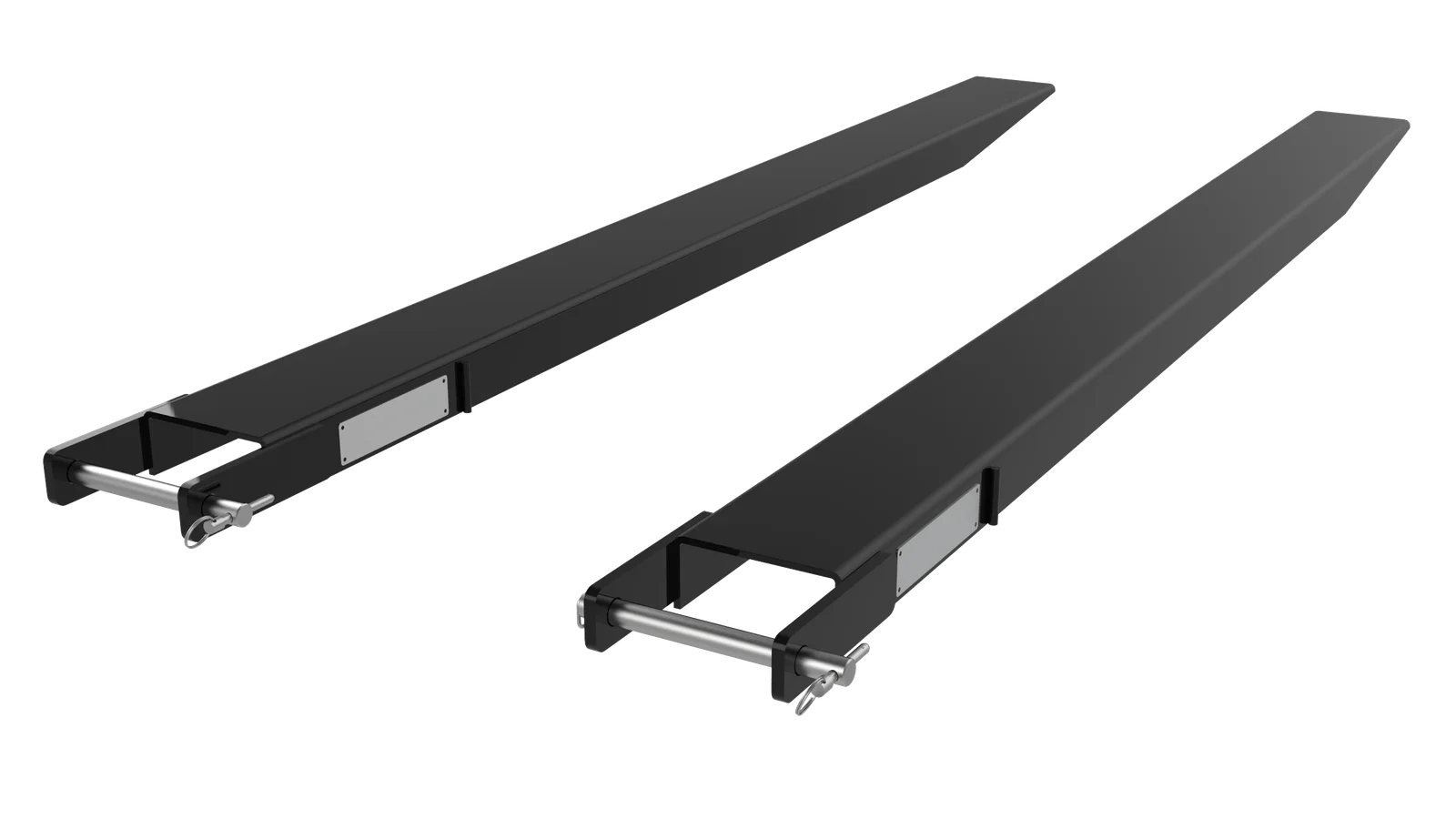
| Fork extensions | Long or large objects | Slip over existing forks for extra support | Rated to 8500kg |
| Telescopic forks | Double-deep racking and truck loading | Hydraulic extension increases reach | Up to 2500kg |
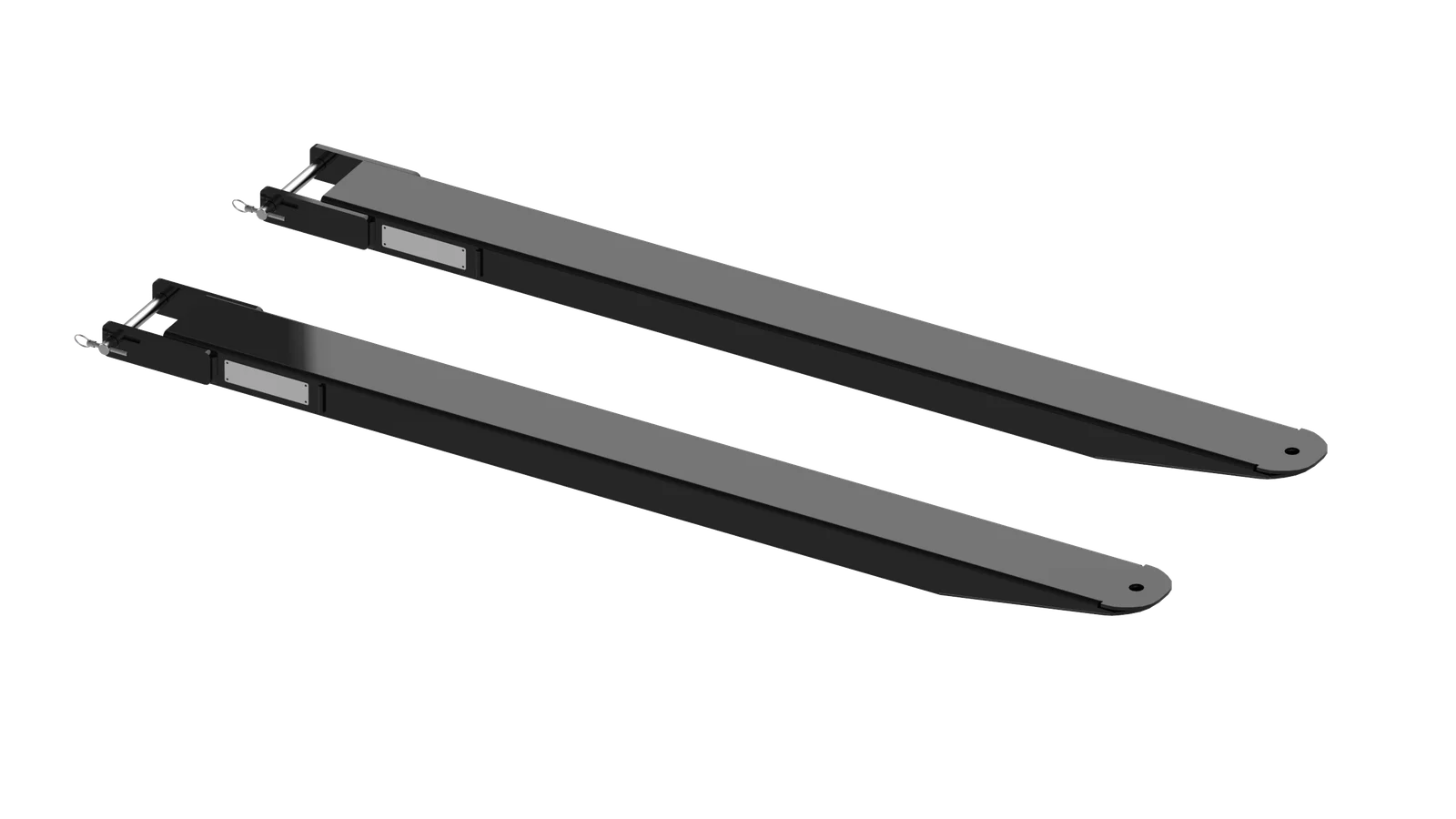
For long loads that need extra support, a forklift extension or an open-bottom fork extension may be the better fit. For double-deep racking, telescopic forks offer hydraulic reach. Roller forks remain the specialist choice for pallet-less handling.
Specifications and Model Selection
WONTONNE roller forks are available in a range of models to match different carriages and load requirements. The RF10D series includes 2A and 3A mounting classes, with capacities up to 1000kg per model and various lengths. For heavier loads, the overall roller fork range supports capacities up to 2000kg.
When selecting a model, consider:
- Mounting class — ISO 2A or 3A to match your carriage.
- Fork length — must suit your load depth and container dimensions.
- Load weight and center — confirm the roller fork capacity exceeds your heaviest load.
- Floor conditions — the rolling mechanism requires a suitable floor surface to engage correctly.
For loads outside the standard range, WONTONNE also offers custom forks engineered to your specifications, including special lengths, widths, and mounting types.
Installation, Safety, and Derating
Roller forks hang on standard lift truck carriages, so installation is straightforward. However, as with any attachment, you must apply the manufacturer's derating factor to determine the new rated capacity at the new effective load center. Always check your truck's original capacity plate and the attachment's derating table before putting roller forks into service.
Operators should be trained on the specific engagement and retraction behavior of the rollers. Because the forks rely on floor contact to engage the rollers, smooth and level floor surfaces are important for reliable operation. Regular inspection of the roller cartridges and fork structure is recommended to maintain performance and safety.
Maintenance tips
- Keep rollers clean and free of debris.
- Inspect roller cartridges for wear.
- Lubricate moving parts according to the service schedule.
- Replace worn rollers promptly to avoid load handling issues.
FAQ
What are roller forks used for?
Roller forks are used for pallet-less handling of slip-sheeted goods, cartons, intermediate bulk containers, and other loads placed directly on the floor. They are common in air cargo terminals, freight forwarding, military logistics, and warehousing.
Can roller forks handle heavy cylindrical loads?
Yes, WONTONNE roller forks are designed for heavy cylindrical loads and support capacities up to 2000kg, depending on the model and mounting class.
How do I choose between roller forks and a push-pull attachment?
Roller forks are lighter and more cost-effective than push-pull attachments for certain applications, especially where loads are single-stacked and placed directly on the floor. Push-pull attachments may be preferred when a gripper function is required. Evaluate your load types and floor conditions to decide.
Get Roller Forks for Your Operation
WONTONNE has over 20 years of experience manufacturing forklift attachments and material handling equipment for global markets. Our roller forks are built to match specific fork dimensions and spacing, and we provide full technical support and spare parts. To discuss your application or request a quote for roller forks for sale, contact WONTONNE today. You can also explore our full range of forklift attachments to find the right solution for your fleet.