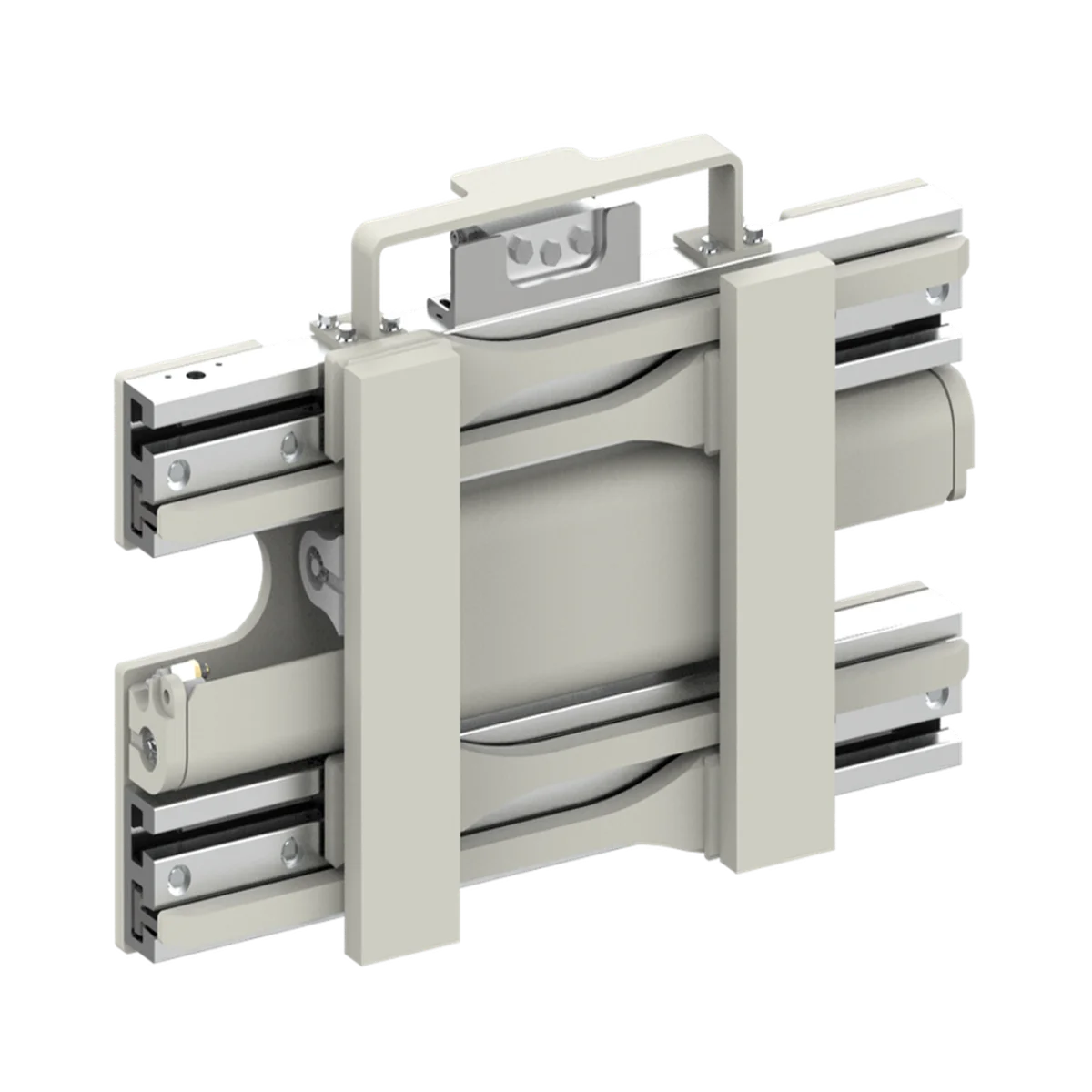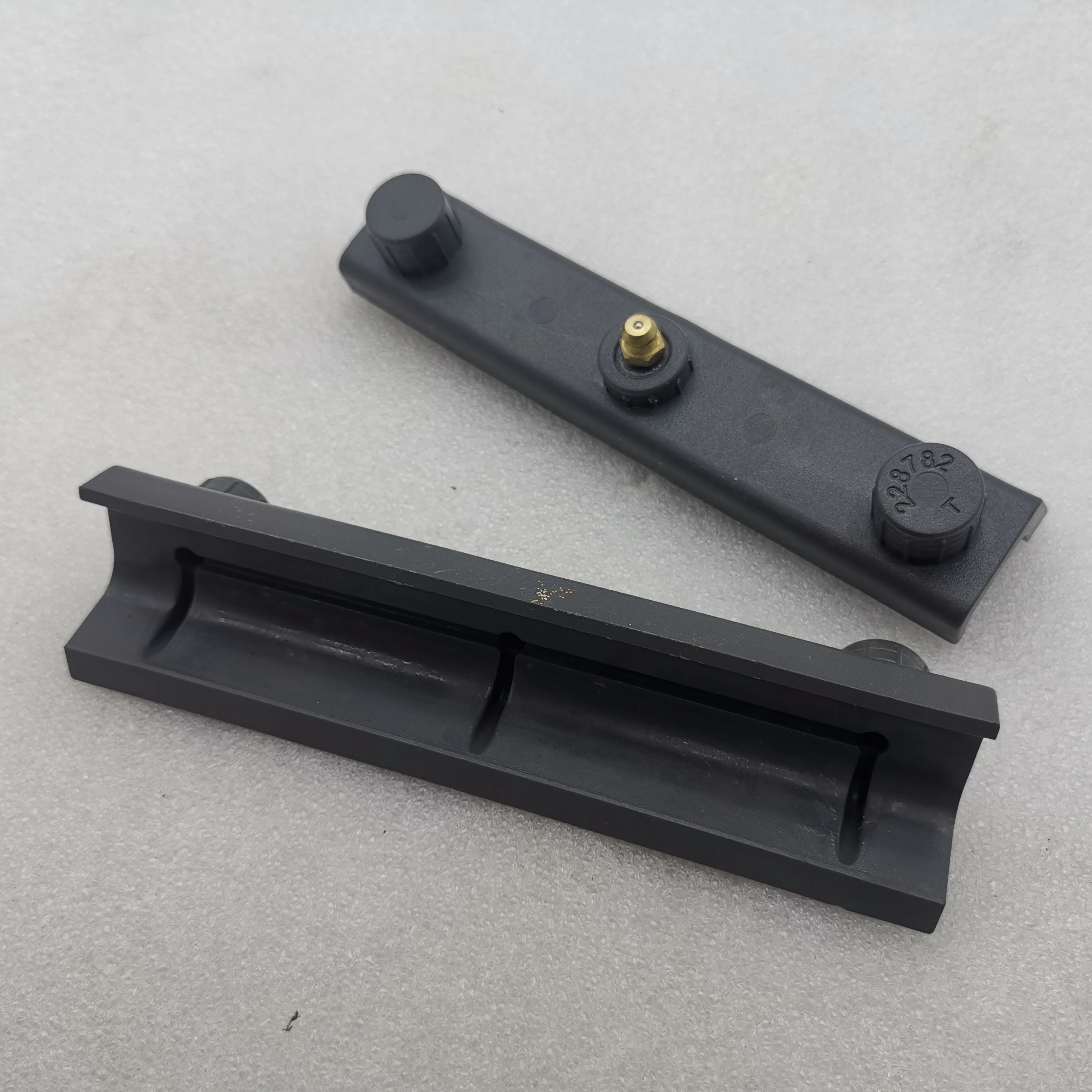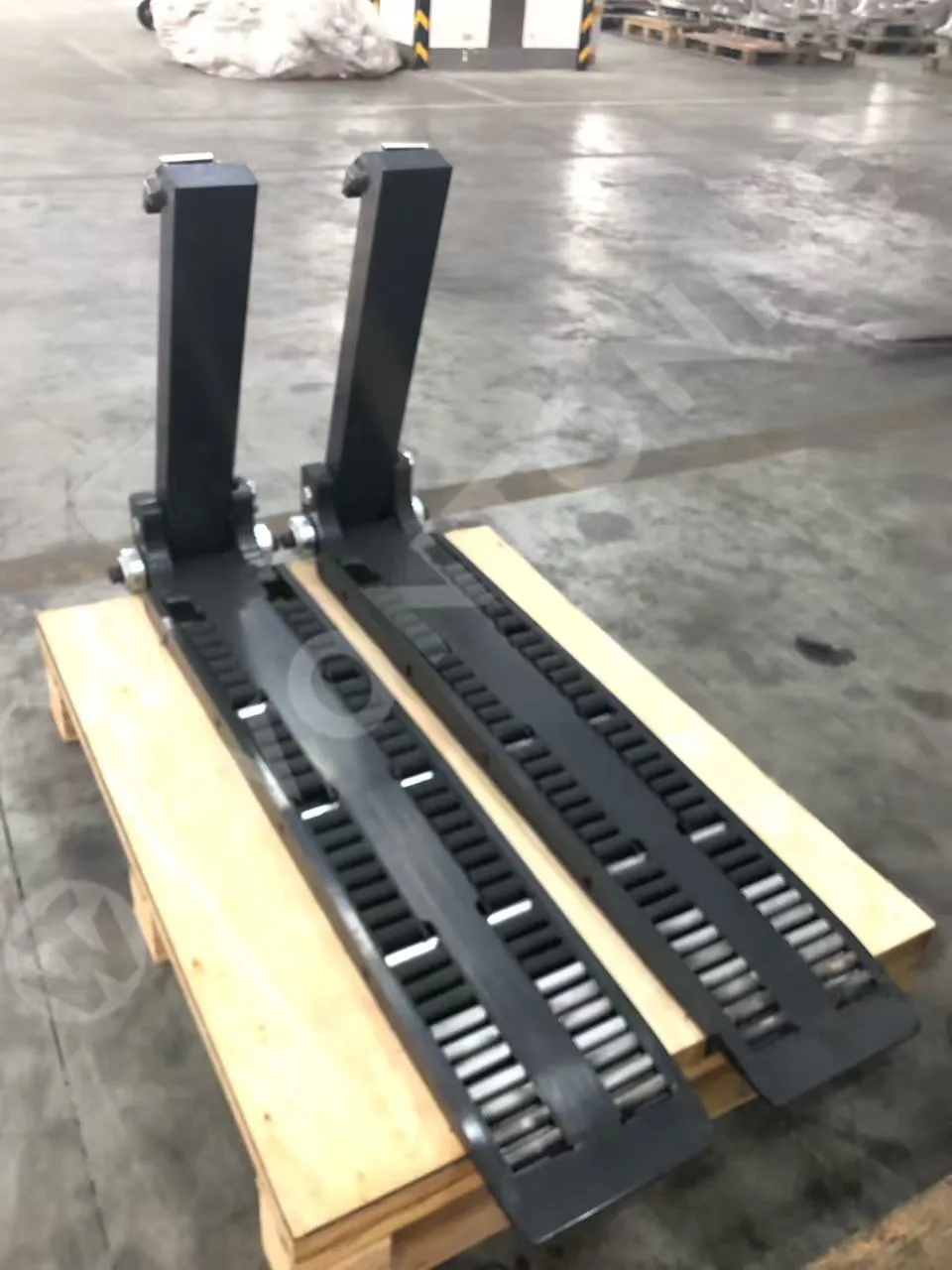

Pulp bales are the primary raw material for papermaking, made from wood fibers or recycled paper. Handling these dense, heavy bales efficiently and without damage is critical for paper mills, ports, and warehouses. A specialized pulp bale clamp attached to a forklift is the standard solution for moving, stacking, and feeding pulp bales into the pulper. This guide explains the key considerations for selecting and using a pulp bale clamp, with practical insights from WONTONNE's 20+ years of manufacturing expertise.
What Is a Pulp Bale and Why Handling Matters
Pulp bales are compressed blocks of dried wood pulp or recycled fiber, typically weighing several hundred kilograms. They are produced in pulp drying lines and shipped to paper mills for repulping. Because bales are dense and can be damaged by improper handling, the equipment used to move them must provide secure clamping force and precise control. Efficient pulp bale handling ensures a steady flow to the pulper, reduces fiber loss, and maintains a clean, safe work environment.
Pulp Bale Clamp vs. Paper Roll Clamp: What's the Difference?
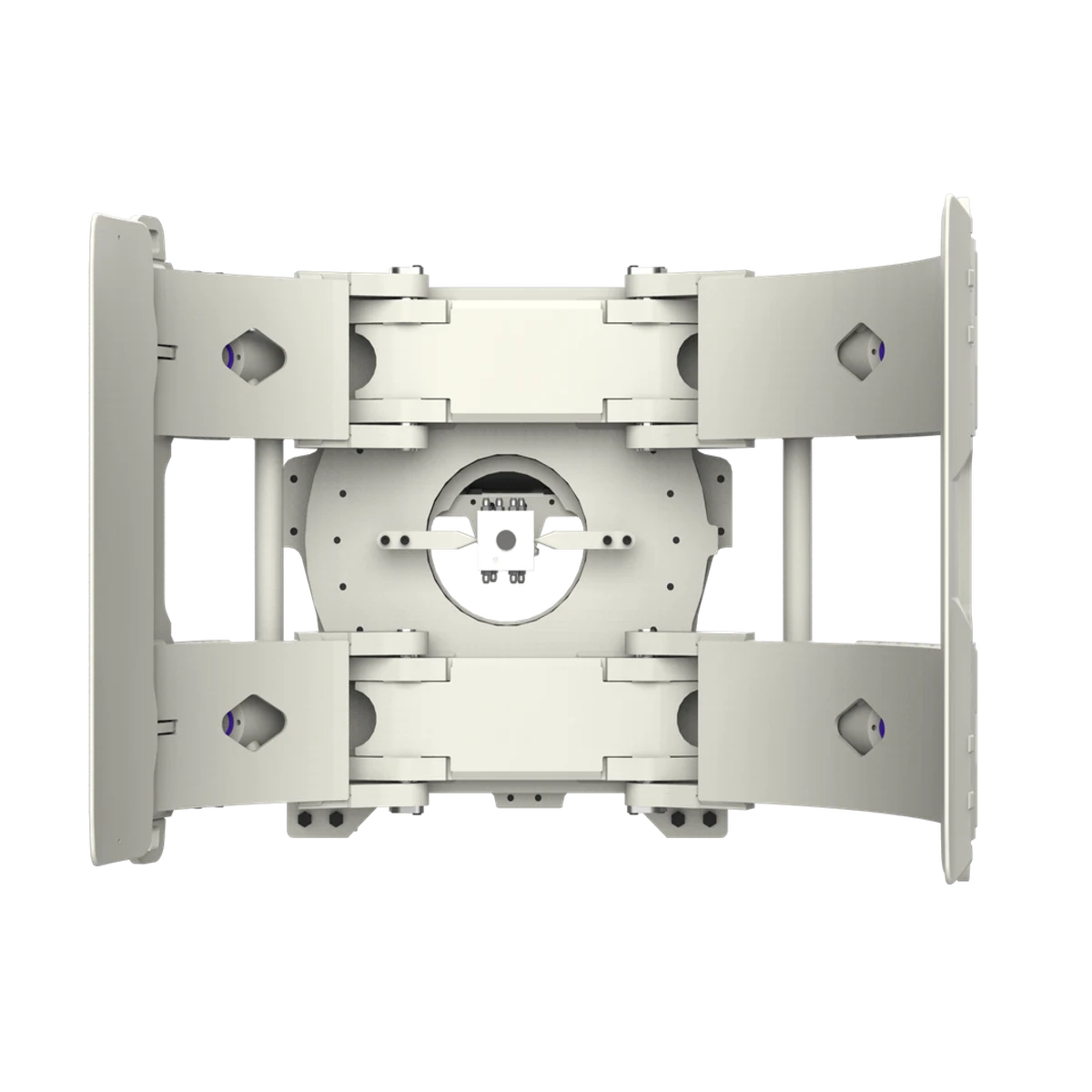
While both are hydraulic attachments for forklifts, pulp bale clamps and paper roll clamps serve different purposes. Paper roll clamps are designed for cylindrical rolls and often feature rotating mechanisms for positioning rolls horizontally or vertically. Pulp bale clamps, on the other hand, are optimized for rectangular bales, with wide, flat arms that grip the bale securely without crushing it. Some operations use paper roll clamps for bales when the bale dimensions are compatible, but dedicated bale clamps offer better load stability and reduce the risk of damage.
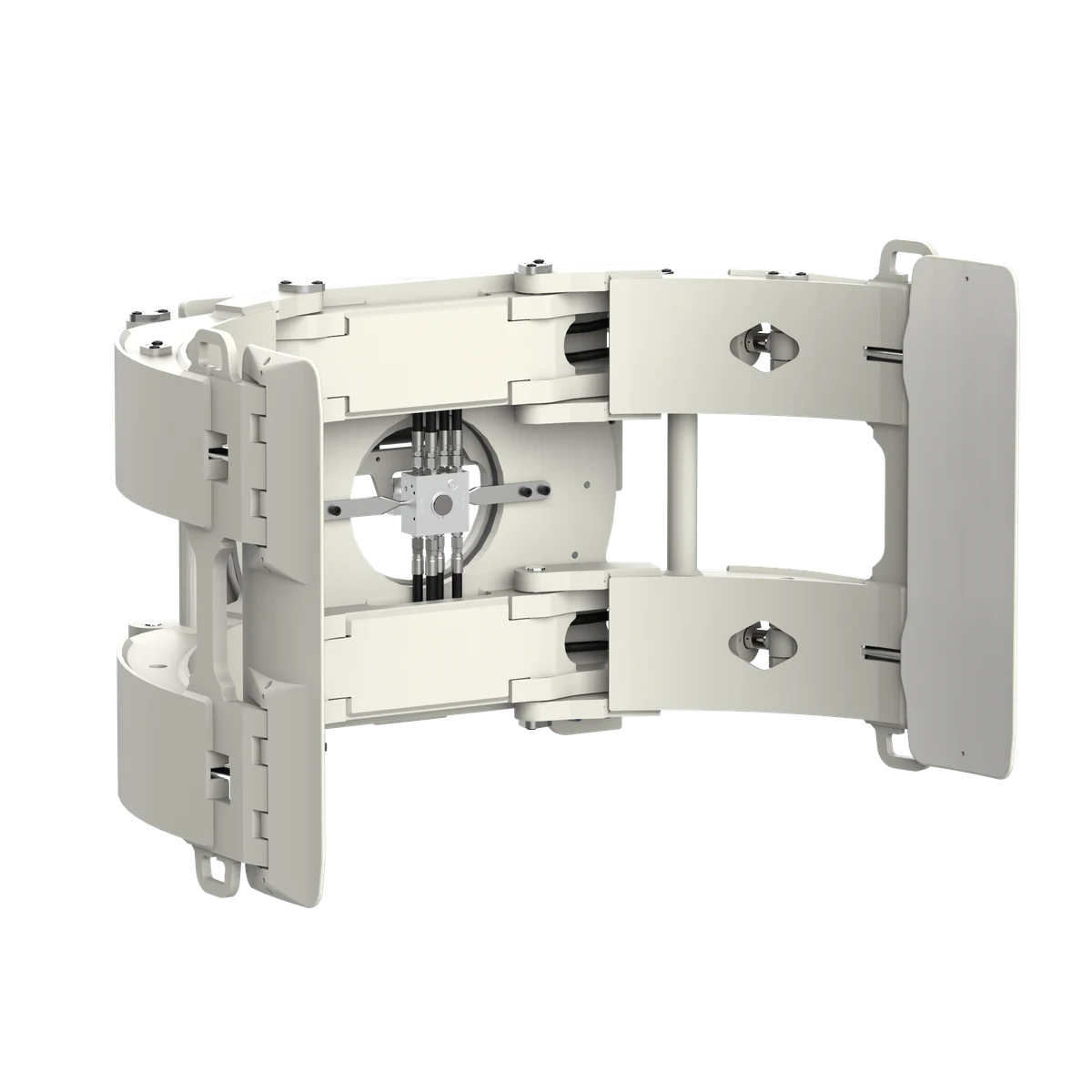
Key Features of a Reliable Pulp Bale Clamp
When selecting a pulp bale clamp, consider these critical features:
- Clamping force control: Adjustable pressure prevents crushing or slipping.
- Arm design: Wide, flat arms with wear-resistant pads for even force distribution.
- Visibility: Good sightlines through the frame and arms for safe operation.
- Durability: Robust construction to withstand the rigors of pulp and paper environments.
- Compatibility: Mounting class that matches your forklift (e.g., ISO 2A, 3A, 4A).
WONTONNE's paper roll clamps, such as the 33G Paper Roll Clamp, incorporate many of these features, including excellent visibility and a robust design. For bale handling, similar principles apply, and our clamps can be adapted for bale applications upon request.
Choosing the Right Clamp for Your Pulp Bale Operation
The right clamp depends on your bale dimensions, weight, and the forklift's capacity. Consider the following steps:
- Determine bale specifications: Measure the length, width, height, and weight of your bales.
- Check forklift capacity: Ensure the clamp and load do not exceed the forklift's rated capacity at the required load center.
- Select mounting class: Match the clamp's mounting class to your forklift's carriage.
- Evaluate arm type: Fixed arms for uniform bales; positioned arms for varying widths.
- Consider rotation: If you need to invert bales or position them precisely, a rotating clamp may be beneficial.
For detailed specifications, refer to our forklift attachments catalog or consult our engineers.
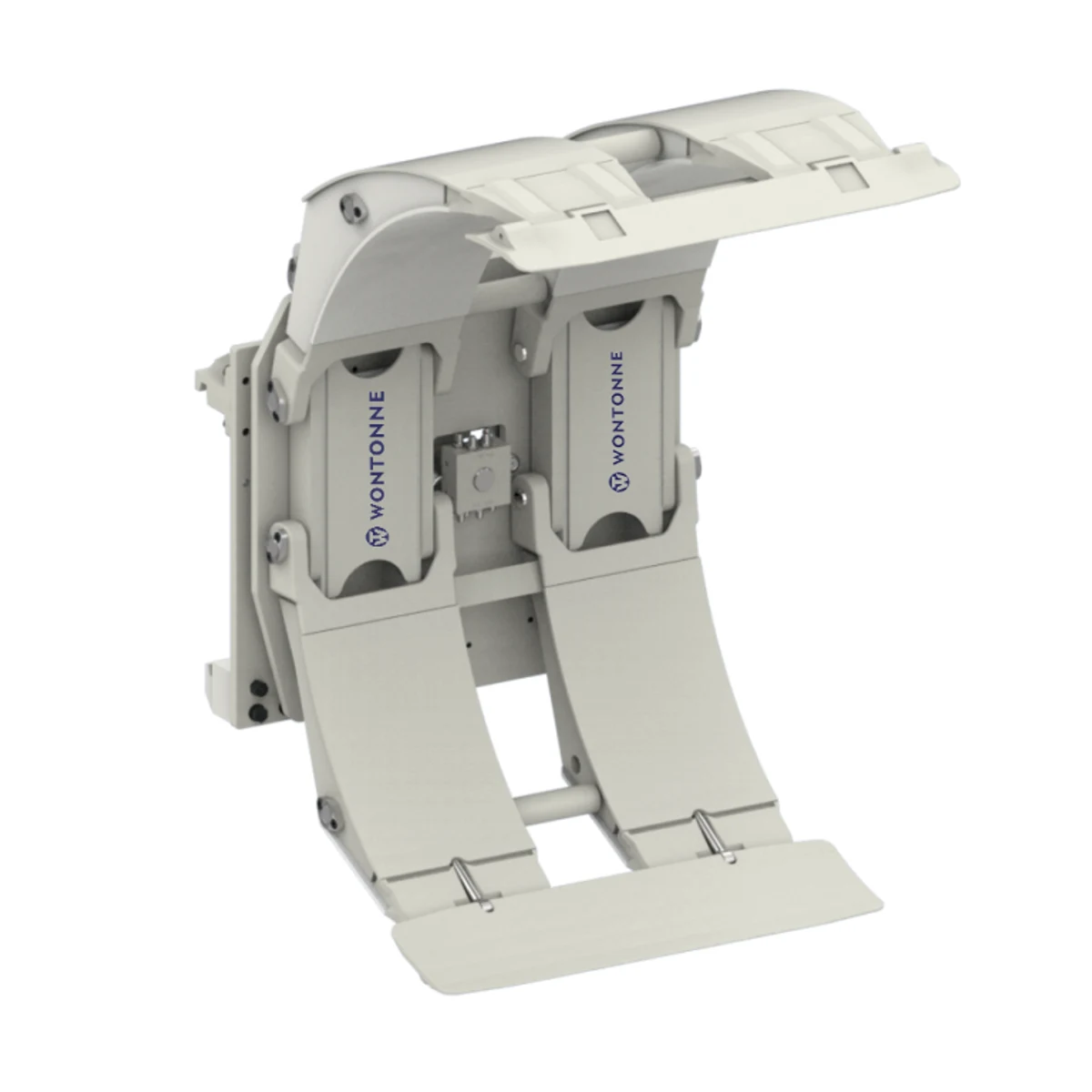
Comparison of WONTONNE Clamps for Pulp Bale Handling
While WONTONNE specializes in paper roll clamps, many models can be configured for pulp bale handling. The table below compares key models that are often used in pulp and paper applications.
| Model | Capacity (kg) | Load Center (mm) | Roll Range (mm) | Mounting Class | Arm Type |
|---|---|---|---|---|---|
| 12G Paper Roll Clamp | 1200 | 575 | 350-1150 | ISO 2A | Fixed |
| 24G Paper Roll Clamp | 2200 | 575 | 350-1150 | ISO 2A | Fixed |
| 30G Paper Roll Clamp | 3000 | 650 | 450-1300 | ISO 3A | Fixed |
| 33G Paper Roll Clamp | 3500 | 650 | 425-1300 | ISO 4A | Fixed |
| 35F/45F Paper Roll Clamp | 4100 | 760 | 250-1520 | ISO 4A | Positioned |
Note: Capacities and dimensions are for reference. For pulp bale applications, please contact WONTONNE to discuss your specific requirements.
Best Practices for Safe Pulp Bale Handling
Safety and efficiency go hand in hand. Follow these best practices:
- Inspect clamps daily for wear, hydraulic leaks, and damaged pads.
- Never exceed the clamp's rated capacity.
- Ensure the bale is centered and fully seated before clamping.
- Travel with the load low and tilted back slightly.
- Avoid sharp turns and sudden stops to prevent load shift.
- Train operators on proper clamping techniques and load stability.
FAQ
Can I use a paper roll clamp for pulp bales?
In some cases, yes, if the bale dimensions and weight are compatible with the clamp's opening range and capacity. However, dedicated pulp bale clamps are designed with wider arms and specific force distribution for optimal bale handling. Consult WONTONNE for advice.
What is the typical capacity needed for pulp bale handling?
Pulp bales vary in weight, but common capacities range from 1,200 kg to over 4,000 kg. The required capacity depends on your bale weight and load center. Always match the clamp capacity to your heaviest bale and forklift rating.
How often should pulp bale clamps be serviced?
We recommend a daily visual inspection and a thorough service every 500 operating hours or as per the manufacturer's guidelines. Regular maintenance ensures safe operation and extends the clamp's lifespan.
Conclusion
Selecting the right pulp bale clamp is essential for safe, efficient, and damage-free handling. With WONTONNE's extensive range of paper roll clamps and customization options, you can find a solution tailored to your pulp bale operation. Contact our team today to discuss your needs and get a personalized recommendation.
Contact WONTONNE for expert guidance and a quote.