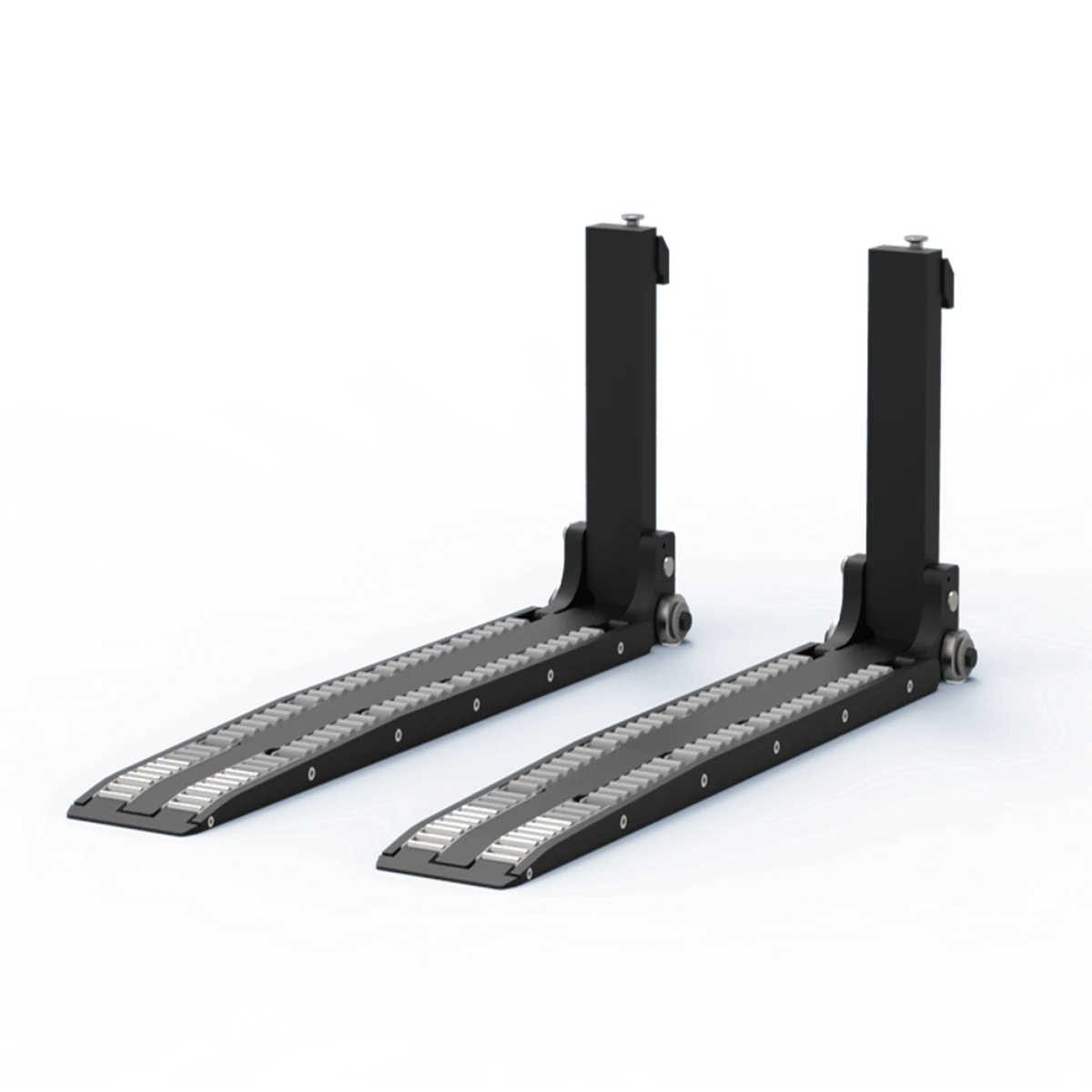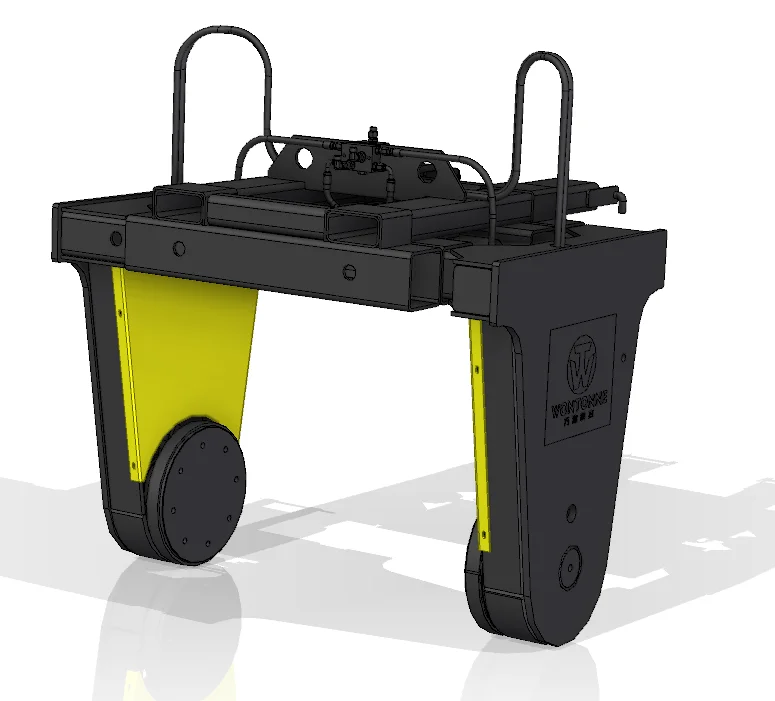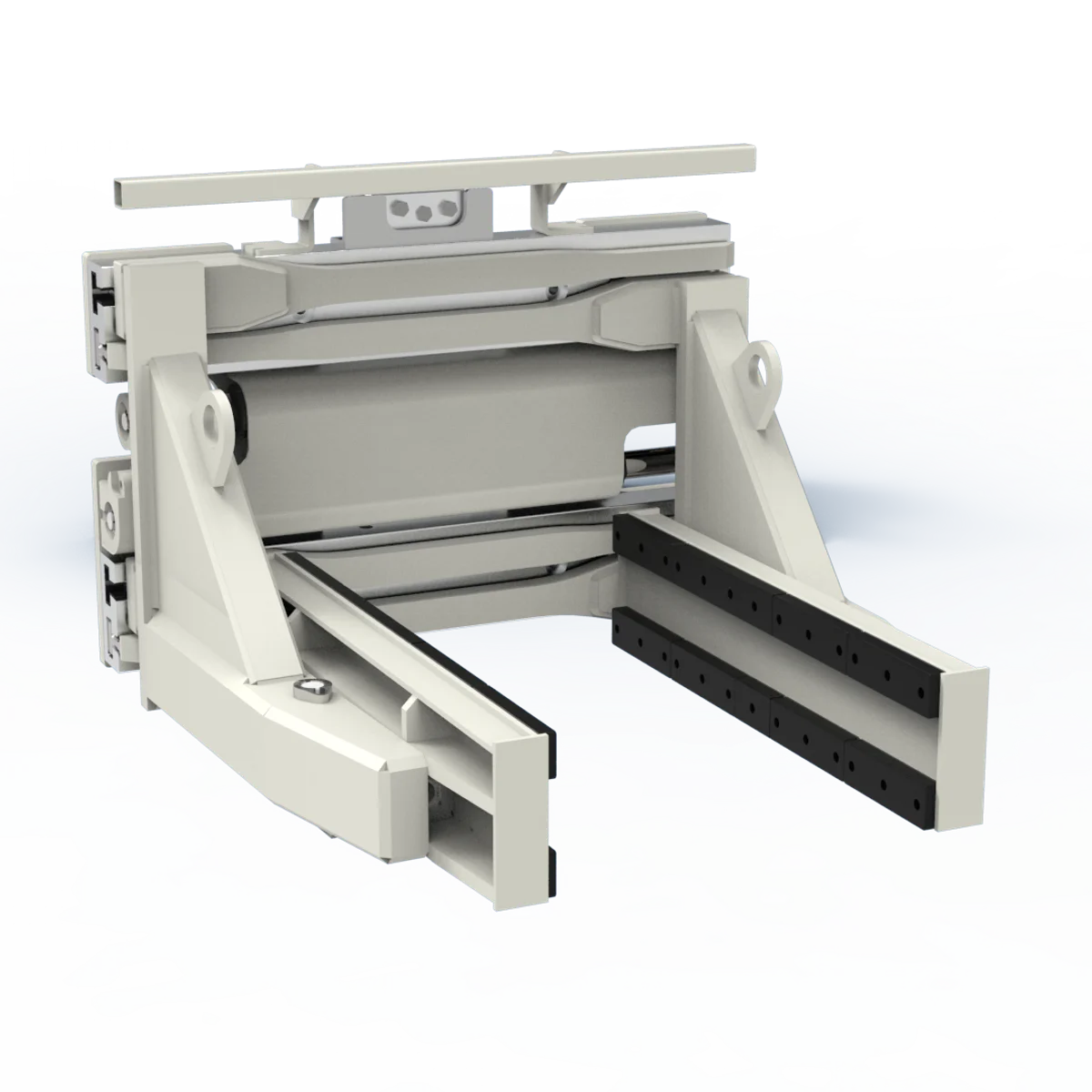

Buying fork lift forks for sale looks simple until you compare listings: the same nominal capacity appears at three different prices, in three different mounting classes, with three different fork lengths. The differences are not cosmetic. Mounting class decides whether the fork carriage will accept the tine at all; fork length decides where the load centre sits; and the attachment hanging off the carriage quietly reduces the load your truck can pick up. This guide walks through the decisions in the order that matters, so you specify fork tines once and get them right.
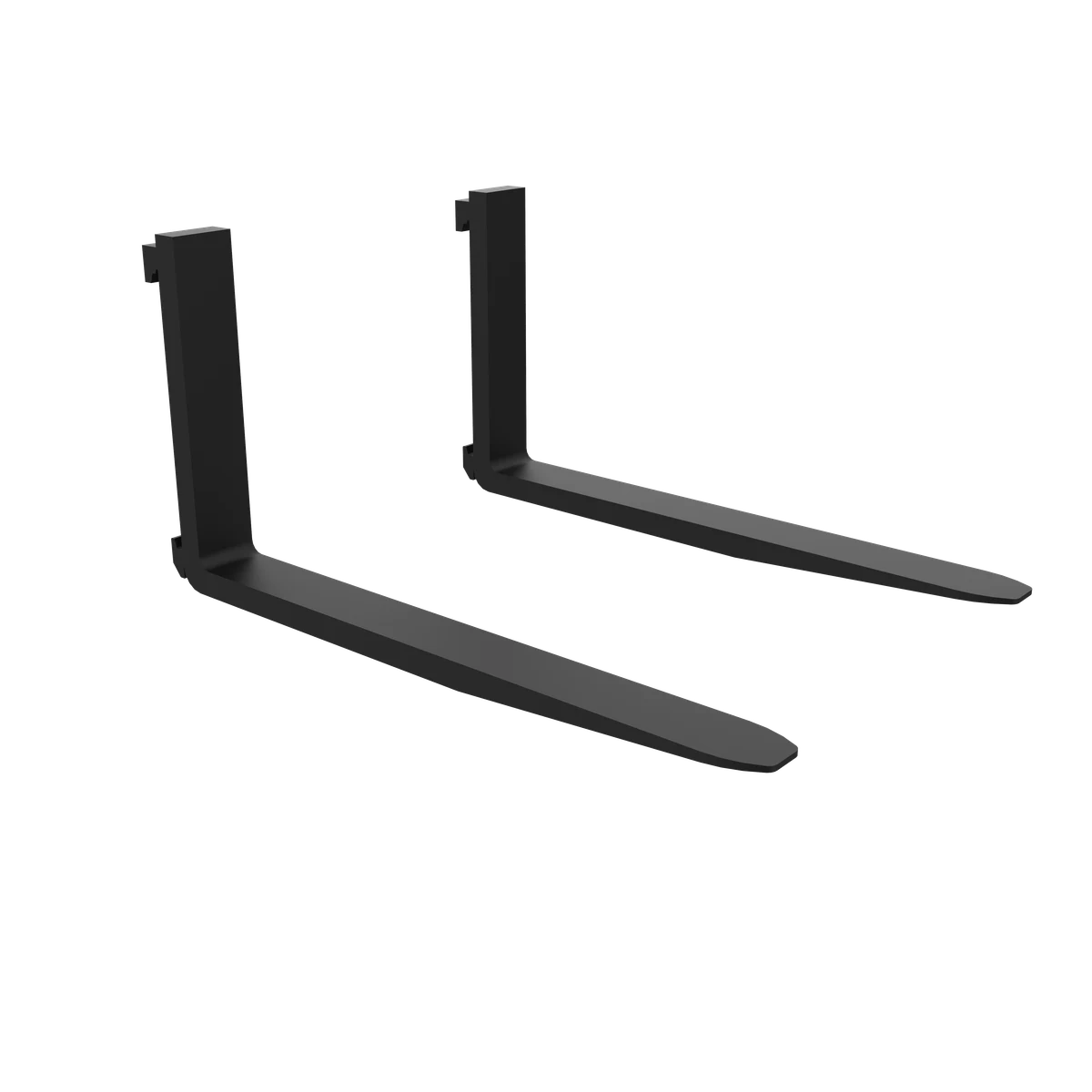
Start With the Mounting Class, Not the Price
Fork lift forks for sale are grouped by ISO mounting class, and the class is a dimensional standard, not a marketing tier. A Class II fork will not pin into a Class III carriage, and a Class III fork will not fit a Class II carriage. Before comparing quotes, read the data plate on the truck and confirm which carriage class you are running.
WONTONNE supplies forks in two of the most common classes:
- Forklift Forks (ISO 2A Mount) — forged steel tines for 1200–2500 kg capacity trucks, widely used in warehousing, papermaking, packaging, printing, tobacco and home appliance handling. The range includes models such as FJ100*32*920-2A through FJ100*32*1520-2A.
- Forklift Forks (ISO 3A Mount) — heat-treated steel tines for 3000–4000 kg capacity trucks, with models such as FJ122*45*1070-3A through FJ122*45*1820-3A.
Both families are forged steel construction with various fork lengths available, so you can match the tine to your racking depth rather than cutting a standard length down. If you are also shopping pallet lifts for sale or replacement fork lifts for sale at the same time, fix the class on the truck first — it constrains everything else in the order.
Fork Length, Load Centre and the Capacity You Actually Get
A fork is rated at a load centre, normally 500 mm or 600 mm from the vertical face of the carriage. Load further out than the rated centre reduces the capacity the fork can carry, and the same physics applies to the truck. This is why a long tine bought for reach is not a free upgrade: it moves your real load centre forward and eats into the truck's residual capacity.
Two rules keep you out of trouble:
- Choose the shortest fork that fully supports the pallet and clears the rack beam. Extra length you do not need costs capacity.
- Check the load centre on the fork data against the load centre on the truck data plate. The lower of the two governs.
Where extension forks fit
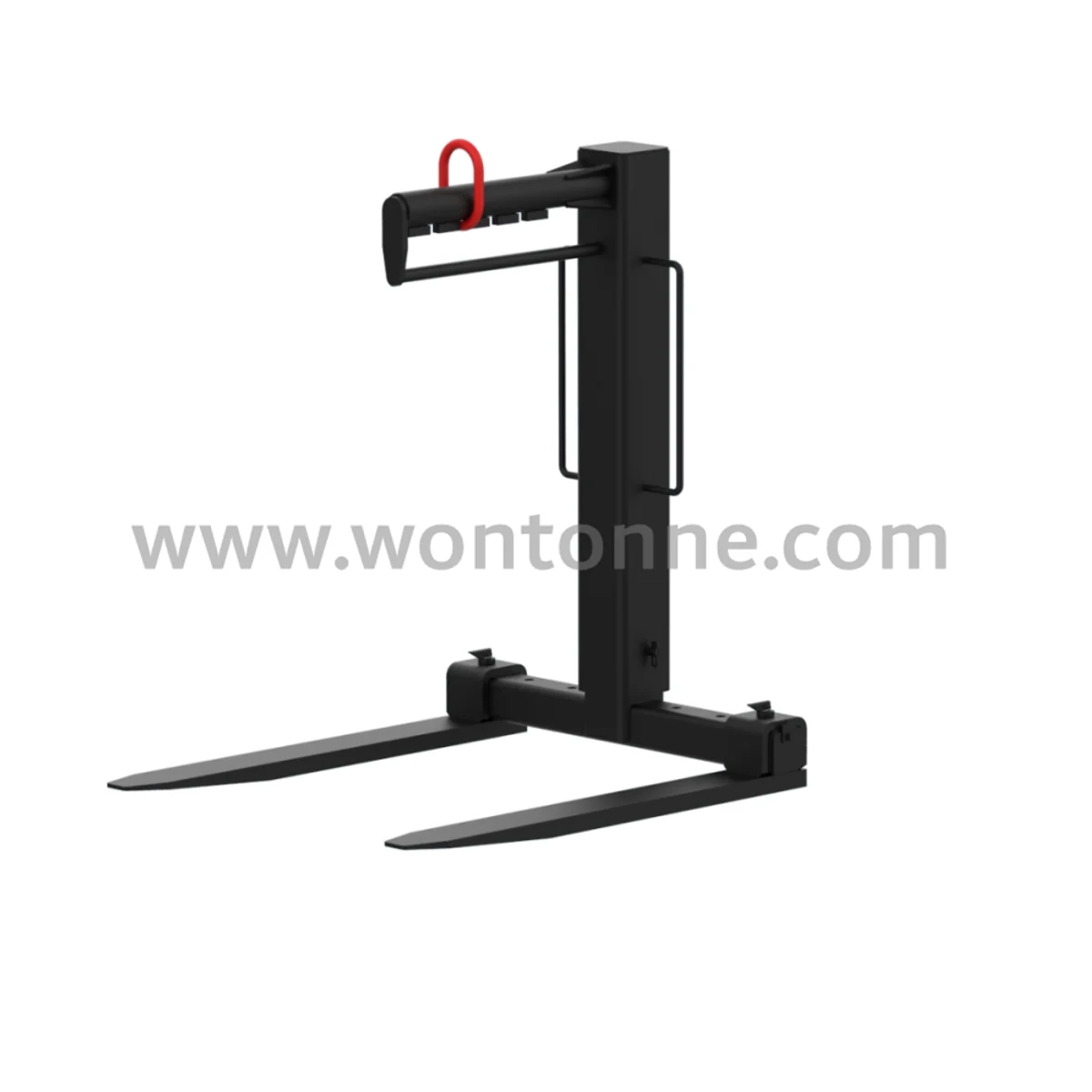
Extension forks for sale are a separate purchase from standard tines, and they behave differently. Sleeving an extension over an existing fork moves the load further from the carriage and adds the extension's own weight to the moment arm. Treat extension forks as a task-specific tool for occasional long or awkward loads, not as a permanent substitute for the correct tine length. If long loads are routine, buy the right fork length instead.
Telehandlers and skytrak forks
Skytrak forks for sale follow the same logic but harsher numbers. Telehandlers reach further and lift higher than a counterbalance truck, so the load chart falls away quickly with boom extension and fork length. Match the fork class and section to the machine's carriage, and re-read the load chart at the actual reach and height of the job — not at the figure printed on the fork.
When Forks Are the Wrong Answer
Plenty of loads that arrive on a pallet should never be carried on bare tines. Clamping, rotating, tipping and pipe handling all need purpose-built attachments that mount on the same carriage. The table below compares the main options WONTONNE builds for these jobs.
| Attachment | Function | Mounting | Typical capacity |
|---|---|---|---|
| Fork Clamps (Revolving Type) | Clamps, turns and handles bales and cartons; forks tiltable by 45° and 90° | ISO 2A / ISO 3A | Up to 2300 kg |
| Pallet Converters | Grips, lifts and turns palletized loads with 360° rotation | Fork carriage | 2000 kg |
| Tri-lateral head unit | Stacks left, front and right with 180° rotation and side shift for narrow aisles | ISO 2A | Up to 1000 kg |
| Pipe Stabilizers | Secures steel pipes during lifting and transport, prevents rolling and slipping | ISO 3A | 4000–12000 kg |
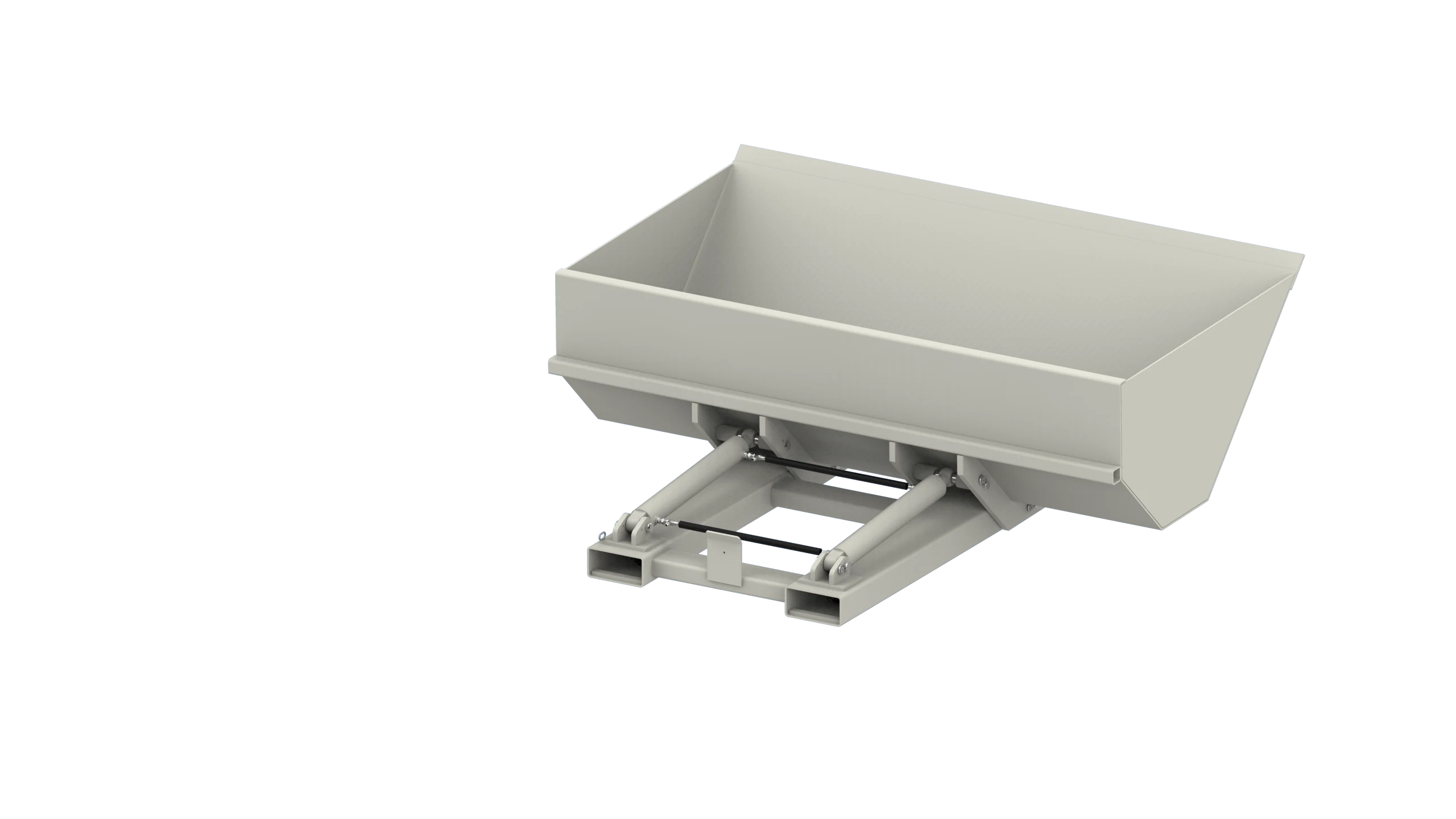
| DBHS-20 Hydraulic Bucket | Loads and dumps bulk materials with hydraulic tilt | Pocket-type mounting | 2000 kg |
Every one of these attachments has its own weight, and that weight comes straight off your residual capacity. A revolving fork clamp rated at 2300 kg, for example, weighs several hundred kilograms itself. Subtract the attachment weight from the truck's rated capacity before you accept a load, and check the horizontal load centre the attachment introduces — it is usually further forward than a bare fork carriage.
Specifying Fork Tines for Sale Without Overbuying
Most fork enquiries we receive fall into three groups: replacing worn tines on an existing truck, equipping a new truck, and adding a second fork set for a different load. Here is how to brief the order in each case.
- Replacement: note the truck make and model, carriage class, current fork length and the load you actually lift. Worn heels and reduced section thickness are the usual reasons to replace rather than repair.
- New truck fit-out: confirm the class first, then pick the shortest length that suits your deepest rack and widest pallet.
- Second fork set: if the load needs clamping or rotating, price the attachment rather than a longer fork. Pallet hooks and other mechanical attachments may suit crane and lifting equipment better than a fork-mounted solution.
WONTONNE has manufactured forklift attachments and material handling equipment for more than 20 years and exports worldwide. Forks are supplied compatible with major forklift brands, with technical support and spare parts behind them. You can review the full range on the all forklift attachments page before you narrow the shortlist.
Frequently Asked Questions
How do I know which fork class my truck takes?
Check the carriage on the truck and the data plate. Class II (ISO 2A) forks suit 1200–2500 kg capacity trucks; Class III (ISO 3A) forks suit 3000–4000 kg capacity trucks. The classes are dimensionally different, so a fork from the wrong class will not mount correctly.
Can I use extension forks to lift longer loads permanently?
Extension forks are best treated as an occasional tool. They move the load centre further from the carriage and add their own weight, which reduces the capacity you can safely lift. If long loads are a daily task, specify a longer standard fork instead.
Does adding an attachment change my truck's capacity?
Yes. The attachment's own weight and its horizontal load centre both count against the truck's rated capacity. Subtract the attachment weight from the data plate figure and confirm the combined load centre before lifting. Detailed figures for each model are listed on the individual product pages.
If you are comparing fork lift forks for sale, pallet lifts for sale or a full attachment package, send us your truck details, carriage class and the loads you handle. Our team will confirm the right fork length, class and attachment combination, and quote accordingly. Contact WONTONNE to start the specification.