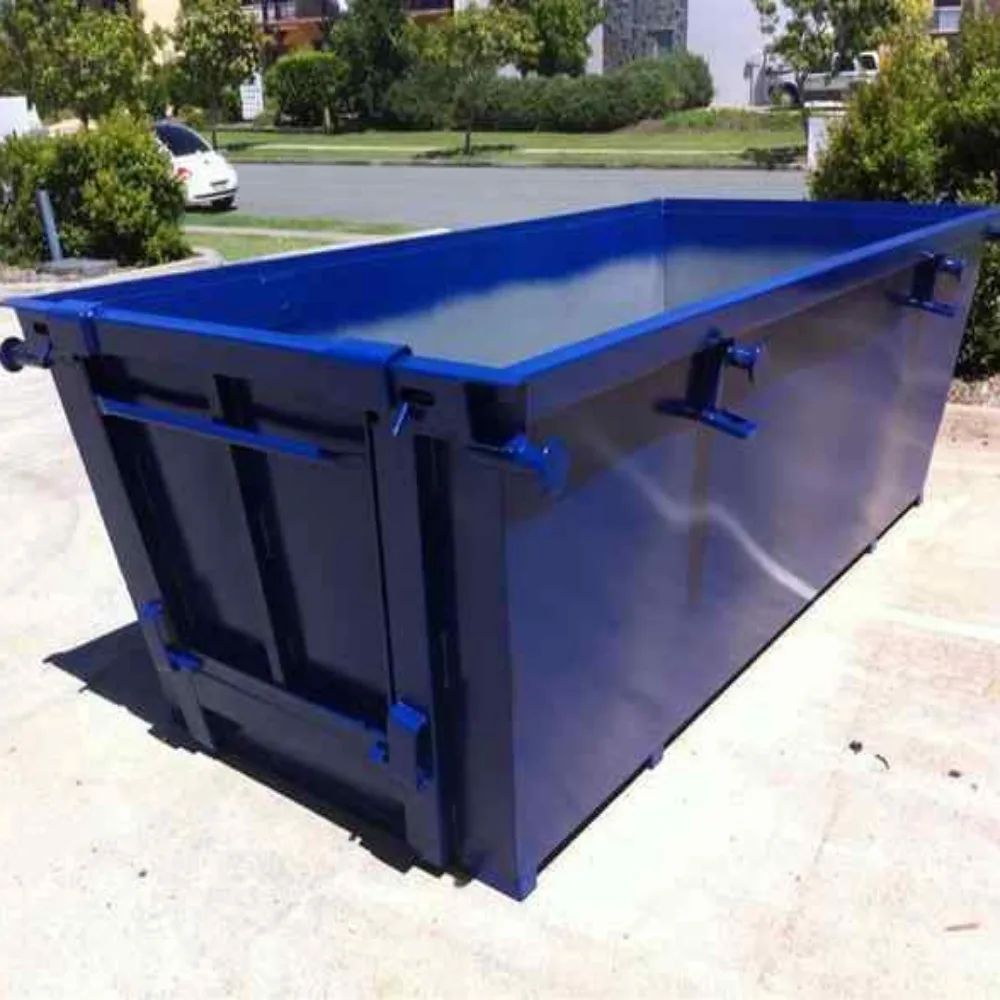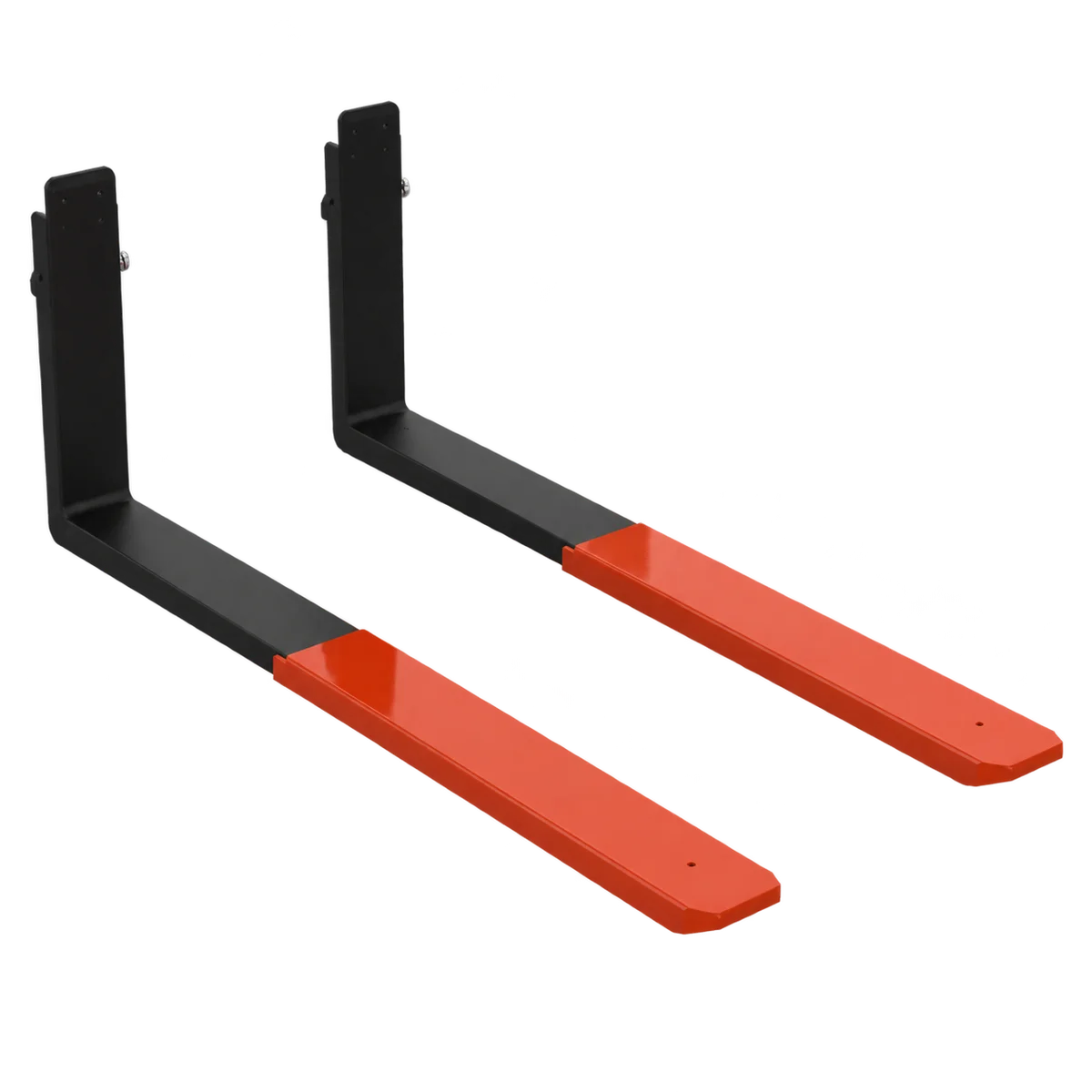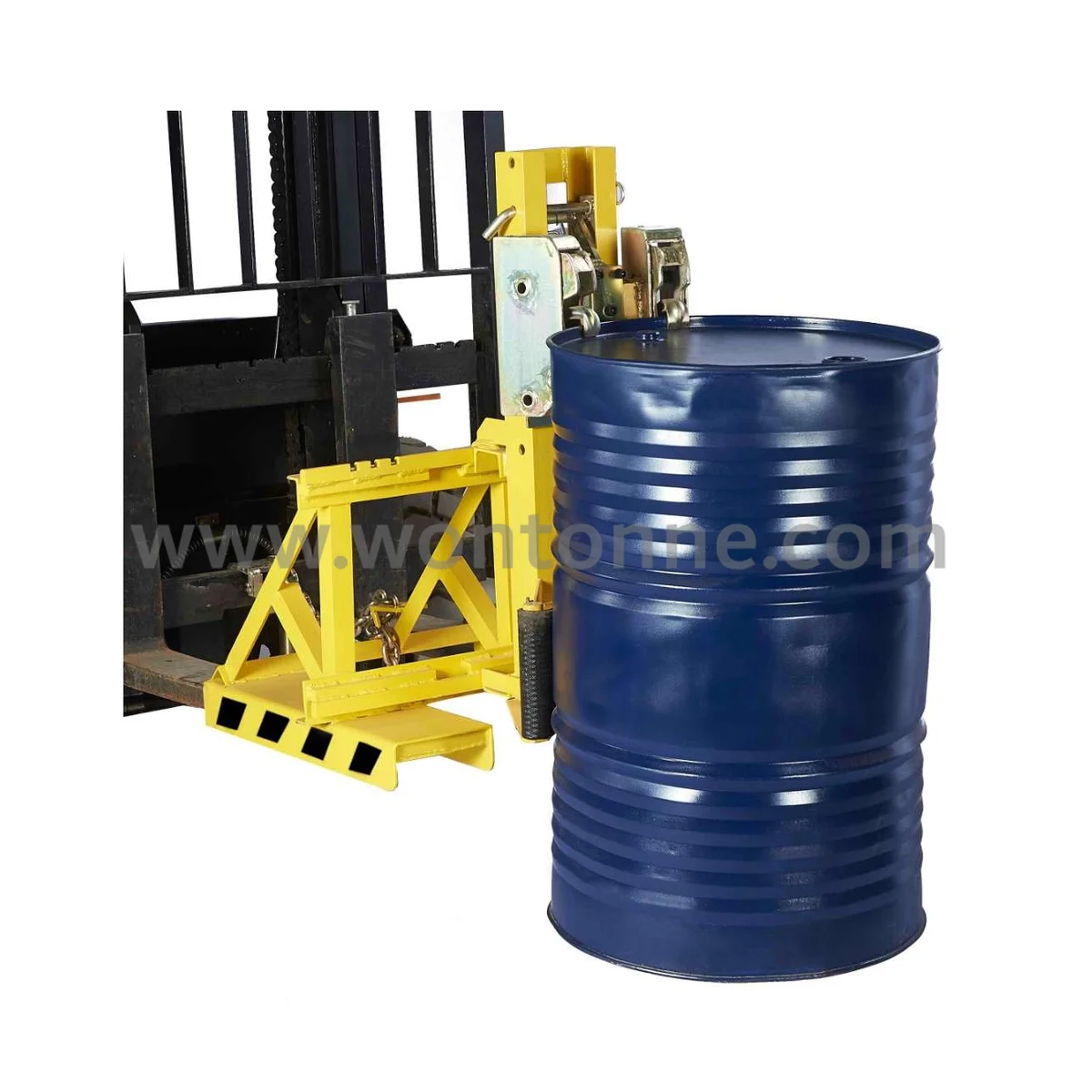

A forklift attachment is any device mounted on the fork carriage or slipped over the forks to change what the truck can pick up. Standard tynes move pallets; an attachment lets the same truck grip a steel pipe, rotate a palletized load, tip a bucket of gravel or carry a bag without a pallet underneath it. The practical question is never "which attachment is best" — it is which attachment matches the load, the carriage class and the remaining capacity of your truck.
WONTONNE has manufactured material handling equipment for more than 20 years and exports attachments to warehouses, steel plants, ports and construction sites worldwide. This guide explains how the main families differ, what to check before ordering, and where capacity is quietly lost.
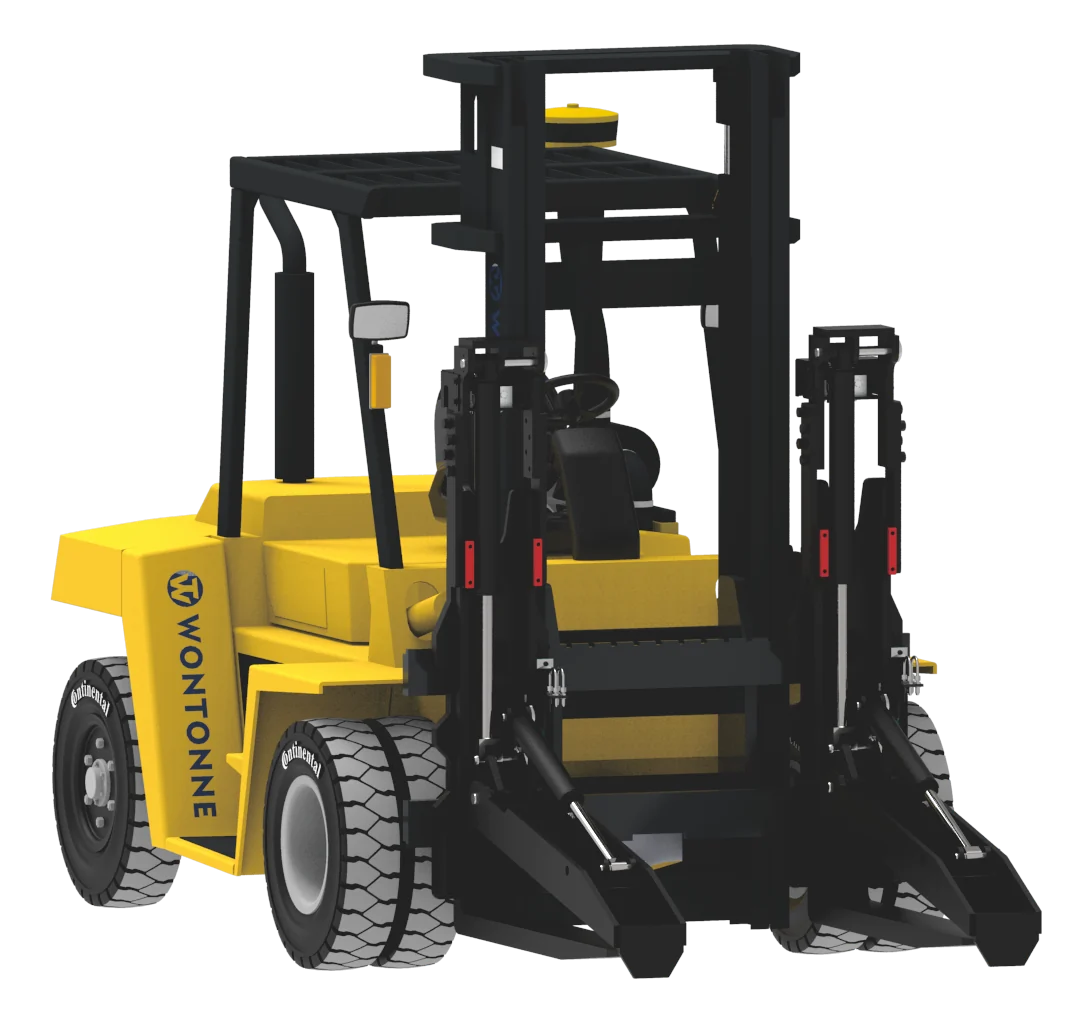
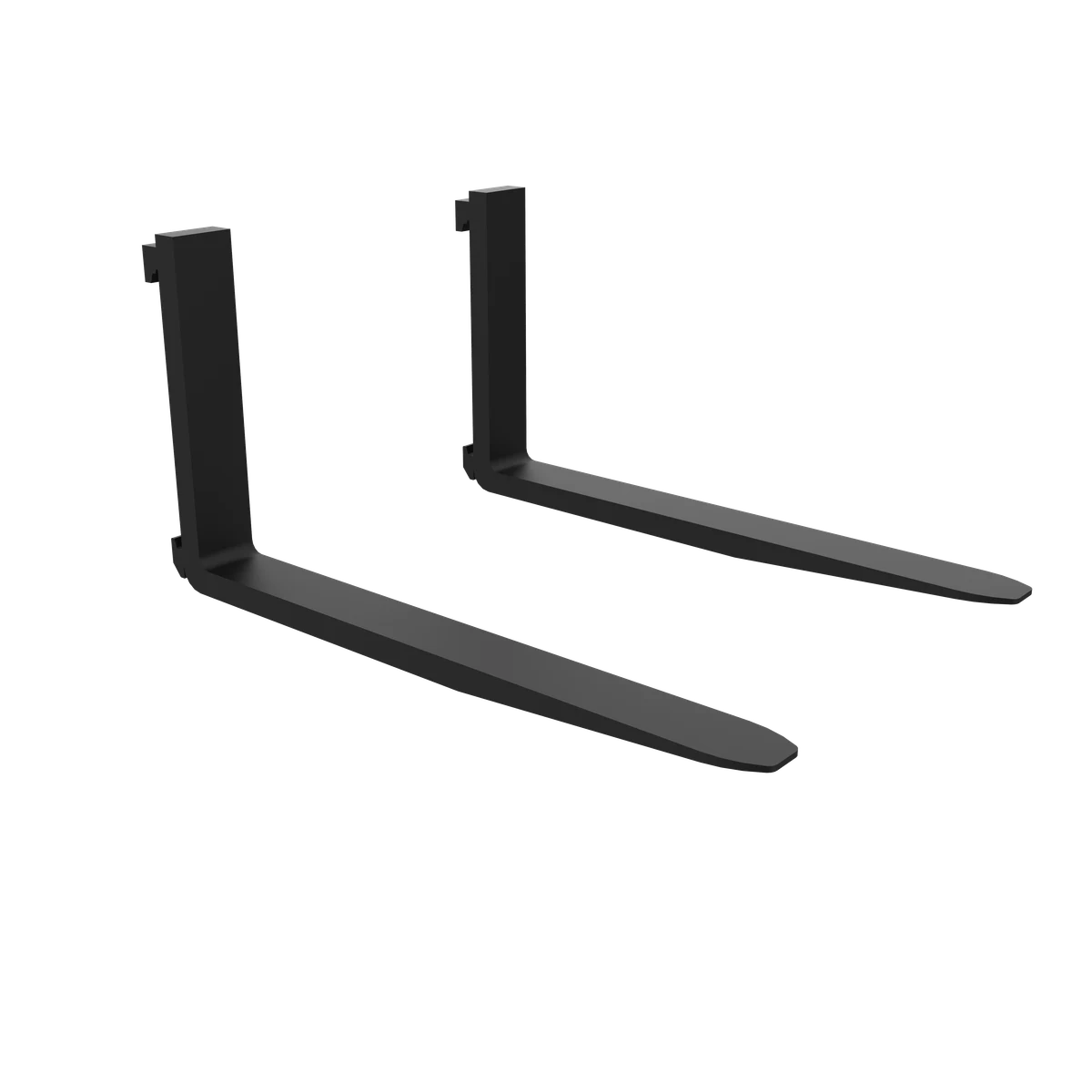
Slip-on vs carriage-mounted forklift attachment designs
Almost every attachment on the market falls into one of two mechanical groups, and the group determines how you install it, how much capacity it costs you and how quickly you can change tasks.
- Slip-on (fork-mounted): the attachment slides over the existing tynes and is secured with pins, bolts or a heel clamp. It is cheap, fast to fit and needs no hydraulics. Typical examples are bag lifters with a 180x60 mm slip-on pocket, fork extensions and simple hooks.
- Carriage-mounted (integrated): the attachment replaces the forks and hooks onto the carriage, usually with a standard ISO mounting class. It is heavier, more rigid and normally hydraulic. Pipe stabilizers, pallet converters, tri-lateral head units and forging clamps belong here.
The trade-off is straightforward. Slip-on units keep the truck usable for normal pallet work but add thickness in front of the tynes and reduce the usable fork length. Carriage-mounted units give better strength and repeatability but require a quick-change or hook-type carriage to swap in and out efficiently.
Why mounting class matters more than brand
Mounting class is the interface between attachment and truck. An ISO 2A attachment fits a different carriage than an ISO 3A unit, and the class is tied to the truck's rated capacity range. WONTONNE forks are built to ISO 2A for 1200–2500 kg trucks, while heavier attachments such as the pipe stabilizer and forging clamp use ISO 3A. If your fleet mixes classes, standardize before you buy, or plan for a quick-change carriage.
Types of forklift attachments by job
Once the mounting question is settled, the load decides the attachment. The categories below cover the majority of industrial applications.
Clamps and rotating units
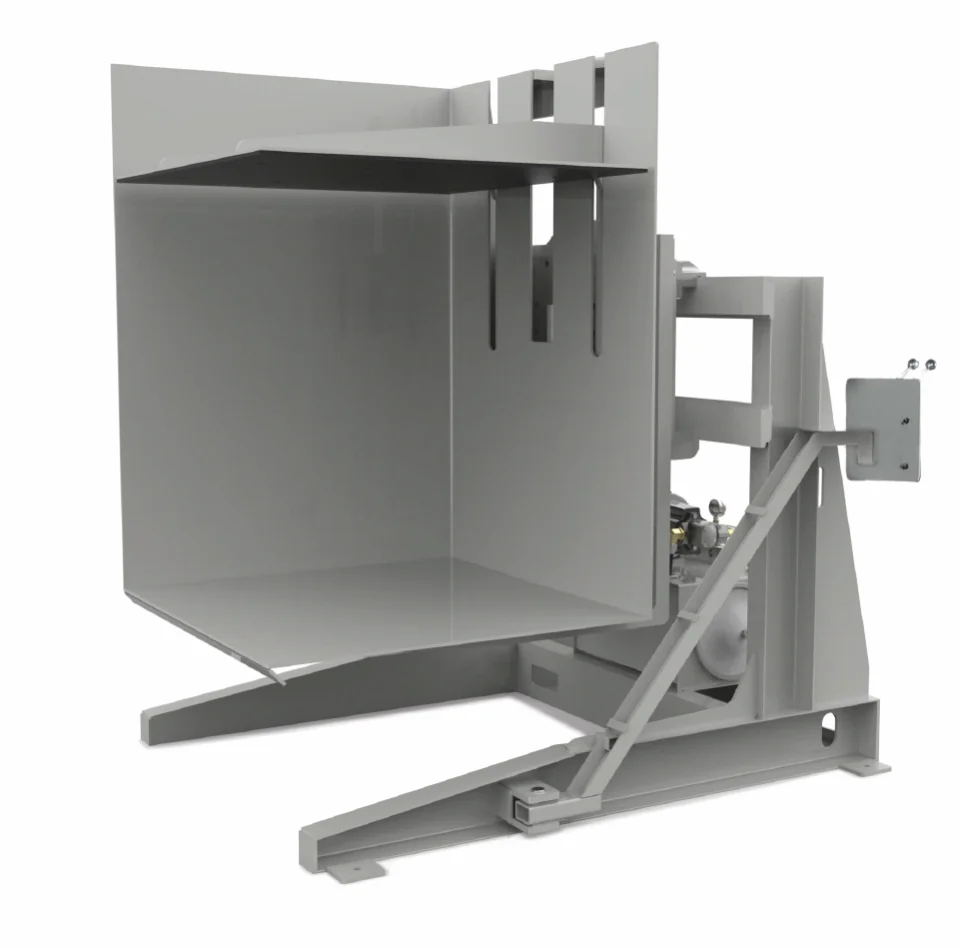
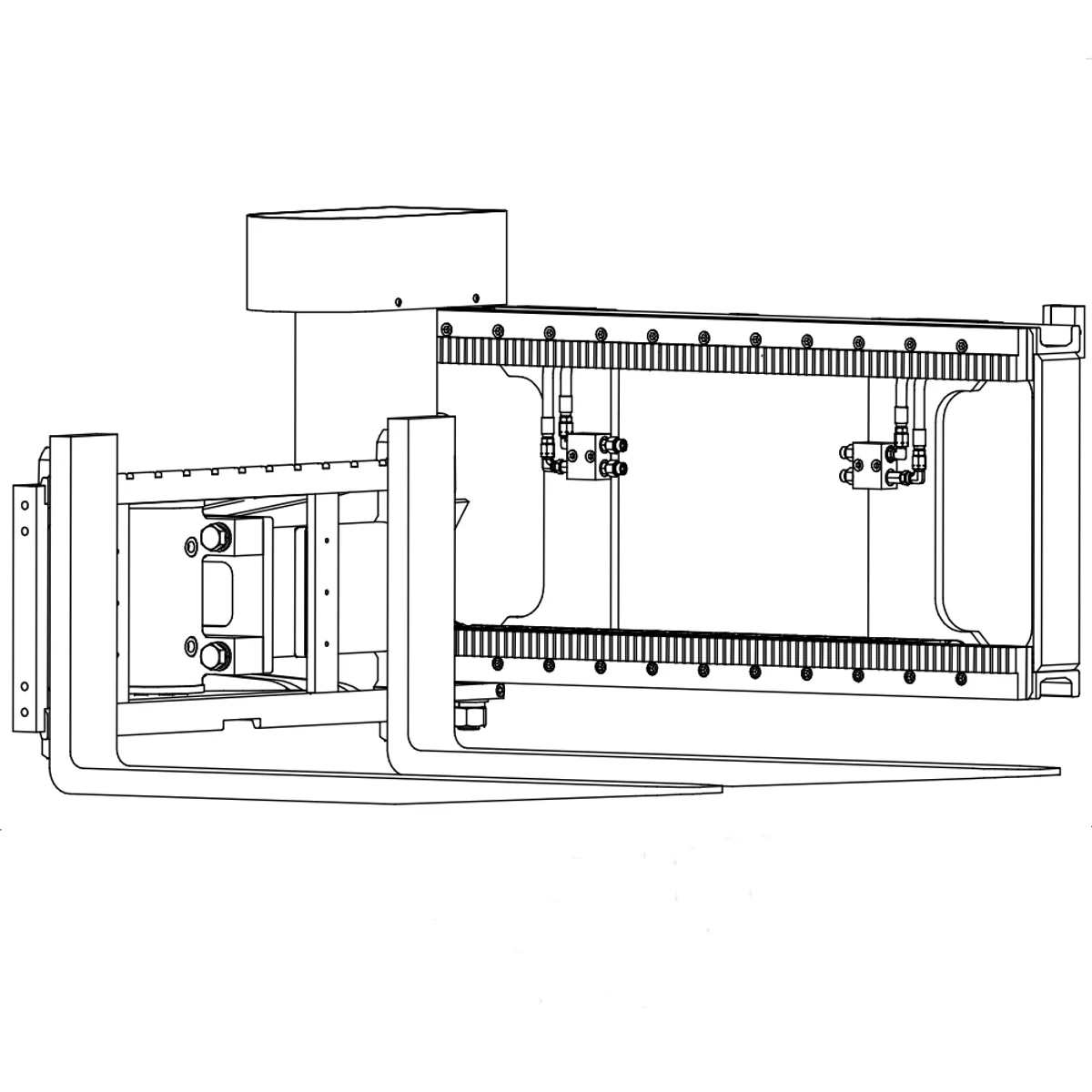
Forklift attachments clamp loads that cannot sit on a pallet: billets, appliances, cartons, drums and barrels. A forging clamp grips billets and forged components with a 150–650 mm arm range and a 3000 kg capacity on ISO 3A mounting, built for the heat and abrasion of a steel plant. A rotating forklift attachment adds 360° rotation so a load can be turned, dumped or indexed without the operator leaving the seat — the same principle used by a pallet inverter forklift attachment when the goal is to transfer a load between pallets or invert it for inspection.
Special attachments for pipes, pallets and narrow aisles
A pipe stabilizer holds steel pipe during lifting and transport with a dual effective thickness structure and a pipe range from 50–900 mm, in capacities from 4000 kg to 12000 kg. A pallet converter grips and turns palletized loads with a 600–1900 mm arm range and 2000 kg capacity for warehousing and distribution. For high-density storage, a tri-lateral head unit stacks left, front and right while rising or falling, with 180° horizontal rotation and lateral side shift so the truck works in narrow aisles without turning.
Mechanical and bulk handling attachments
Mechanical units do the work without hydraulics. A bag lifter carries bags by prong or hook in slip-on or mounted form up to 2000 kg. A pallet hook uses adjustable body height and fork spacing with an adjusting ring for balance, rated to 2200 kg, and is widely used with cranes and lifting equipment in transport and construction. For loose material, the DBHS-20 hydraulic bucket mounts by pocket hooks and uses 45°/45° hydraulic tilt to load and dump sand, gravel, coal or construction debris at a 2000 kg capacity and 0.8 m³ volume.
Forklift attachment comparison table
| Attachment | Mounting | Capacity | Range / size | Typical use |
|---|---|---|---|---|
| Pipe Stabilizer PSB40A-1200B | ISO 3A | 4000 kg | Pipe 50–520 mm | Steel pipe lifting and transport |
| Pipe Stabilizer PSB120A-2500 | ISO 3A | 12000 kg | Pipe 100–900 mm | Heavy pipe handling |
| Pallet Converter SLI20D-004 | Carriage | 2000 kg | Arm 600–1900 mm | Palletized load turning and transfer |
| Tri-lateral Head Unit ATS10D-1580A | ISO 2A | 1000 kg | 180° rotation, side shift | Narrow-aisle stacking |
| Forging Clamp AFG30D-001B | ISO 3A | 3000 kg | Arm 150–650 mm | Billets and forged components |
| Bag Lifter BBF2000 / BBP2000 | Slip-on 180x60 mm / ISO 2A | 2000 kg | Prong or hook | Bag carrying |
| Pallet Hook PHD2200 | Hook / crane | 2200 kg | Adjustable spacing | Transport and construction |
| DBHS-20 Hydraulic Bucket | Pocket 188×76 mm | 2000 kg | 0.8 m³, 45°/45° tilt | Sand, gravel, coal, debris |
Capacities shown are attachment ratings. Always confirm the derated capacity of the combined truck and attachment at your actual load center before lifting.
Capacity, load center and the derate you must not ignore
An attachment adds weight in front of the carriage and pushes the load further from the mast. Both effects reduce what the truck can safely lift, and the reduction is larger than most buyers expect. The attachment's own weight, its effective thickness and its horizontal center of gravity all feed into the calculation.
Two examples from WONTONNE's range show how the numbers move. The DBHS-20 hydraulic bucket weighs 468 kg with an effective thickness of 750 mm and a horizontal center of gravity of 1015 mm. The PSB120A-2500 pipe stabilizer weighs 1440 kg with an effective thickness of 210 mm. On a nominally matched truck, those figures can consume a substantial share of the rated load before any pipe or gravel is picked up.
Before ordering, gather four figures: the attachment weight, the attachment's horizontal center of gravity, the truck's rated capacity at the intended load center, and the actual load center you will run. If you cannot obtain them, ask the manufacturer — a supplier who cannot state them is not engineering the attachment.
Hydraulic requirements
Hydraulic forklift attachments need a valve section, flow and pressure within the truck's auxiliary circuit range, and clean oil. Rotators, clamps, buckets and tri-lateral heads all fall into this group. Confirm the number of auxiliary functions required — a clamp with rotation needs two — and check that the carriage or hose reel arrangement allows the attachment to be changed without losing hydraulic connection under pressure.
Buying checklist: forklift attachments for sale
When you compare forklift attachments for sale, whether from WONTONNE or from sources offering titan forklift attachments, the evaluation criteria are the same.
- Define the load: material, dimensions, weight, fragility and whether it is palletized.
- Define the environment: indoor narrow aisle, outdoor yard, high-temperature steel plant, or uneven ground.
- Match the mounting class to your carriage and confirm the interface dimensions.
- Calculate the derated capacity at your real load center, not the nominal figure.
- Confirm hydraulic functions, flow and pressure if the attachment is powered.
- Check the change-over method: slip-on, hook-type carriage or quick-change system.
- Confirm spare parts and technical support availability over the service life.
A three point forklift attachment, jib forklift attachments and other lifting-arm designs follow the same logic: the arm length sets the load center, and the load center sets the capacity. Longer arm, lower capacity — always.
Frequently asked questions
What is the difference between a slip-on and a carriage-mounted forklift attachment?
A slip-on attachment fits over the existing forks and is held by pins or clamps; it needs no hydraulics and is quick to fit. A carriage-mounted attachment replaces the forks, hooks onto the carriage by mounting class, and is normally heavier and hydraulic. Slip-on units suit occasional tasks; carriage-mounted units suit repetitive, high-load or precision work.
Does adding an attachment reduce my forklift's lifting capacity?
Yes. The attachment's own weight and its effective thickness move the load center forward, so the truck's rated capacity must be derated. The heavier and thicker the attachment, the greater the reduction. Always calculate capacity at the actual load center for the combined truck and attachment.
How do I choose between a clamp, a rotator and a pallet converter?
Choose a clamp when the load has no pallet and must be gripped by its sides, such as billets or cartons. Choose a rotating forklift attachment when the load must be turned or dumped. Choose a pallet converter when palletized loads need to be gripped, turned, transferred or stacked without damage.
Next step
Send WONTONNE the load dimensions, weight, material and your truck's carriage class, and we will recommend the attachment model and confirm the derated capacity before you commit. Browse the full range at all forklift attachments or contact WONTONNE for a specification review and quotation.