
A gas cylinder cage is a ventilated steel enclosure that keeps LPG, propane, oxygen and other compressed gas cylinders upright, separated and locked away from unauthorised access. It is the practical middle ground between leaving cylinders loose against a wall and building a full masonry gas store. For anyone specifying a cylinder cage for lifting, storage or both, the decisions come down to four things: how many cylinders and what sizes, where the cage sits, how it is ventilated, and how the cylinders get in and out. This guide covers those decisions and explains where a forklift-mounted drum clamp fits into the workflow.
What a gas cylinder cage actually does
A cage has one primary job: keep cylinders vertical and contained. A dropped or rolling LPG cylinder can shear its valve, and a sheared valve on a full cylinder turns a routine housekeeping task into an emergency. Cages solve that by giving every cylinder a defined position, usually a steel base with retaining rails or dividers, surrounded by mesh or bar sides.
Beyond containment, a cage does three more things:
- Ventilation. Open mesh sides allow leaking gas to disperse rather than accumulate. Enclosed cabinets are only appropriate where the design specifically vents to atmosphere.
- Security. A lockable door or hasp keeps cylinders out of reach of untrained staff, contractors and the public.
- Segregation. Fuel gases and oxidisers such as oxygen should not share a compartment. A divided cage keeps incompatible cylinders apart while keeping them in one controlled location.
This is why a screened cage with a large proportion of open area is preferred over a sealed box for outdoor storage of fuel gas.
Sizing: from a 9kg cylinder cage to a 48 kg gas cylinder cage
The most common specification mistake is buying for today's cylinder count and ignoring tomorrow's. Cylinder sizes vary widely by market — a small domestic exchange bottle at one end, a large industrial cylinder at the other — and cages are usually described by how many bottles of a given size they hold.
When you size a cage, work through this list:
- Cylinder diameter and height. Measure the largest cylinder you will ever store, not the average. A cage sized around a 9kg gas cylinder cage footprint will not accept a 48 kg gas cylinder cage load.
- Quantity and growth. Add at least one spare position. Cylinder counts creep upward with site activity.
- Access direction. Doors on the long side suit a wall-mounted position; a cage loaded by forklift usually needs the open face pointing at the traffic route.
- Base and drainage. Cylinders should stand on a firm, level, well-drained surface, not on bare ground that softens in wet weather.
- Locking. Decide whether the lock is a padlockable hasp, a magnetic catch with a separate lock, or a full door. Security requirements drive this, not preference.
Indoor, outdoor and home installations
An outdoor gas cylinder cage is the default for LPG and propane because natural air movement does the ventilation work. For a gas cylinder cage for home use — a domestic LPG bottle for heating or cooking — the same principles apply at smaller scale: outside the building, on a level base, away from doors, windows, drains and ignition sources, with the cylinder restrained so it cannot fall. An oxygen cylinder cage follows the same logic but should be kept clear of grease, oil and fuel gas storage.
Compliance and site requirements to check before you buy
Requirements differ by country and by site. Rather than quoting a single standard as universal, verify the rules that apply to your location and your gas. In practice, most regulations and insurer requirements converge on the same themes:
- Cylinders stored upright and secured against falling.
- Storage areas ventilated so any leak disperses, with open-area cage sides rather than sealed enclosures for fuel gas.
- Fuel gases separated from oxygen and other oxidisers.
- Cages located away from ignition sources, heat, drains and basement access.
- Clear signage identifying the gas and the hazards.
- Cylinders protected from vehicle impact — a real risk where a cage sits beside a loading route.
If your site operates under a formal safety management system, treat the cage as part of that system: record what is stored, who holds the key, and how cylinders are moved in and out.
Moving cylinders safely: cylinder cage for lifting and forklift handling
Storage is only half the problem. Cylinders have to be loaded into the cage, moved between the store and the point of use, and rotated out when empty. Manually dragging a full cylinder is where most incidents start, and a cylinder cage for lifting only helps if the lifting method itself is controlled.
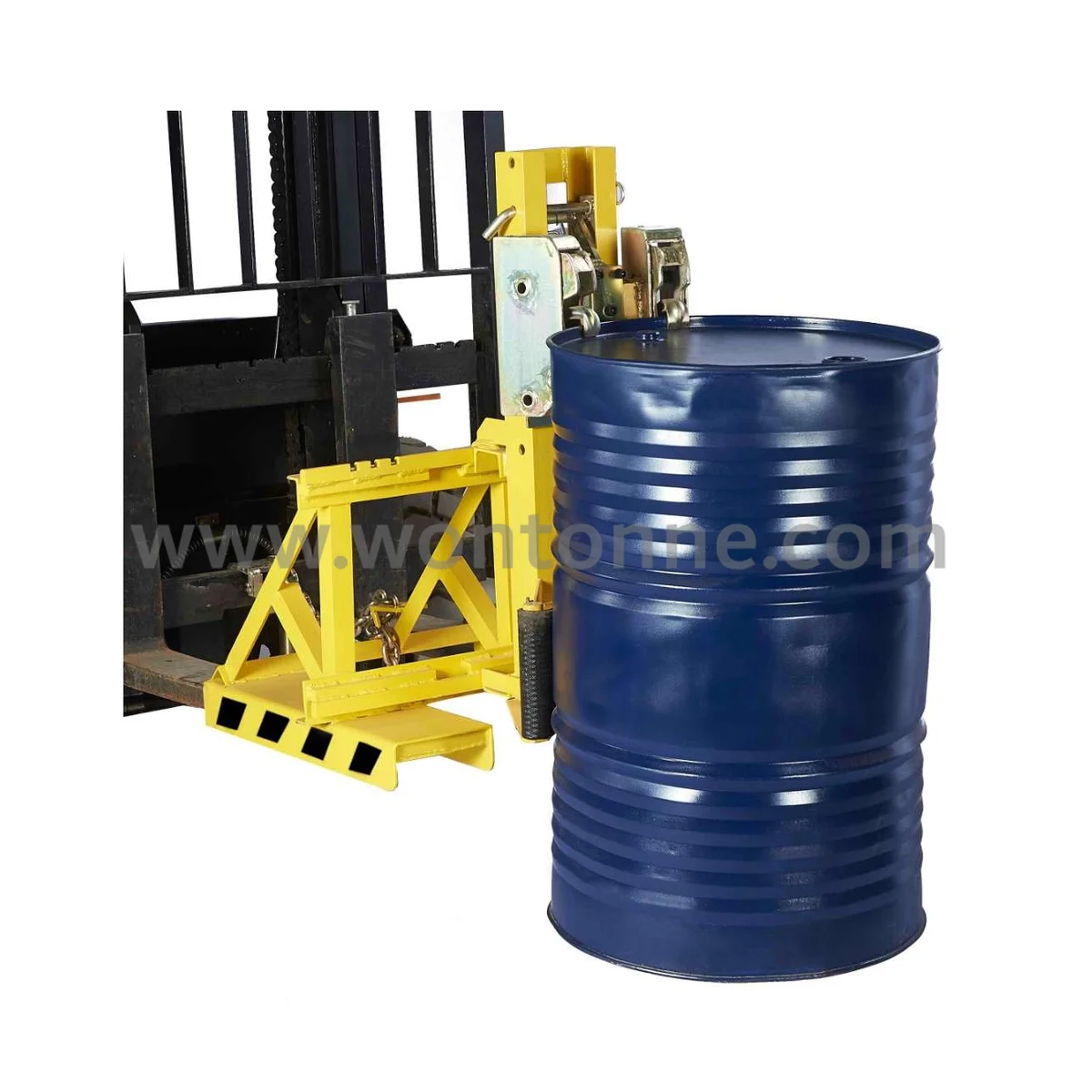
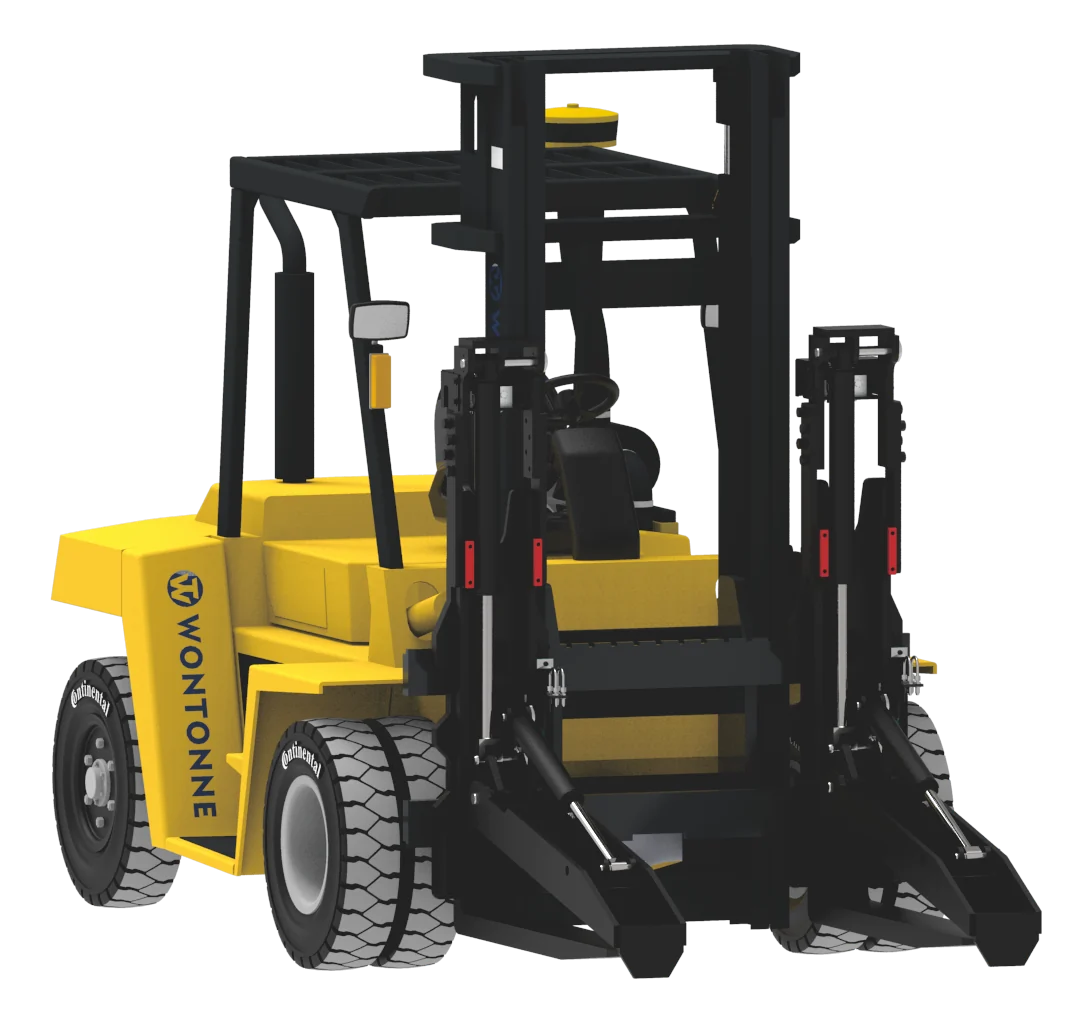
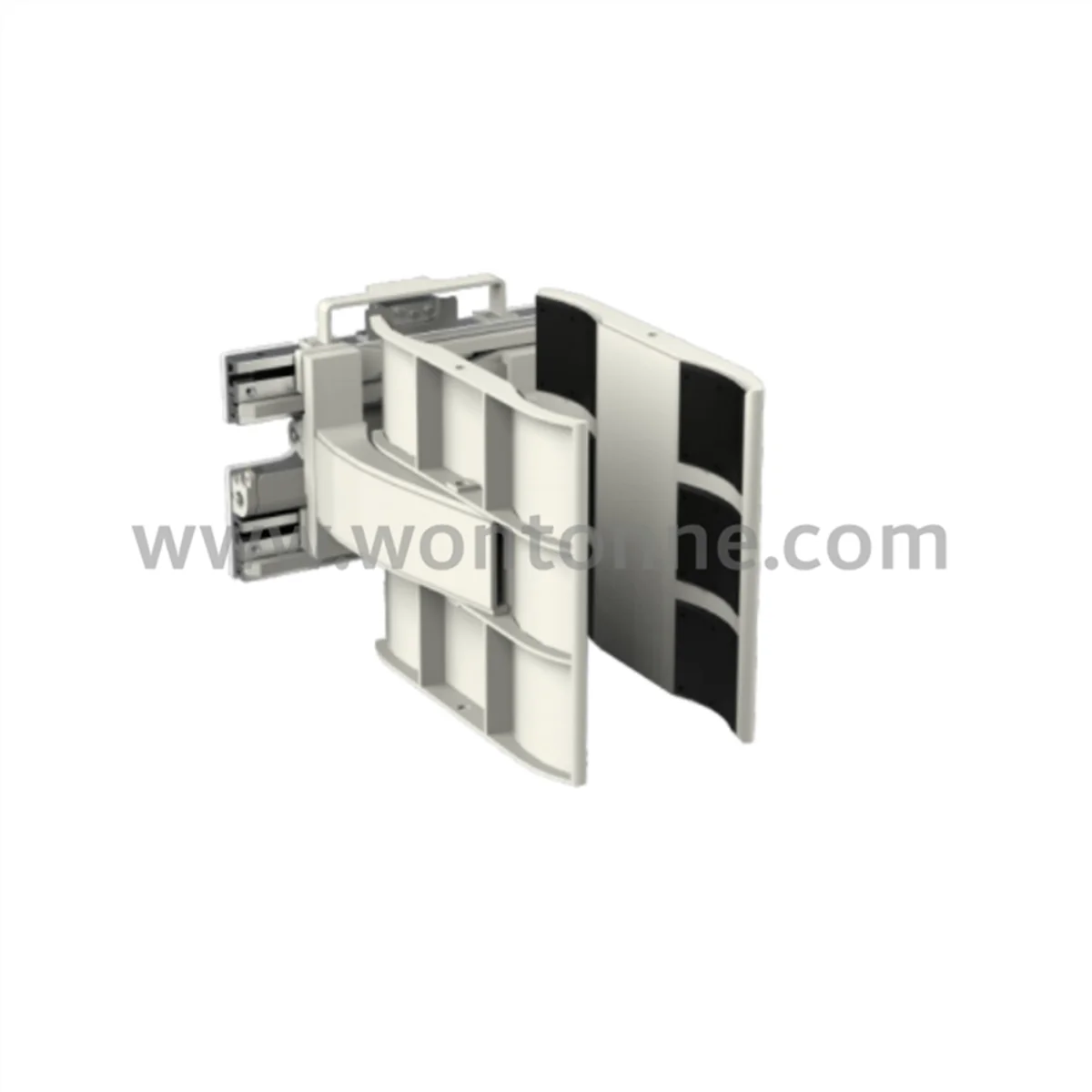
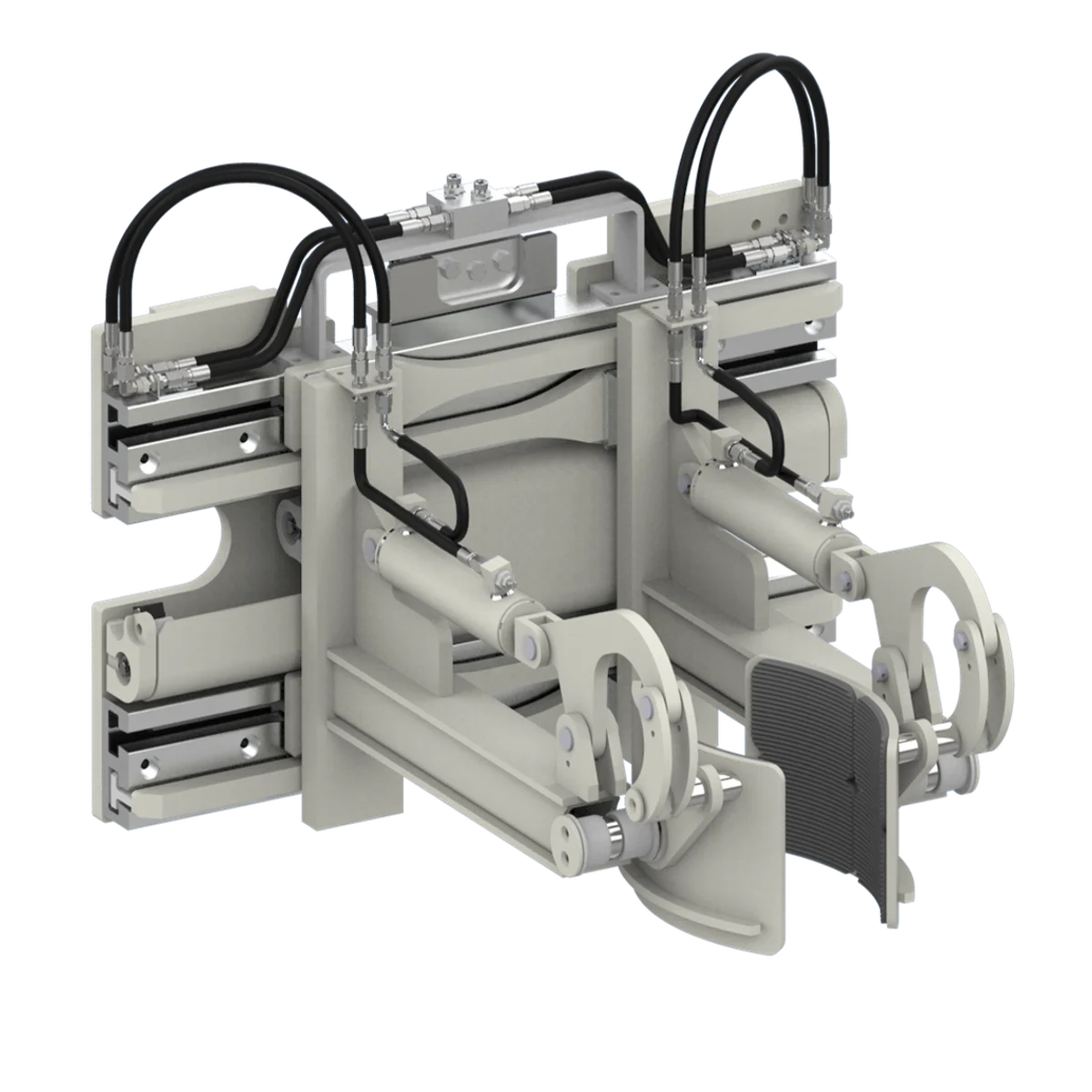
For palletised or crated cylinders, a forklift with the right attachment is the practical answer. WONTONNE builds drum clamps that grip cylindrical loads directly, without pallets, which suits drum and cylinder-shaped loads handled in oil, petrochemical and food operations:
- 2 Drum Clamp (Side Shifting / Revolving) — carries two drums at a time with side shifting and a revolving function for stacking, capacity up to 1900kg.
- 4 Drum Clamp (Side Shifting / Revolving)">4 Drum Clamp (Side Shifting / Revolving) — carries four drums at a time for higher-volume movement, capacity up to 1600kg.
- 2 Drum Clamp Heightening Type — higher arms for taller drums, with side shifting and revolving, capacity up to 1900kg.
- 4 Drum Clamp Heightening Type — four drums at a time with higher arms, capacity up to 1600kg.
- Drum Clamp (Tipping Type) — picks up, transports and puts away cylindrical loads with up to 90° hydraulic tilting for controlled pouring, capacity up to 1000kg.
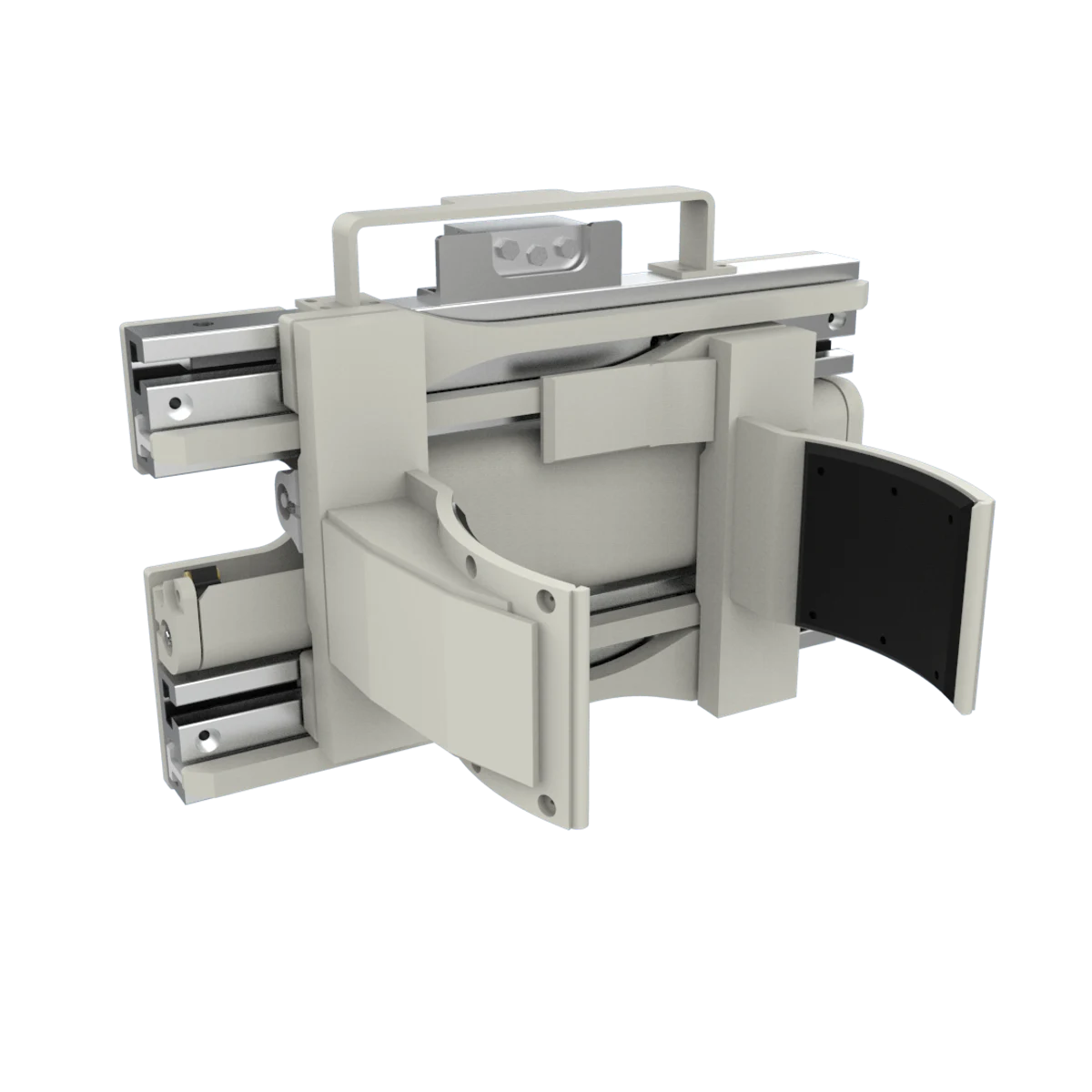
All of these use rubber-vulcanised clamp arms, which grip the cylinder body without damaging the surface, and they mount to major forklift brands. The heightening variants matter when cylinder or drum height exceeds what a standard arm opening will reach cleanly.
Matching the attachment to the cylinder
A drum clamp is not a substitute for a certified lifting cage or sling when the task is overhead lifting of a single cylinder. Use the attachment for what it is designed for — horizontal gripping, carrying and stacking of cylindrical loads at ground level and racking height — and use rated lifting equipment for vertical lifts. The distinction keeps the operation inside the attachment's rated capacity and load centre.
| WONTONNE attachment | Loads per cycle | Capacity | Key function |
|---|---|---|---|
| 2 Drum Clamp (Side Shifting / Revolving) | 2 | Up to 1900kg | Side shift and revolve for stacking |
| 4 Drum Clamp (Side Shifting / Revolving) | 4 | Up to 1600kg | High-volume drum movement |
| 2 Drum Clamp Heightening Type | 2 | Up to 1900kg | Higher arms for tall drums |
| 4 Drum Clamp Heightening Type | 4 | Up to 1600kg | Higher arms, four-drum loads |
| Drum Clamp (Tipping Type) | 1 | Up to 1000kg | Up to 90° hydraulic tilt for pouring |
What drives gas cylinder cage price
Cage pricing is rarely about the mesh. It is driven by steel gauge, base construction, the number of cylinder positions, door and locking hardware, coating for outdoor life, and whether the cage is a stock size or a custom build. A small single-bottle cage and a multi-bottle outdoor unit with a lockable door and a reinforced base are different products, and the gap in gas cylinder cage price between them reflects material and fabrication, not branding.
The cheapest cage is the one that fits correctly the first time. A cage that is too small, too tall to load safely, or positioned where a forklift cannot reach it will be worked around, and working around a safety enclosure defeats its purpose.
FAQ
Can I store an LPG cylinder cage indoors?
Fuel gas cylinders are normally stored outdoors in a ventilated cage so any leak disperses. Indoor storage is only appropriate where the space is specifically designed and ventilated for it, and where local rules permit it. If in doubt, keep LPG and propane outside in an outdoor gas cylinder cage and confirm the requirement with your local authority.
How many cylinders should a cage hold?
Size for peak stock plus one spare position. Cages are commonly described by the number of bottles of a given size they accept, so match the cage to the largest cylinder you will store and the busiest day you expect, not the average.
Can a forklift drum clamp be used to lift gas cylinders?
A drum clamp is designed to grip, carry and stack cylindrical loads horizontally within its rated capacity and load centre. It is not overhead lifting equipment for a single cylinder. Use rated lifting gear for vertical lifts and a drum clamp for horizontal handling, loading and stacking.
Next step
If your site stores LPG, propane or oxygen cylinders and moves them by forklift, the cage and the attachment should be specified together. WONTONNE has over 20 years of experience manufacturing forklift attachments and material handling equipment for export markets, and can match a drum clamp to your cylinder dimensions, forklift class and throughput. Review the full range on our forklift attachments page, then contact WONTONNE with your cylinder sizes and daily volume for a specification recommendation.