
When you search for scrap metal bins for sale, the catalogues all look similar: welded steel boxes with fork pockets and a price. The differences that decide whether a bin survives ten years of cast iron and bushy turnings are in the specification — plate thickness, drain design, lifting points and, above all, how the bin is picked up. This guide explains what to check before you buy, how bin capacity interacts with your forklift, and which attachments let one truck handle bins, bales and loose scrap without a fleet of dedicated machines.
What separates a good scrap metal bin from a cheap one
A scrap bin is a wear item. It is dropped, dragged, overloaded and filled with material that punches holes in thin plate. Buyers who compare only price usually replace bins years earlier than necessary. The specification points that matter most are:
- Plate thickness and weld quality. Heavier plate resists impact from heavy, irregular scrap and holds shape under stack loading.
- Drain provision. Smooth gravity-drain bottoms let coolant, oil and rainwater escape instead of pooling and adding unplanned weight.
- Fork pockets or runners. The bin must accept the forks cleanly at the load centre the truck is rated for.
- Lifting points. Crane lugs, if used, must be designed for the full-bin weight, not the empty bin.
- Stackability. If floor space is tight, the bin footprint and corner posts must allow safe stacking when empty or loaded.
None of these features are visible in a thumbnail photo. Ask for the plate gauge, the drain configuration and the rated load before comparing quotes.
Matching bin capacity to your forklift, not the other way round
The most common specification error is sizing the bin by volume and then discovering the loaded weight exceeds the truck's capacity at the load centre. A 64 x 48 inch bin filled with cast iron will far outweigh the same bin filled with aluminium swarf. The bin's rated capacity means little if the forklift cannot lift it safely.
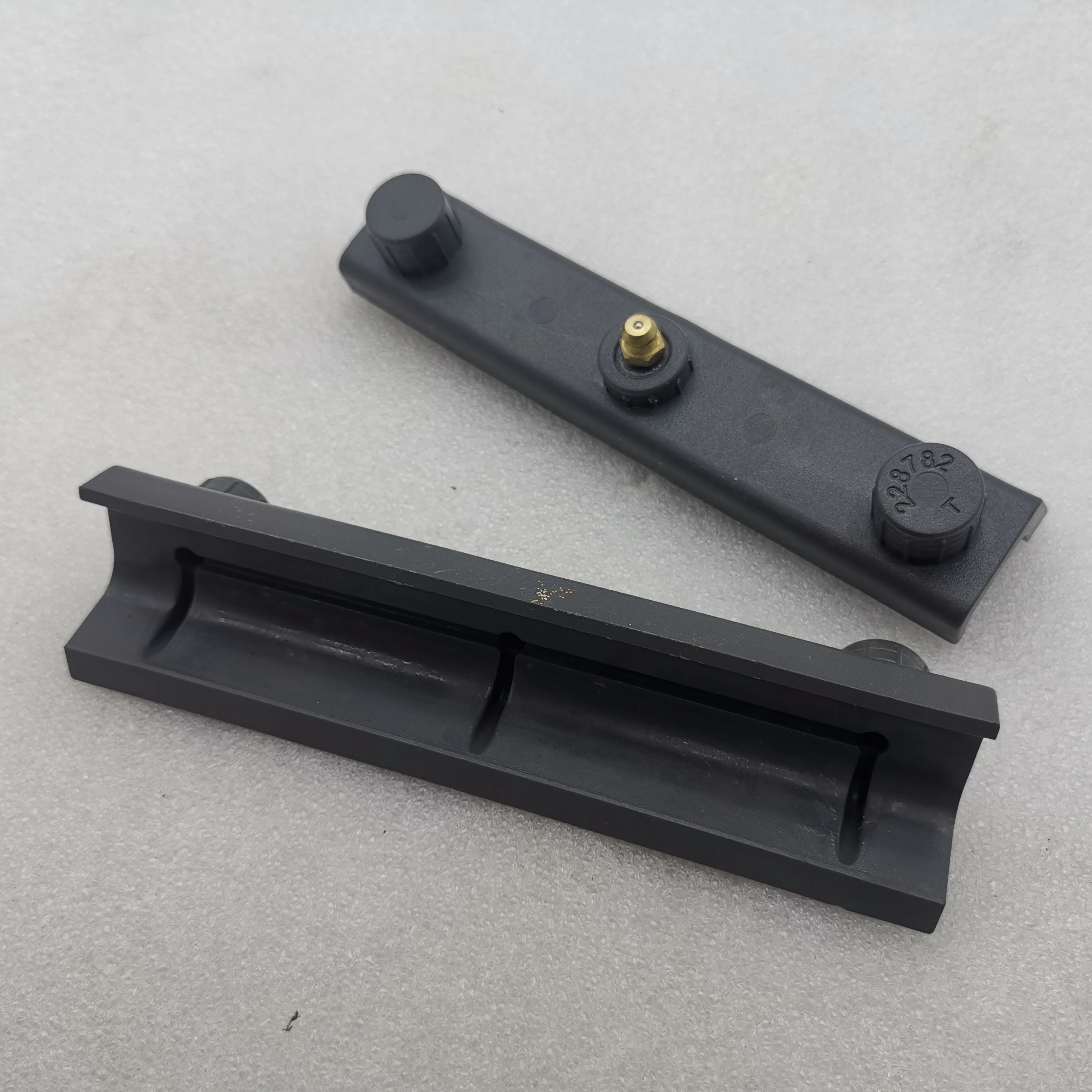
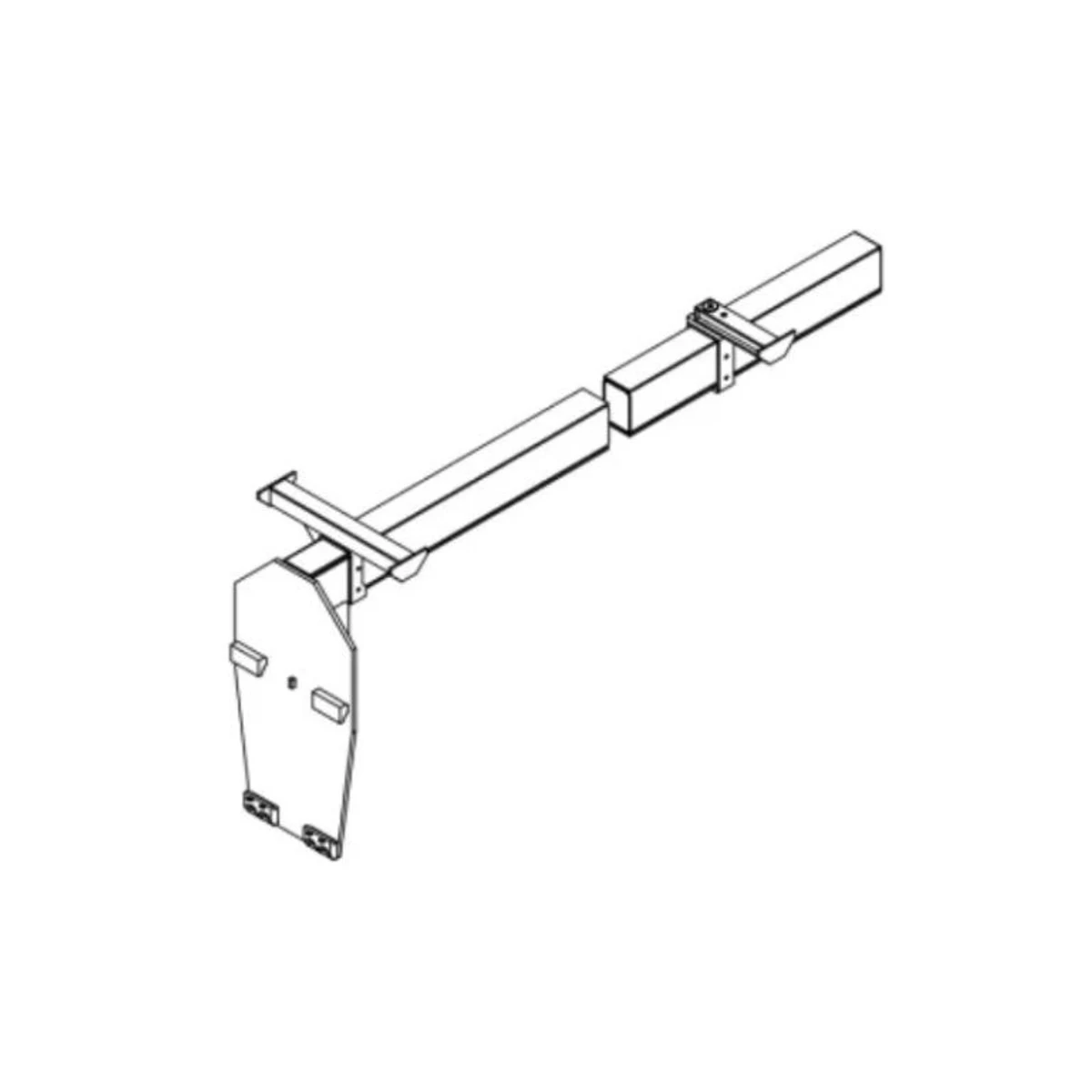
Work backwards from the truck. Establish the attachment weight, add the empty bin weight and the maximum material weight, then confirm the total against the forklift's capacity at the actual load centre. If the numbers are close, choose a smaller bin or a higher-capacity truck. For trucks in the 3,000–4,000 kg class, forklift forks with ISO 3A mount provide the load connection; lighter 1,200–2,500 kg trucks typically use ISO 2A forks. Both are available in multiple lengths so the fork tip clears the bin pocket without reducing effective capacity.
Handling methods: forks, clamps and rotating attachments
How the bin is picked up determines cycle time and safety. Three approaches dominate scrap yards and foundries:
Fork entry into pockets or runners
The simplest and most common method. The bin sits on the ground or on a stand; the forklift enters the pockets, lifts and transports. It requires a level surface and enough clearance for the fork tips.
Clamping the bin body
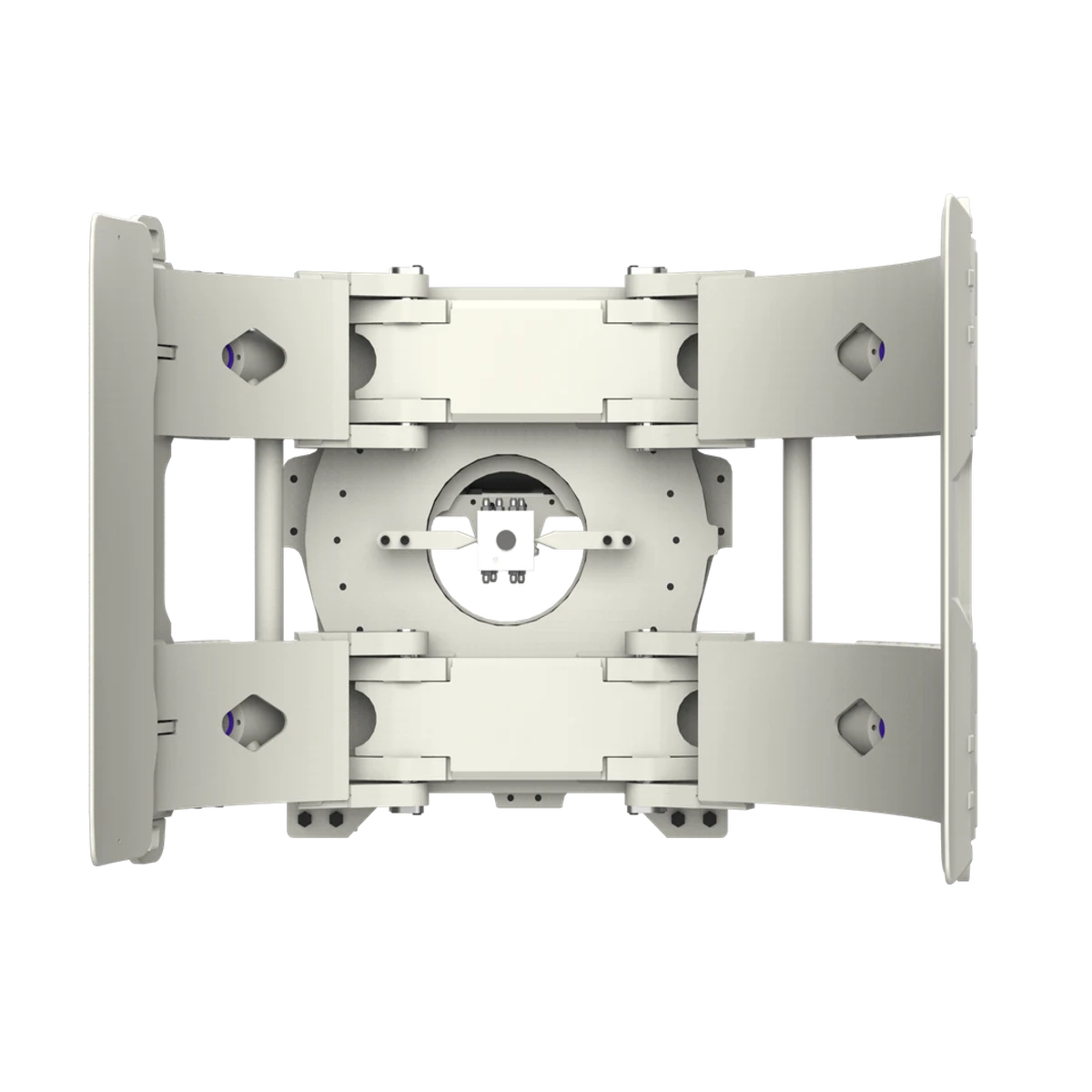
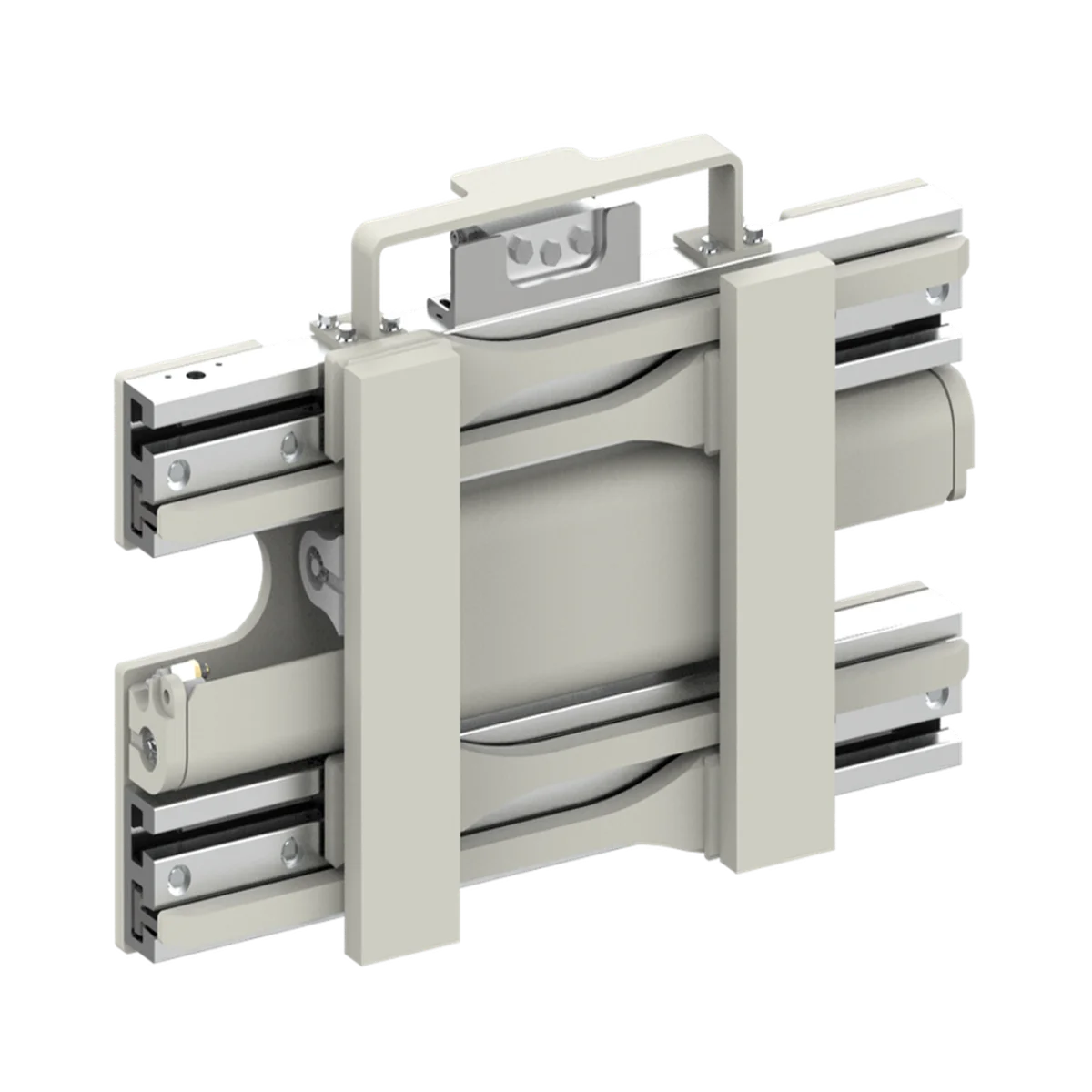
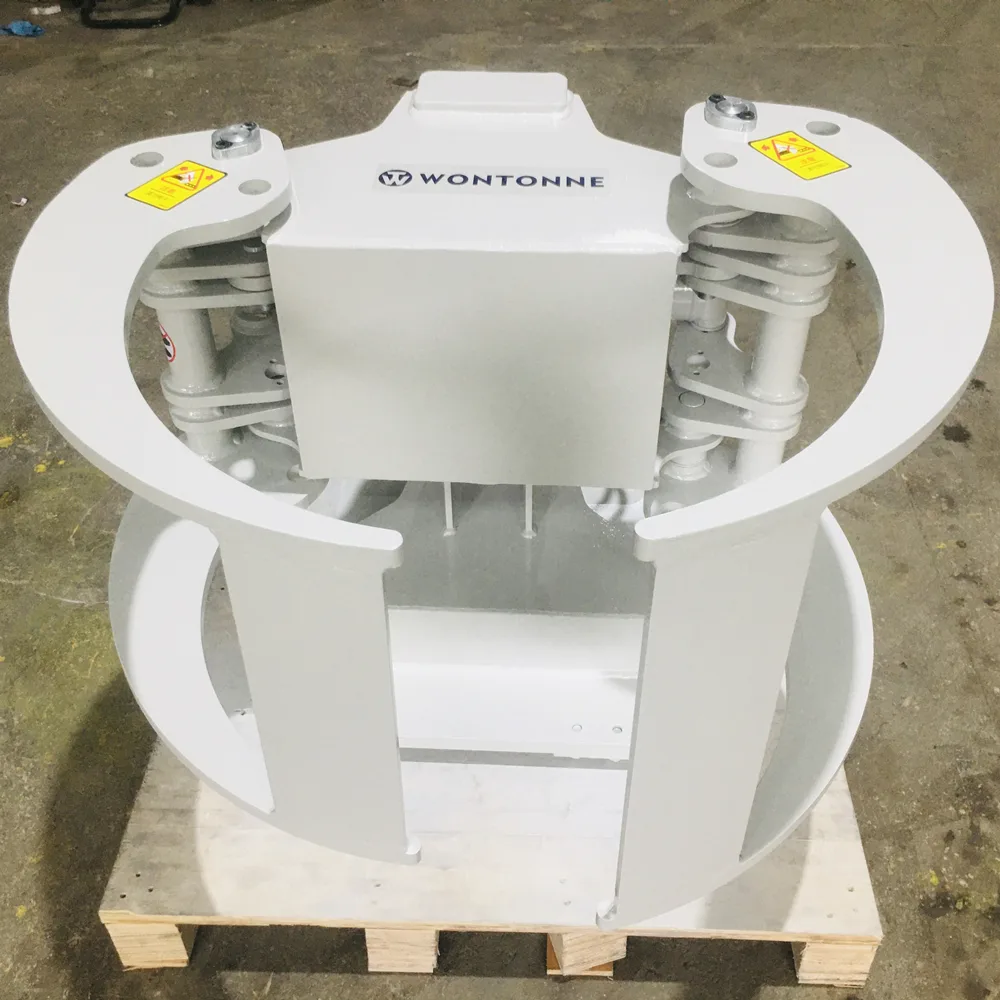
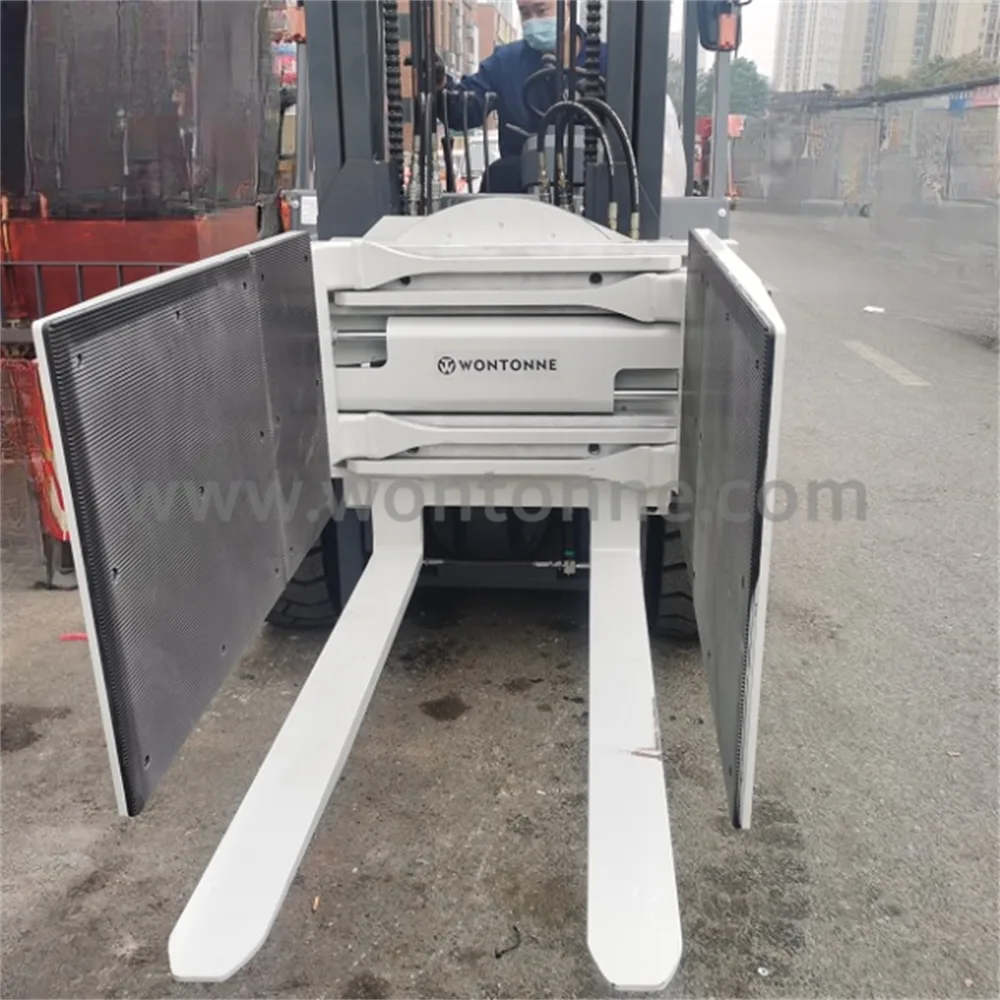
For bins without pockets, or where the operator needs to pick from a stack, a clamp grips the side walls. WONTONNE's multi-purpose clamps (revolving) handle metal containers and baled products with 360-degree rotation, which is useful when a bin must be tipped or repositioned. The side-shifting version adds lateral adjustment for aligning with racks and trucks. Capacities run to 2,700 kg and 2,500 kg respectively, with several mounting classes available.
Rotating and tipping for discharge
Drop-bottom bins and roll-over boxes need a rotating head or a mast-mounted rotator. If your operation discharges by tipping, specify the bin's lifting points and the attachment's rotation range together; they are a system, not two separate purchases.
| Handling method | Typical bin type | Attachment | Best for |
|---|---|---|---|
| Fork entry | Pocket or runner bin | ISO 2A / 3A forks | General yard transport, mixed scrap |
| Side clamping | Smooth-wall or corrugated bin | Multi-purpose clamp, side shifting | Stack picking, tight aisles |
| Clamp and rotate | Bins and bales | Multi-purpose clamp, revolving | Tipping, positioning, baled scrap |
| Custom handling | Special containers | Custom attachment | Non-standard bins or mixed fleets |
Used scrap metal bins for sale: when they make sense
Used scrap metal bins for sale can be a sound purchase if you inspect them properly. Reconditioned solid and corrugated steel bins are widely traded, and for low-impact applications such as light swarf or storage they can cut capital cost significantly. The risks are predictable: fatigue cracks at the fork pocket welds, bent side walls that no longer clamp squarely, missing drain plugs and lifting lugs of unknown history.
Before buying used, check the pocket welds under load, confirm the bin still sits flat, and verify that any lifting points are rated and marked. If the bin will be handled by clamp, the side walls must be straight enough for the pads to grip. Where a used bin needs modification, a custom attachment is often cheaper than replacing the fleet.
Attachments that extend what one forklift can do
Scrap yards rarely handle only bins. The same truck may move bagged material, timber, glass or palletised loads. WONTONNE builds attachments that share the same carriage, so a single forklift can cover several tasks:
- Bag lifter for bagged scrap and dust, with slip-on or mounted installation and capacities to 2,000 kg.
- Log handler for timber and palletless log transport in yard and forestry work, to 1,000 kg.
- Glass handler with protective pads and extendable length for fragile plate, to 2,500 kg.
- Pallet hook with adjustable body height and fork spacing for crane and lifting equipment, to 2,200 kg.
All are compatible with major forklift brands and supported by WONTONNE technical service and spare parts. See the full range of forklift attachments for specification details.
Frequently asked questions
Can a standard forklift handle a full scrap metal bin?
Only if the combined weight of the attachment, the empty bin and the loaded material stays within the truck's rated capacity at the actual load centre. A bin rated for a given volume can still exceed the truck's limit when filled with dense scrap, so calculate the full-bin weight before choosing a bin size.
Are used scrap metal bins for sale worth the savings?
They can be, for light-duty or storage use. Inspect fork pocket welds, side-wall straightness, drain plugs and lifting lugs before purchase. If the bin will be clamp-handled, the walls must be straight enough for the pads to grip safely.
Do I need a clamp or forks to move scrap bins?
Forks are sufficient for bins with pockets or runners. A clamp is better for smooth-wall bins, stacked storage and tipping, and a revolving clamp adds 360-degree rotation for discharge and positioning. The choice depends on bin design and yard layout, not on bin price.
If you are specifying a new bin fleet or matching attachments to existing containers, send your bin dimensions and truck model to contact WONTONNE. Our engineers will confirm the attachment, mounting class and capacity that keep your scrap handling safe and productive.