
When snow closes a yard, dock apron or access road, the fastest way to reopen it is usually the machine you already own. A snow plough that slips onto the forks of a counterbalance truck turns a standard forklift into a snow and sludge clearing tool within minutes, working to the left and right without a dedicated winter vehicle. This guide explains how the attachment works, how to match blade and truck, and what to inspect before the first cold snap.
What a Snow Plough Attachment Actually Does
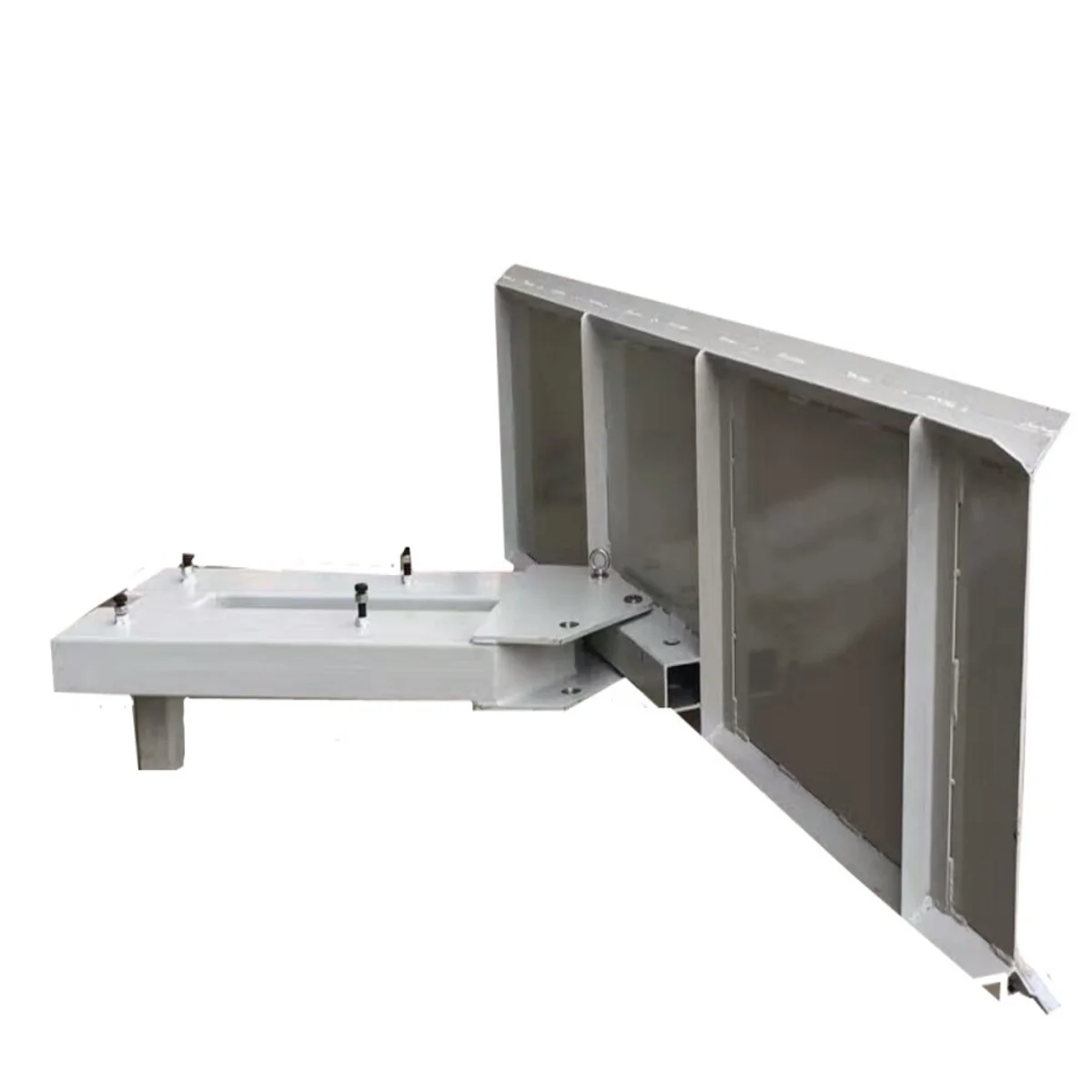
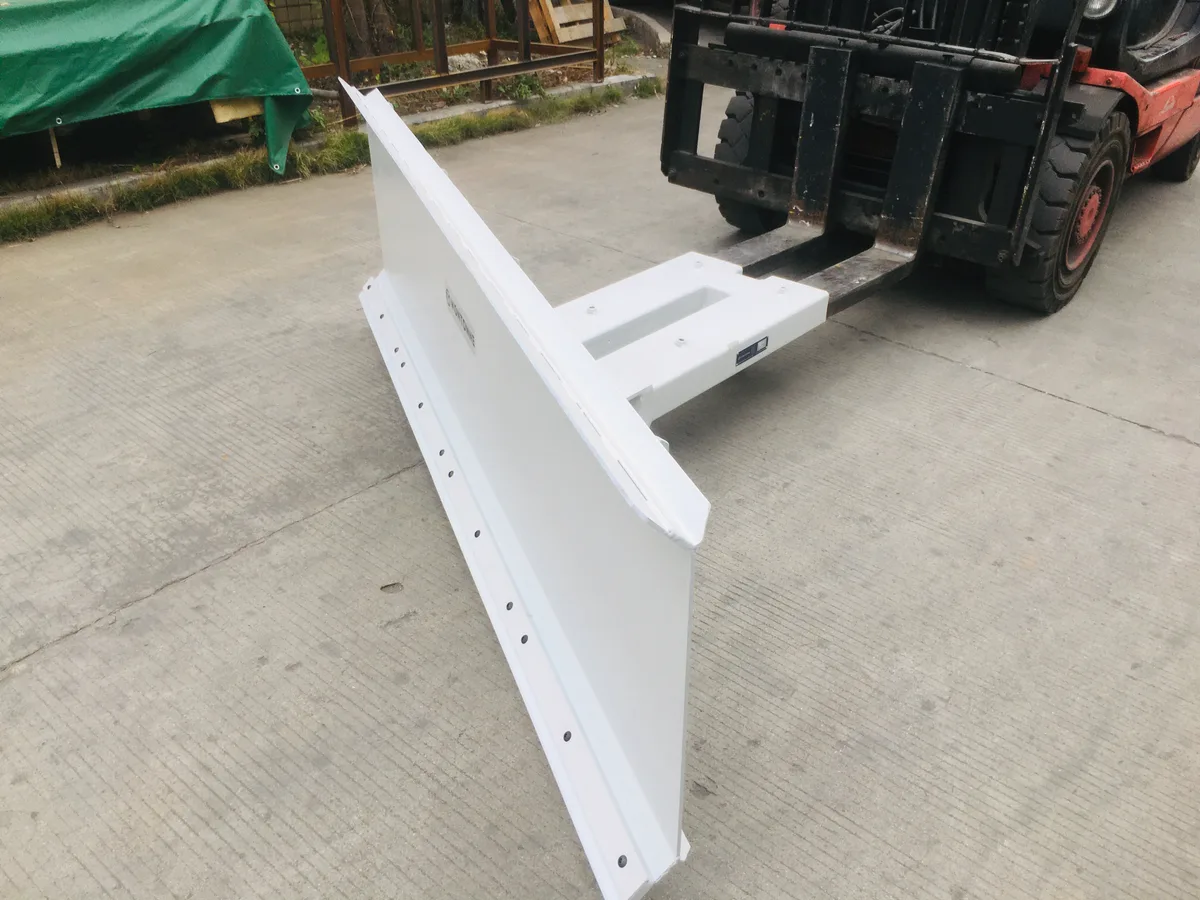
A snow plough attachment is a wide blade that mounts to a vehicle and pushes snow aside rather than lifting or throwing it. On a forklift or stacker, the blade is carried on the forks, angled to one side, and driven forward so the snow rolls off the leading edge and forms a windrow along the cleared path. The same geometry handles slush and sludge, which is why the attachment earns its place in yards that see freeze-thaw cycles rather than dry powder alone.
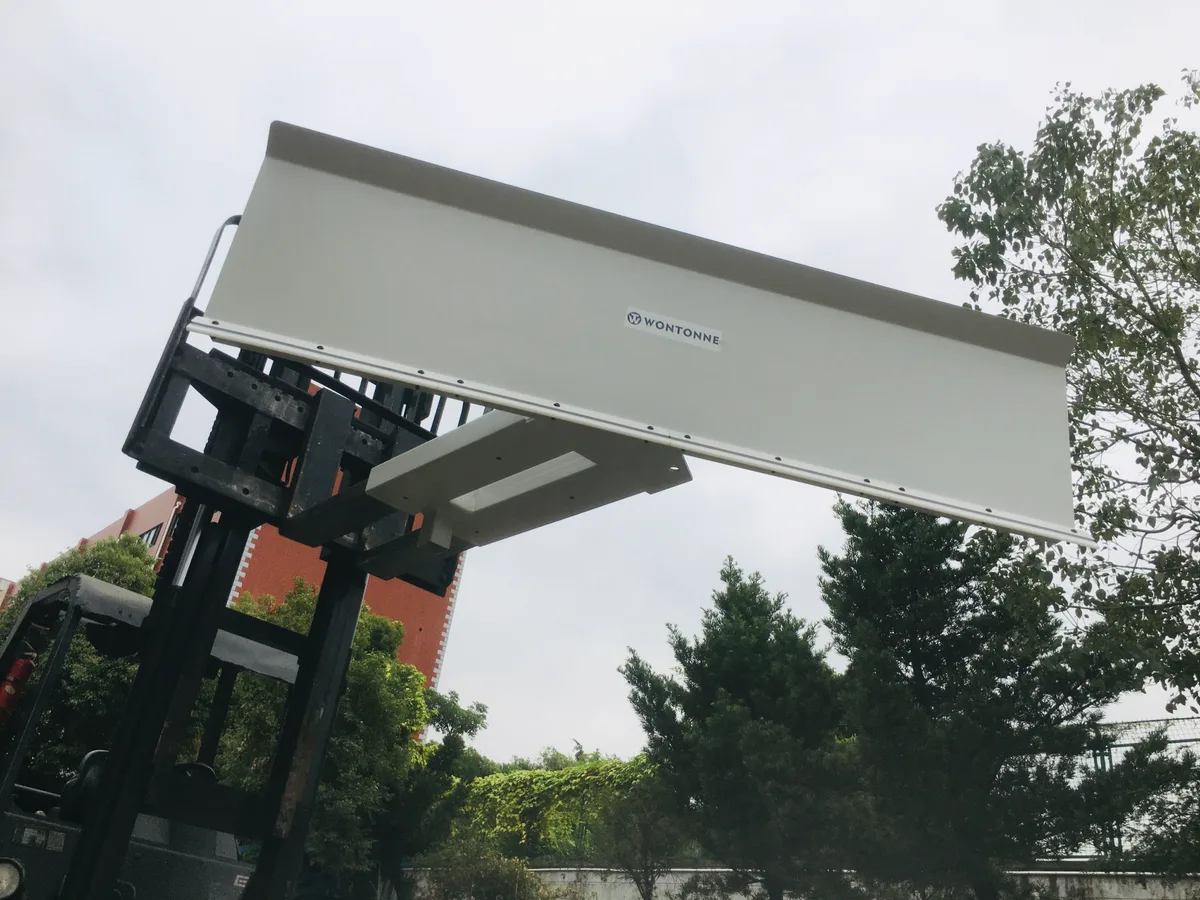
Because the blade pushes rather than scoops, the load on the mast stays lateral and low. That is the design principle behind the WONTONNE unit: a simple, effective frame with a wide blade, a slip-on installation, and a working capacity of up to 2000kg. It is intended for forklifts and stackers, and it works to the left and right so operators can clear along walls and around parked trailers without reversing the whole route.
Where it fits in a winter plan
Contract plow trucks handle public roads and long haul routes. The forklift snow plough covers the ground those trucks cannot reach economically: dock aprons, container yards, pedestrian walkways inside a facility boundary, and the strip in front of roller shutters. Used this way, the attachment shortens the window between snowfall and the first outbound truck.
Slip-On Mounting: Why It Matters in a Working Yard
The attachment is described as slip-on because it engages the existing forks rather than requiring a dedicated carriage or hydraulic circuit. In practice this means:
- No second machine kept idle for winter duty.
- Changeover in minutes, so the same truck can clear snow in the morning and move pallets in the afternoon.
- No extra hydraulic service work, because the blade is pushed, not actuated.
- Storage that takes a fraction of the floor space of a purpose-built snow vehicle.
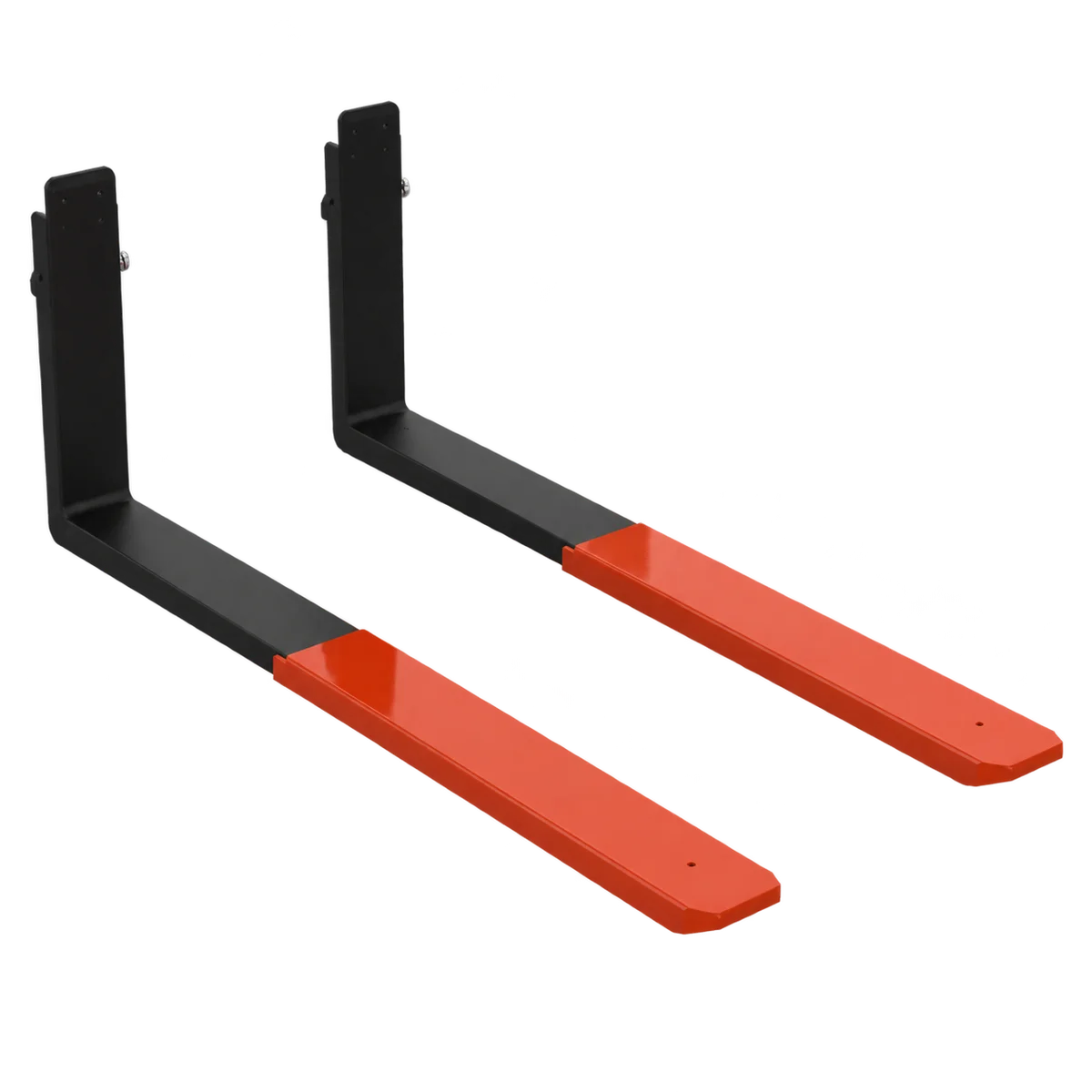
Fixed arm construction keeps the blade rigid under side load, which is where cheap winter attachments tend to flex and lose their edge. Before buying, confirm that the fork pockets suit your fork section and that heel pins or retention hardware lock positively. A blade that shifts on the forks is a handling risk, not a labour saving.
Choosing Between the SPE-13.5, SPE-16 and SPE-20
WONTONNE builds the snow plough in three fixed-arm models. They share the same working principle and differ mainly in size and weight, so the selection question is really about how much blade your truck can carry and how wide a path you need in one pass.
| Model | Arm type | Weight | Typical role |
|---|---|---|---|
| SPE-13.5 | Fixed | 172 kg | Narrow aisles, walkways and tight dock corners |
| SPE-16 | Fixed | 187 kg | General yard and apron clearing |
| SPE-20 | Fixed | 214 kg | Wide open yards and long straight runs |
Two rules keep the choice simple. First, the blade should be wide enough to clear your narrowest gate or doorway in a single pass, otherwise operators spend the shift repositioning. Second, the truck must stay stable with the blade fitted and raised — check the attachment weight against the truck's residual capacity at the relevant load centre rather than against its nominal rating. If you are unsure which of the three fits your fleet, the WONTONNE team can work through the numbers with you.
Matching the blade to the surface
Concrete and asphalt aprons are forgiving. Gravel and uneven hardstanding are not. On loose surfaces, keep the blade slightly clear of the ground and accept a thin residual layer, or the leading edge will collect stone and lose its line. On sealed surfaces the blade can run closer, and clearing efficiency improves noticeably.
Operating the Forklift Snow Plough Safely
Plowing changes how a forklift behaves. Traction drops, stopping distances grow, and the blade adds a lever arm in front of the mast. A few habits keep the job uneventful:
- Clear at low speed and steer with small corrections. Snow hides kerbs, drains and wheel stops.
- Work with the blade angled so snow discharges away from glass, doors and parked vehicles.
- Never use the blade to ram packed ice or frozen banks; break them up first or leave them for a loader.
- Watch the counterweight end as well as the front — a heavy blade alters the balance point on ramps and dock levellers.
- Keep the route marked. Driveway markers and painted lines are cheaper than a repair bill.
Because the blade works left and right, plan a route that pushes snow to a single collection line rather than scattering it across the yard. One clean windrow is easier to load out later.
Maintenance and Storage Between Snow Events
Road salt and standing slush are the two things that shorten the life of any winter attachment. Rinse the blade and frame after heavy use, inspect the leading edge for deformation, and check that fork pockets and retention hardware still grip firmly. Store the unit off the ground where meltwater can drain away, and keep it out of the path of reversing trucks.
WONTONNE supplies technical support and spare parts for the snow plough, so wear items and replacement components can be sourced without scrapping the attachment. That matters for buyers running multiple sites, where a single failed blade can idle a shift.
For operations that also move pallets through the same winter, it is worth reviewing the wider attachment range — see all forklift attachments — so the snow blade is specified as part of a coherent fleet rather than a one-off purchase.
Frequently Asked Questions
Can I use a snow plough attachment on a stacker as well as a forklift?
Yes. The WONTONNE snow plough is designed for forklifts and stackers, with a capacity of up to 2000kg. Confirm that the stacker's fork section and residual capacity suit the weight of the model you select, particularly with a larger blade such as the SPE-20.
Does the attachment need hydraulics or a special carriage?
No. It is a slip-on design with fixed arms, so it engages the existing forks and is pushed forward by the truck. There is no separate hydraulic circuit to install, which keeps changeover quick and maintenance simple.
Which model should I choose for a small yard?
For narrow aisles, walkways and tight dock corners, the lighter SPE-13.5 at 172kg is usually the better fit. Step up to the SPE-16 or SPE-20 only when the truck has the residual capacity and the site has the open width to justify a wider blade.
Get the Right Snow Plough Before Winter
Snow clearing is a scheduling problem as much as an equipment one: the sooner a yard reopens, the sooner outbound freight moves. A slip-on snow plough attachment lets an existing forklift or stacker handle that job without a dedicated winter vehicle. WONTONNE has built material handling equipment for over two decades and exports worldwide. Tell us your truck models, yard width and surface type, and we will confirm which SPE model suits your site. Contact WONTONNE to request specifications and pricing, or review the Snow Plow product page for full details.