
Fork lift fork extensions are sleeves or hydraulic mechanisms that lengthen the forks already on your truck so it can pick up loads that are longer than the carriage was designed for. They are one of the cheapest ways to expand what a lift truck can handle — but only if the extension is sized to the fork, the load and the truck's remaining capacity. This guide covers the three main designs, the sizing rules that matter, and the capacity arithmetic that too many buyers skip.
What fork lift fork extensions actually do
A standard fork is sized around a load centre — the horizontal distance from the fork face to the centre of gravity of the load. When a load is longer than the fork, the load centre moves out, the bending moment on the fork and carriage rises, and the truck's rated capacity falls. Fork lift fork extensions do not change that physics. What they do is give the load a full, stable bearing surface instead of letting it hang off the tips, which is what causes tipping, load shift and fork damage.
There are two broad families:
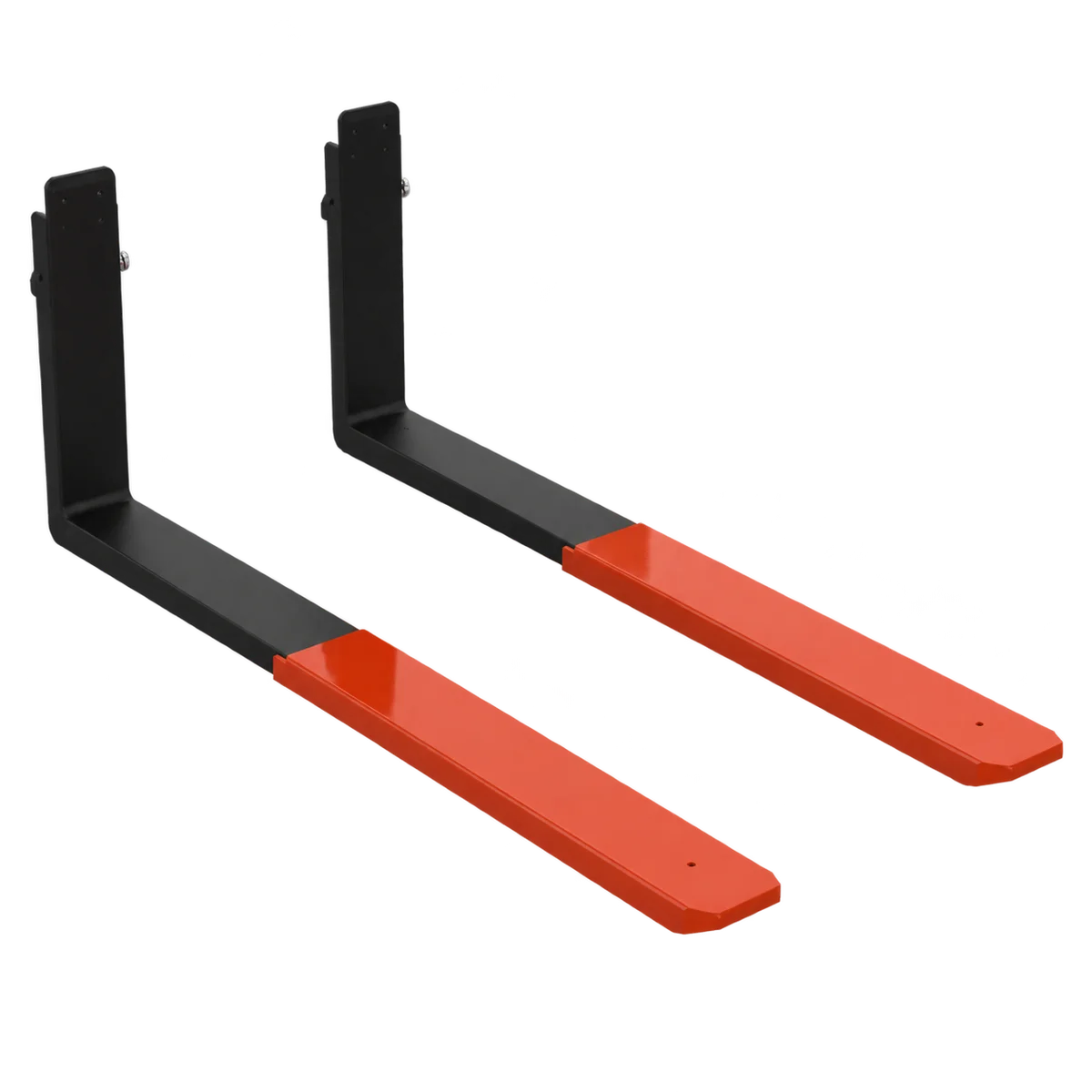
- Slip-on extensions — steel sleeves that slide over the existing fork blade and are retained by a loop, pin or heel stop. Low cost, no hydraulics, quick to fit and remove.
- Hydraulic telescopic forks — a complete fork assembly with an internal hydraulic stroke, so the operator extends and retracts the fork from the cab. Higher cost, but the extension stays on the truck and the reach is adjustable load by load.
WONTONNE builds both families, plus custom and application-specific forks, and has supplied them to export markets for over 20 years.
Slip-on extensions: closed bottom vs open bottom
Most buyers searching for pallet fork extensions are looking at slip-on sleeves. The choice between a closed-bottom and an open-bottom profile is the first real decision.
Closed-bottom (full sleeve) extensions
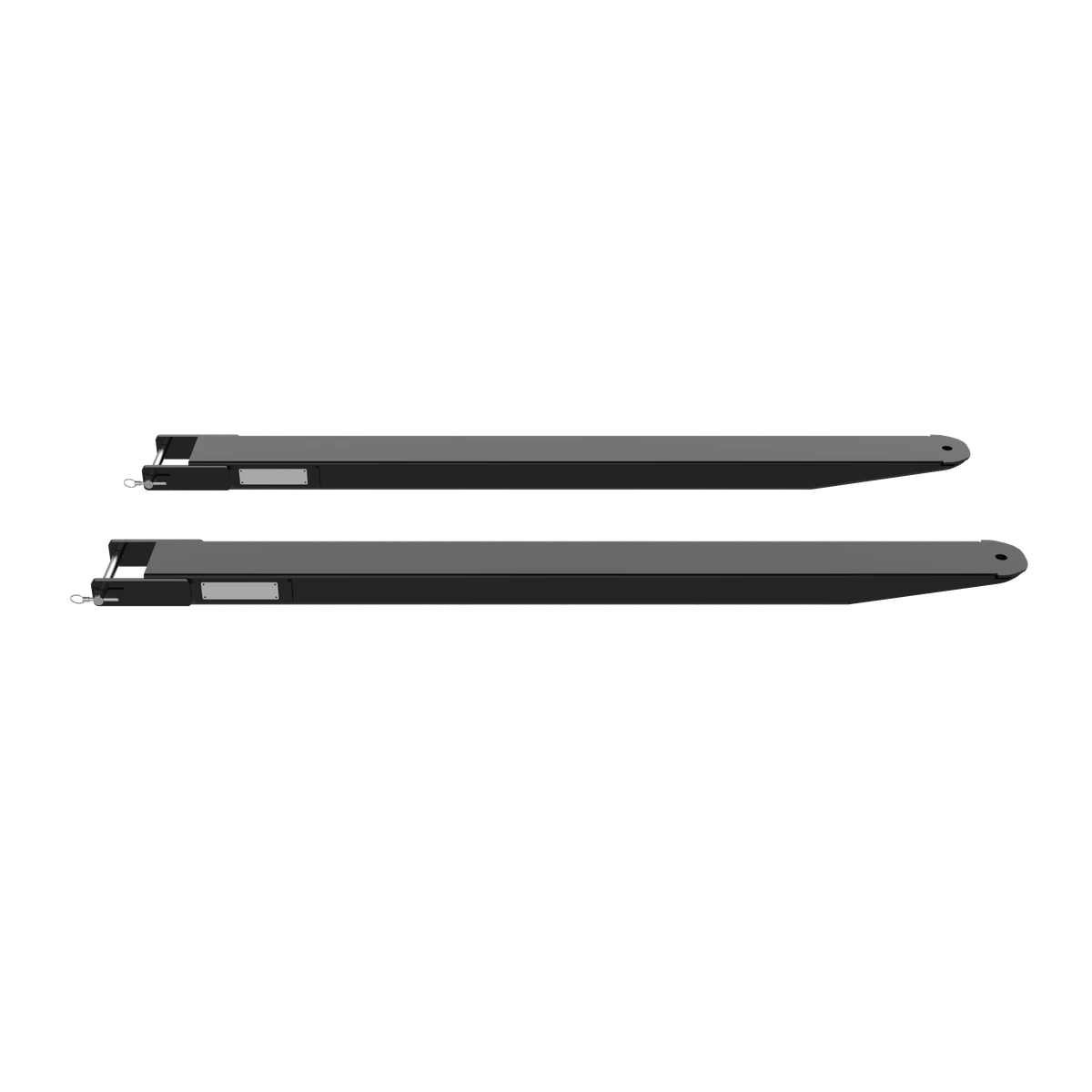
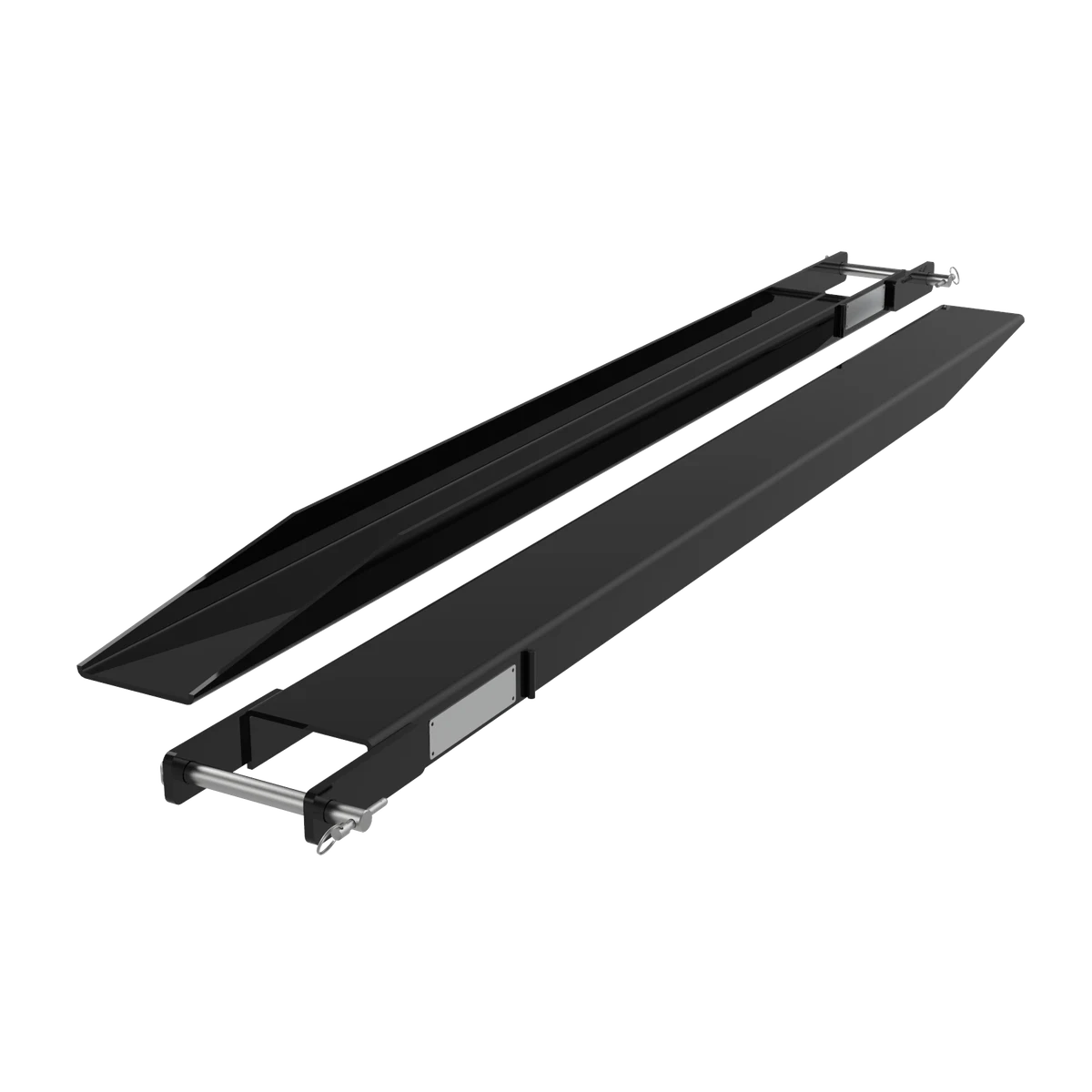
The Forklift Extension encloses the original fork on the bottom as well as the top and sides. This is the stiffer option: the sleeve is supported along its full length, so it resists twisting and is the better choice for heavy, dense loads and for rough yard surfaces. The range covers models from FE1-16 through FE2-18 and beyond, with capacities up to 4500 kg at a 600 mm load centre, and the family is rated to 8500 kg overall. Mounting classes include 100×45 mm and 140×55 mm fork sections, and the finish is galvanised or painted.
Open-bottom extensions
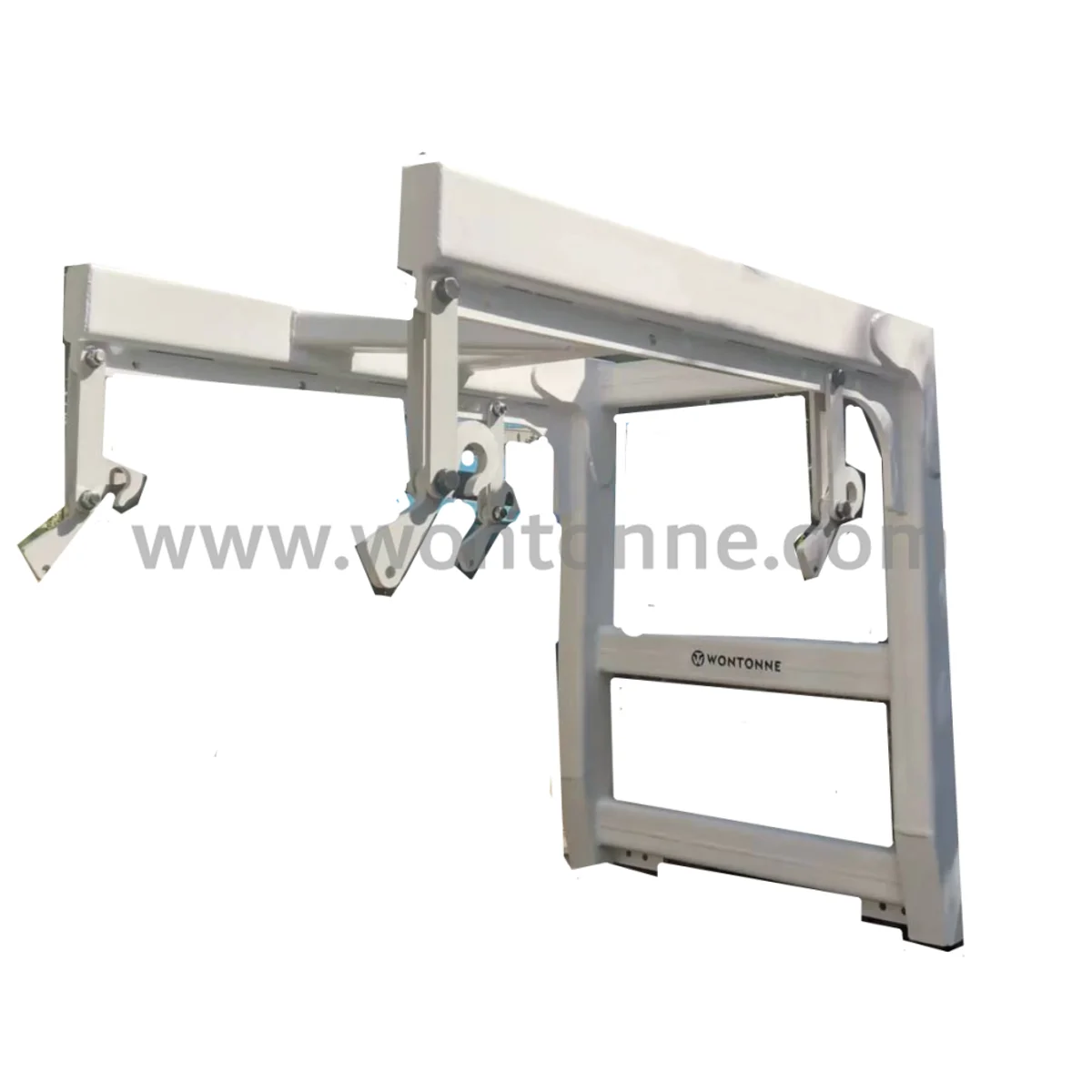
The Fork Extension (Open Bottom) leaves the underside of the original fork exposed. It is lighter, slides on faster, and is often specified where the load must sit directly on the original fork surface — for example when handling loads with a low ground clearance or when a closed sleeve would foul the pallet. It carries the same 4500 kg model ratings and the same 8500 kg family rating, and it is a common custom item because the open profile is easy to modify for a specific fork section.
How to size fork lift fork extensions
Sizing is where most costly mistakes happen. Work through these four checks in order.
- Fork width and thickness. The sleeve must fit over the blade, not rattle on it. Measure the actual fork section — a nominal "4 inch" or "5 inch" fork is not precise enough. WONTONNE extension models are grouped by fork section, such as 100×45 mm and 140×55 mm, which is why the model number alone does not tell you whether it will fit your truck.
- Extension length. The extension should be long enough that the load sits fully on the blade with a margin at the heel, but not so long that the truck becomes unstable or the tail swings into racking. Common requests include 6 ft, 8 ft, 10 ft and 96 inch fork extensions; the right answer depends on the load, not on the round number.
- Retention method. Loop-style entry and pin-style retention both exist in the market. A retention device is not optional — an unretained sleeve can slide forward under braking and drop the load.
- Load centre. This is the check that decides whether the job is safe at all.
The load centre rule
Forklift capacity is quoted at a stated load centre, typically 600 mm. Moving the load further out reduces the capacity the truck can actually handle. A rough working rule used across the industry is that the load centre should not exceed roughly 1.5 times the original rating distance when an extension is fitted — beyond that, the truck's data plate no longer describes the real situation and a proper capacity check is required. Treat this as a screening test, not a certification.
Comparing the main options
| Design | How it fits | Best for | Key limits |
|---|---|---|---|
| Closed-bottom slip-on extension | Full sleeve over the existing fork | Heavy, dense long loads; rough surfaces | Adds weight; needs matching fork section |
| Open-bottom slip-on extension | Sleeve with exposed fork underside | Long loads needing low clearance; custom profiles | Less torsional stiffness than closed sleeve |
| Telescopic forks | Complete hydraulic fork assembly | Double-deep racking; loading to the far side of a truck | Higher cost; hydraulic maintenance |
If your application is repetitive — double-deep racking, or placing pallets on the opposite side of a trailer — the hydraulic route is usually the better investment. WONTONNE Telescopic Forks extend from 1350 mm retracted to 2350 mm extended with a 1000 mm stroke, in a 2500 kg model on ISO 2A mounting and a 3500 kg model on ISO 3A mounting. Because the fork length is adjustable, one attachment covers several pallet sizes and removes the need to keep a set of slip-on sleeves on the rack.
Capacity, safety and the data plate
An extension never increases what the truck can lift. It changes the geometry, and the geometry works against you. Before putting any fork lift fork extensions into service:
- Recalculate capacity at the new load centre using the truck manufacturer's derating data, not the bare data plate figure.
- Check that the carriage, chains and mast can take the added moment, not just the fork.
- Confirm the retention device is engaged every time the sleeve is fitted.
- Inspect sleeves for bent tips, cracked welds and worn heels — a bent sleeve concentrates load on one point.
- Train operators to extend only as far as the load requires.
WONTONNE extensions are compatible with major forklift brands and are supplied with technical support and spare parts. Where the environment itself is the hazard — chemical, paint, solvent, oil and gas — standard steel forks are the wrong answer. Spark-Retardant Brass-Clad Forks use a brass-clad surface over a high-strength steel core to suppress spark generation on impact and friction while retaining load-bearing capacity, and Special Fork Solutions covers fully bespoke forks for hazardous, hygienic and one-off applications.
Alternatives worth considering before you buy
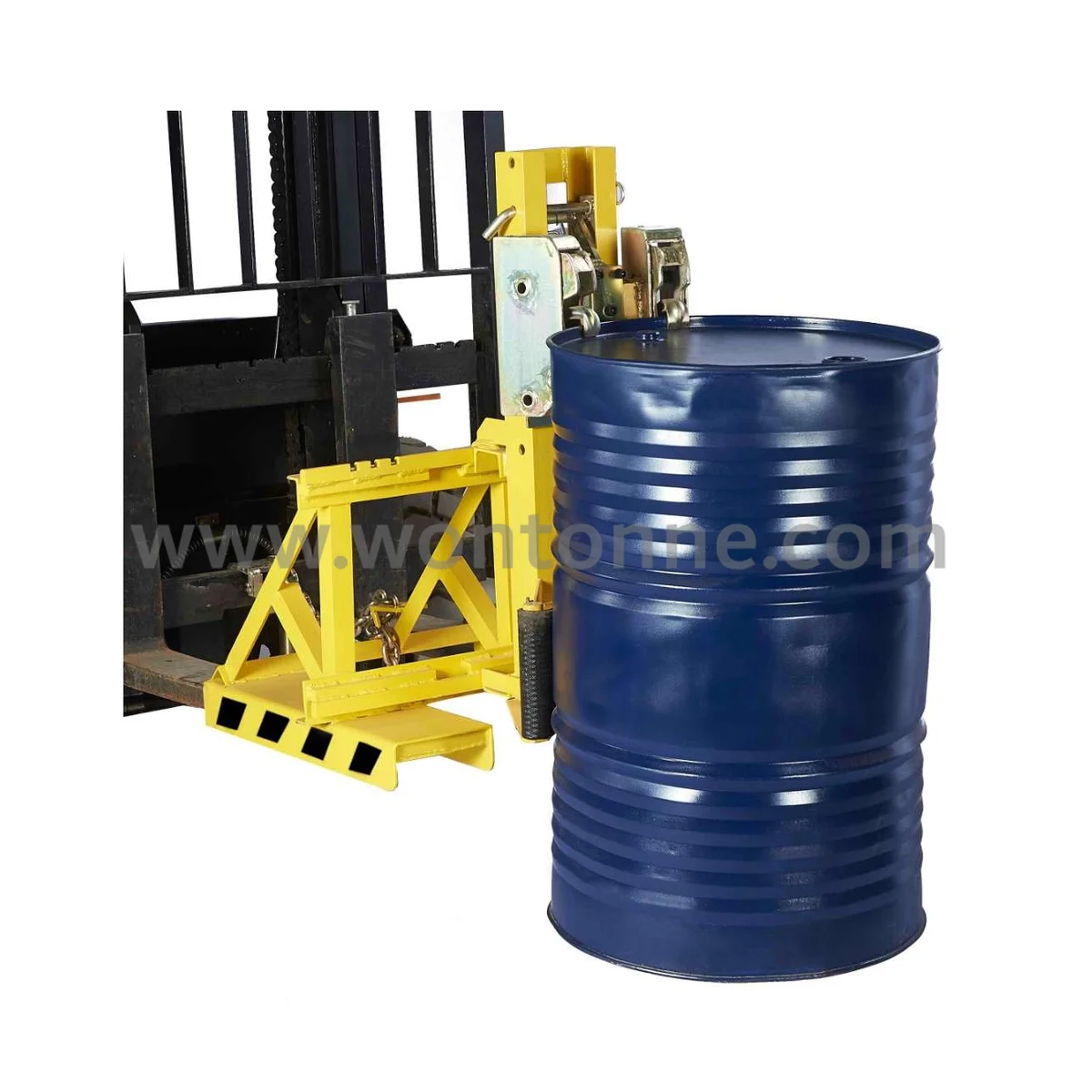
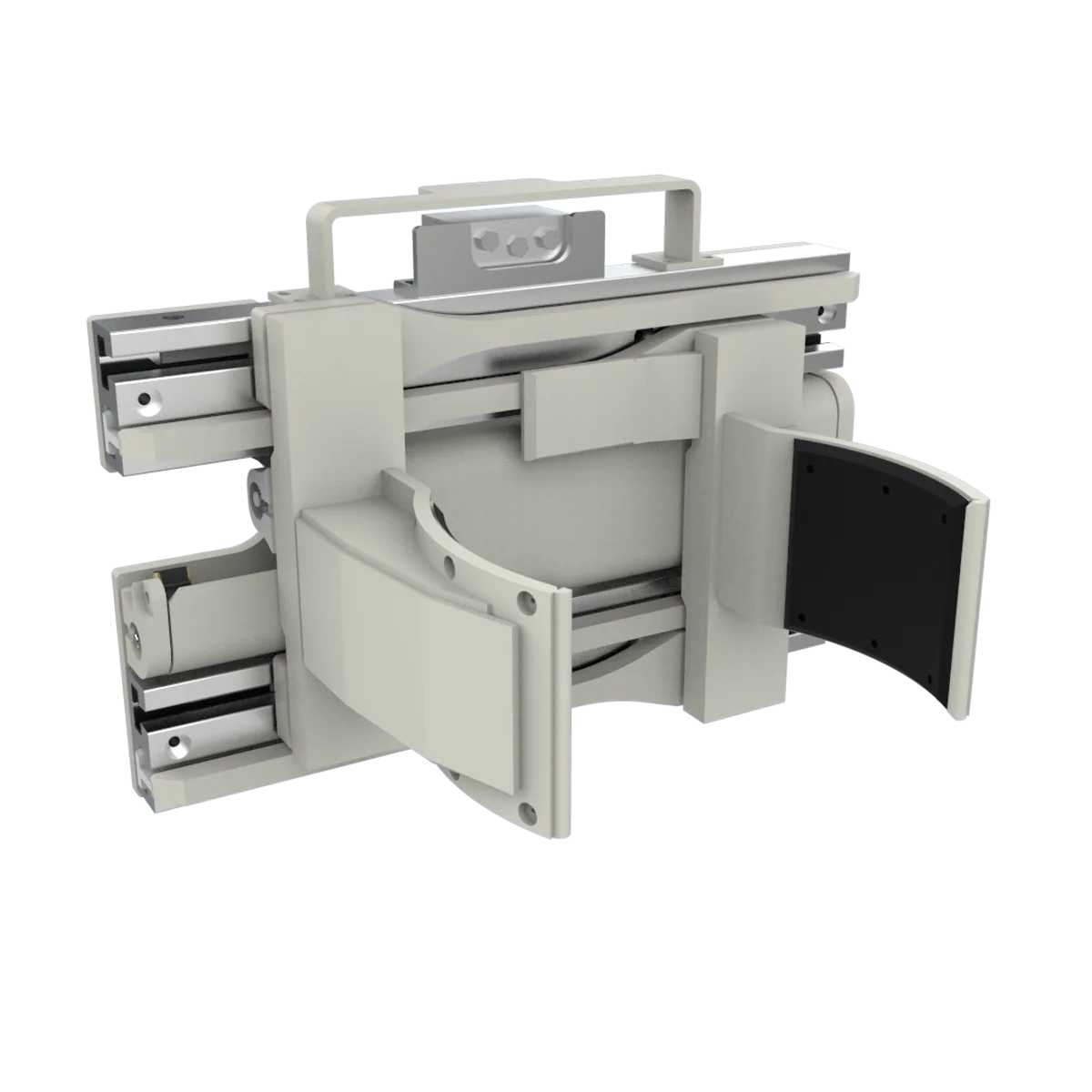
Extensions are not always the right purchase. If the real problem is pallet cost rather than load length, Roller Forks handle pallet-less and slip-sheet loads using an internal rolling mechanism, with capacities up to 2000 kg on ISO 2A and 3A mounting. If the problem is reaching a working height for maintenance or assembly, a Lifting Forks attachment raises loads through a 1250 mm stroke at 2500 kg on ISO 3A mounting — a different job entirely from extending reach. And if you need a fork that clamps, pushes, pulls and side-shifts as well as lifts, Forklift Forks (ISO 4A Mount) turn the truck into a multi-purpose handling tool for 5000–7000 kg capacity machines.
Buyers comparing fork extensions for sale from catalogue brands such as Uline or Vevor should check three things against their own truck: the exact fork section, the rated capacity at the load centre they will actually use, and whether the sleeve is retained. Catalogue listings rarely answer all three. You can review the full range on our forklift attachments page.
Frequently asked questions
Do fork lift fork extensions reduce my forklift's capacity?
Yes, in practice. The extension moves the load centre further from the carriage, which increases the bending moment and reduces the capacity the truck can safely handle. The extension itself also adds weight ahead of the carriage. Always derate the truck using the manufacturer's load chart for the new load centre rather than relying on the data plate figure.
What is the difference between 8ft and 96 inch fork extensions?
They are the same length — 96 inches is 8 feet. The two terms appear because some suppliers quote in feet and others in inches, and buyers search both ways. What matters is not the round number but whether the extension covers the load with adequate bearing and keeps the load centre within a range your truck can handle.
Can I make DIY fork extensions instead of buying them?
We do not recommend it. A fabricated sleeve has to match the fork section closely, be retained so it cannot slide forward, and be strong enough at the heel where the bending moment peaks. Without verified material grade, weld procedure and a rated capacity, there is no way to know what the sleeve will carry. A rated extension with a stated capacity at a stated load centre is the only defensible option for a workplace.
Next step
Send us your fork section, the load you need to handle and the truck model, and WONTONNE will confirm the right extension length, mounting class and rated capacity — or tell you honestly if a telescopic fork, roller fork or custom solution is the better fit. Contact WONTONNE with your specification and our engineering team will respond with a recommendation and export quotation.