
A spill pallet is a secondary containment platform that catches leaks, drips and overfill from drums and IBC totes before they reach the floor, the drain or the soil. Most buyers focus on sump capacity and material — polyethylene versus steel — and stop there. The part that decides whether the containment actually works is how the drum gets on and off the pallet. A spill pallet has a raised lip and a recessed sump; a forklift with bare forks cannot place a 200-litre drum inside that lip without dragging it, tipping it or punching through the deck. That is the job of a drum clamp, and it is the piece most secondary containment projects underestimate.
What a Spill Pallet Does — and What It Cannot Do
Secondary containment regulations in most export markets assume a simple principle: the primary container will eventually fail, and the failure must be captured. A spill containment pallet provides that capture volume in a footprint small enough to sit inside a warehouse aisle. Typical designs fall into three groups:
- Drum spill pallets — sized for one, two or four 200-litre drums, often with removable grates so the sump can be pumped out.
- IBC spill pallets — larger decks built around the footprint of an intermediate bulk container, with a sump matched to the tote volume.
- Low-profile drip trays — shallow units used under pumps, valves and dispensing points rather than for full drum storage.
What none of them do is move the drum. Containment is passive. The moment a forklift operator tries to slide a drum across the lip of a loaded pallet, or drops one from height onto the deck, the containment unit becomes the hazard: cracked polyethylene, a deformed grate, a drum on its side. The safety of the storage area is therefore a function of both the pallet and the attachment used to service it.
Why Bare Forks and Spill Pallets Are a Bad Match
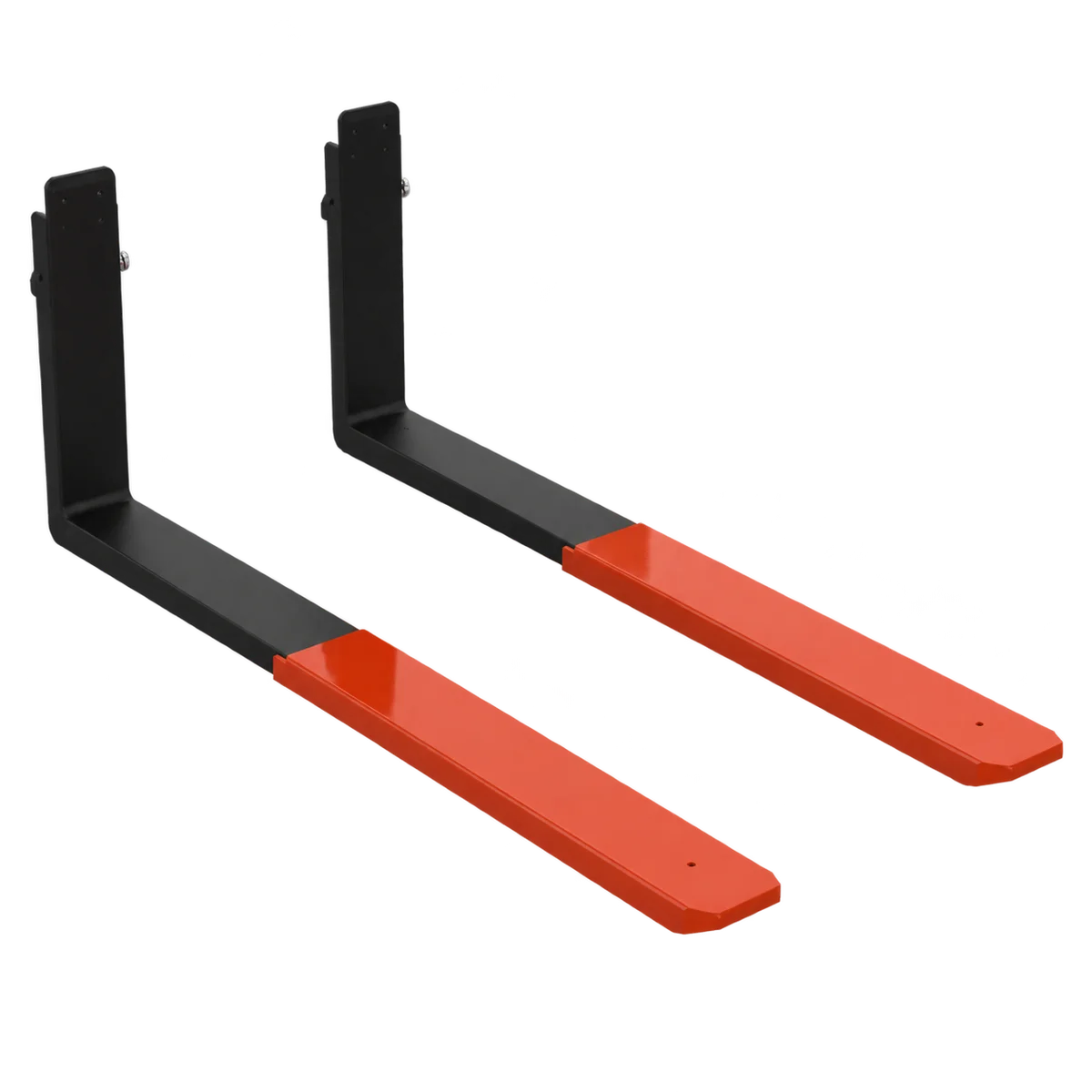
Drums are not palletised freight. They have no fork pockets, no base board and no flat bearing surface. Three common workarounds all carry cost:
- Drum trolleys and manual handling. Slow, and the leading cause of back and foot injuries in drum storage areas.
- Fork pockets or skids under each drum. Adds an extra item to track, and the skid still has to be lifted over the containment lip.
- Lifting by the top rim with a hook or sling. Puts the load above the centre of gravity and risks rim deformation on thin-walled drums.
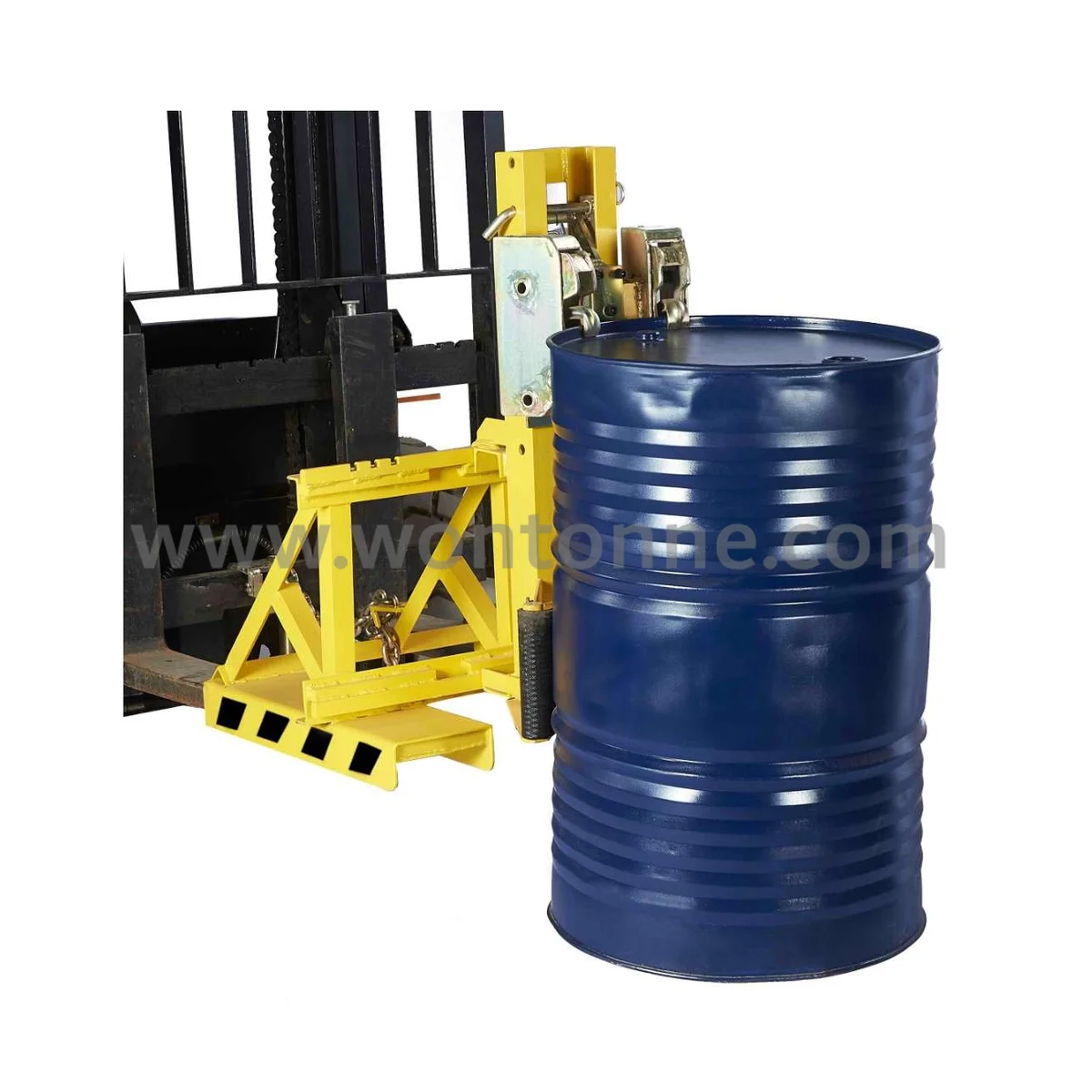
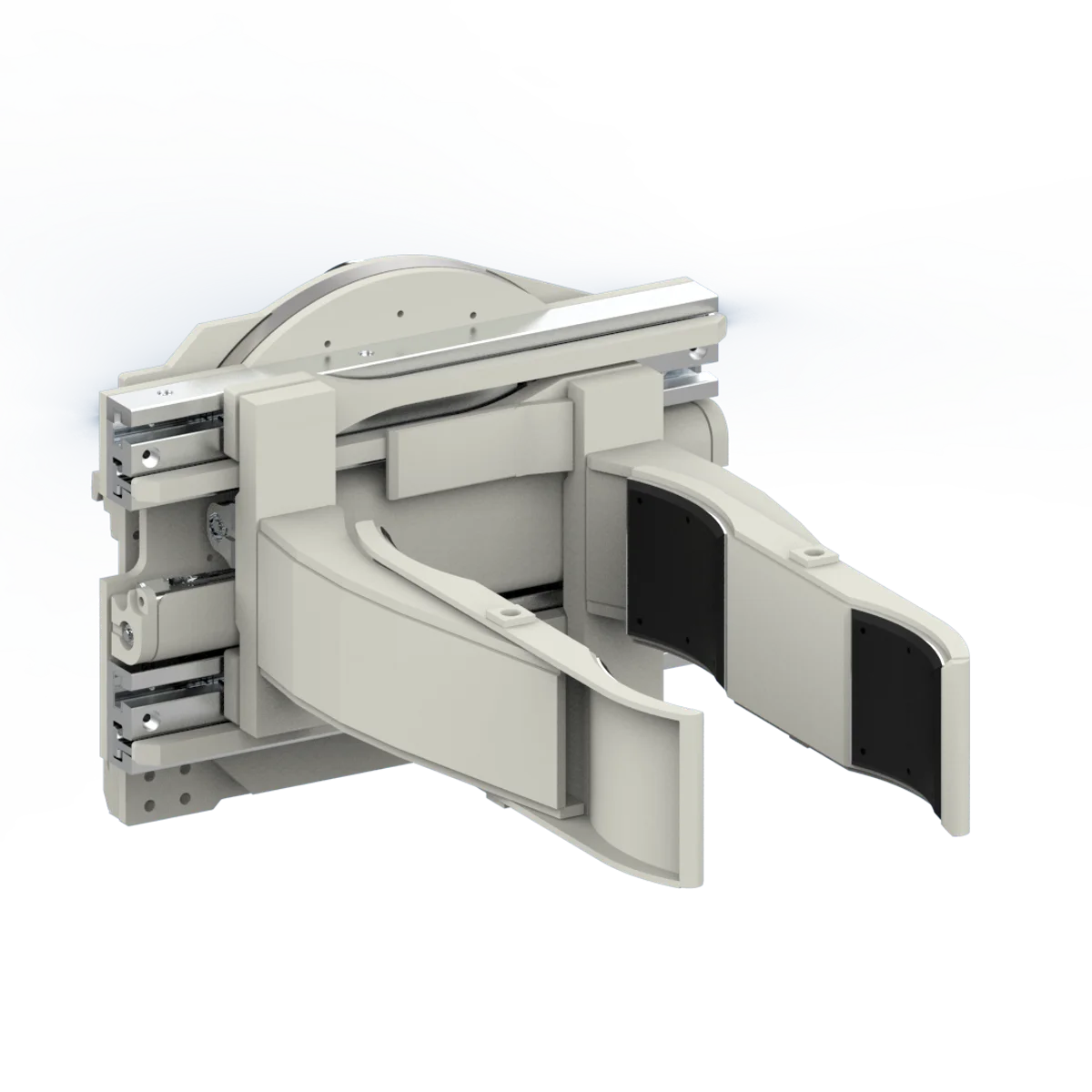
A drum clamp solves this by gripping the drum body itself. Rubber-vulcanised clamp arms contact the drum wall, the load stays vertical, and the drum can be lowered straight down into the sump recess without being dragged across the lip. Because no pallet or skid is involved, the drum also occupies less height in the rack — useful when a spill pallet sits under a mezzanine or inside a bunded cabinet.
Choosing Between 2-Drum and 4-Drum Clamps
The decision usually comes down to throughput and aisle width. A two-drum clamp suits narrow aisles and mixed loads, where drums of different products are moved one pair at a time. A four-drum clamp suits high-volume logistics — a full spill pallet deck moved in a single trip, or a row of drums restocked in one pass.
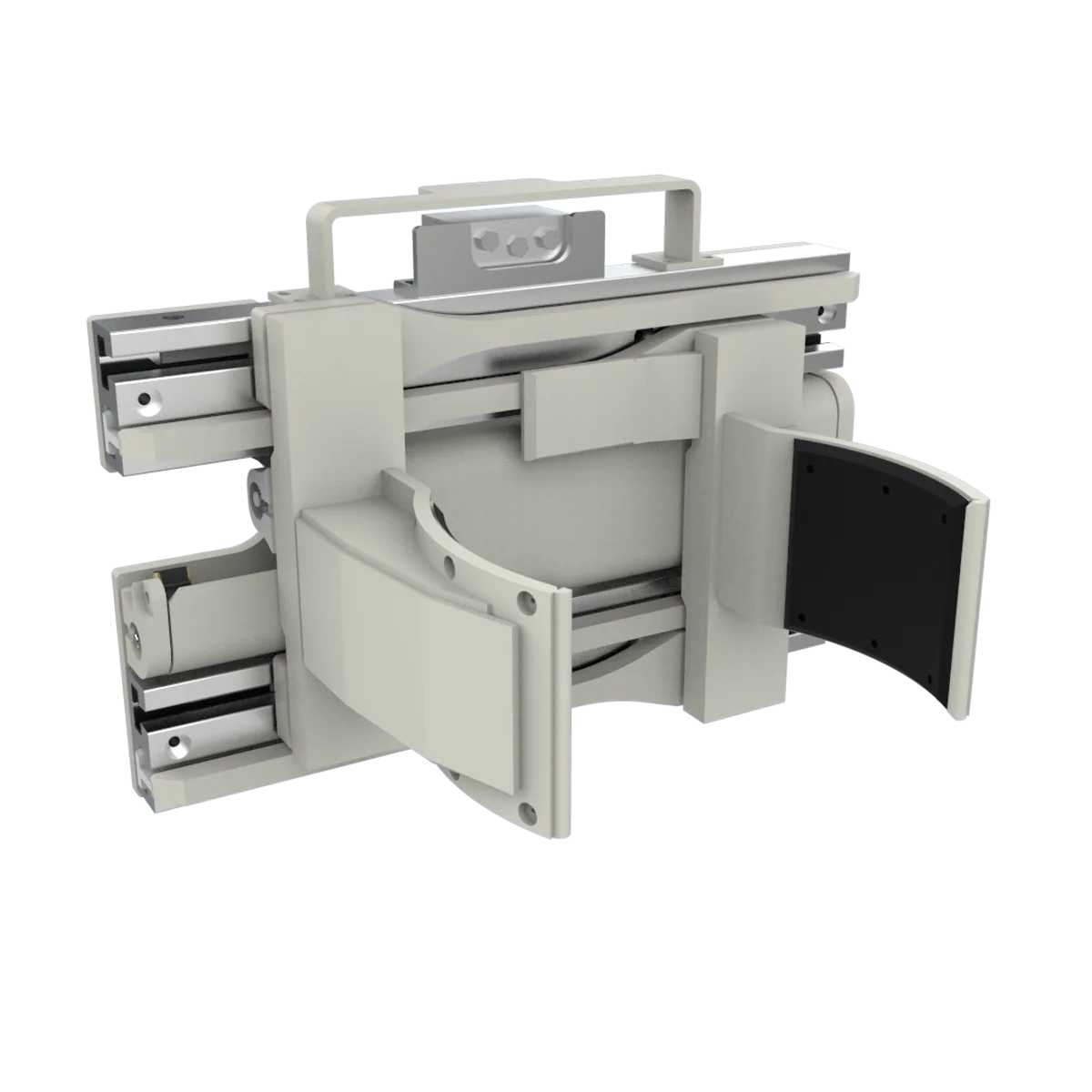
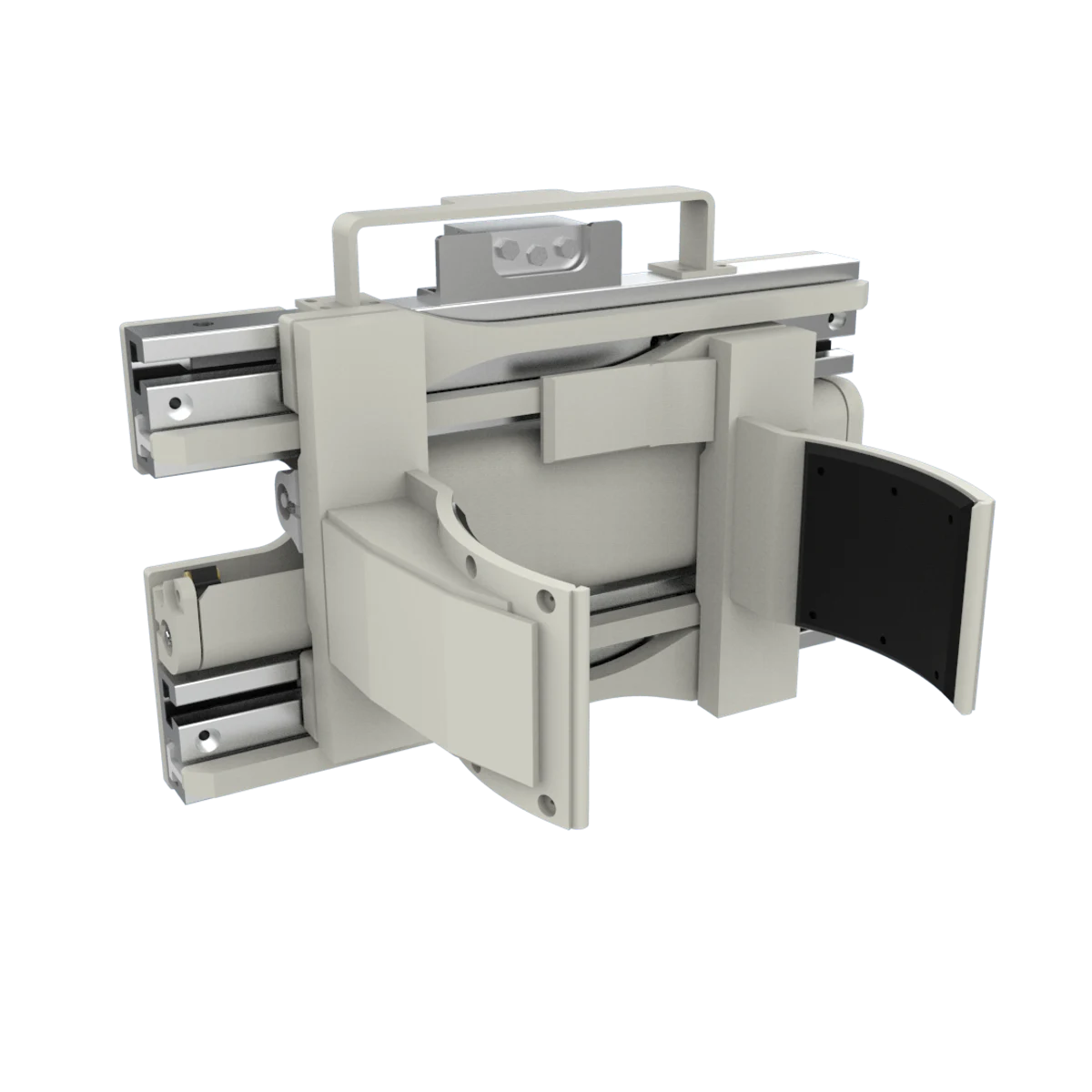
WONTONNE builds both configurations with side shifting and revolving functions. Side shifting lets the operator align the clamp arms precisely over the containment recess without repositioning the truck, which matters when the pallet sits close to a wall or racking upright. The revolving function rotates the clamp head so drums can be stacked vertically or upended for dispensing — again, without a pallet underneath.
Model comparison
| Model group | Drums per cycle | Capacity | Load centre | Mounting class | Typical use |
|---|---|---|---|---|---|
| 2 Drum Clamp (Side Shifting / Revolving) | 2 | 1900 kg | 300 mm | ISO2A | Narrow aisles, mixed product |
| 2 Drum Clamp Heightening Type | 2 | 1900 kg | 300 mm | ISO2A | Tall drums, high stacking |
| 4 Drum Clamp (Side Shifting / Revolving) | 4 | 1600 kg | 600 mm | ISO2A | High-volume drum logistics |
| 4 Drum Clamp Heightening Type | 4 | 1600 kg | 600 mm | ISO2A | Tall drums, full-deck moves |
Note the load centre column. The four-drum units are rated at 600 mm rather than 300 mm, which reflects the wider spread of the load. Capacity figures are attachment ratings — the truck's residual capacity after the attachment is fitted must still be checked against the actual drum weight and the height at which it will be handled.
When the heightening type is worth it
Standard clamp arms grip the mid-body of a drum. Tall or narrow drums, and drums that must be stacked three or four high inside a containment area, need contact higher up the wall. The heightening versions raise the arm position while keeping the same side shifting and revolving functions and the same 1900 kg and 1600 kg ratings. If your spill pallet sits under racking and drums are double-stacked on top of it, this is usually the correct specification.
Specification Points Buyers Get Wrong
As a spill pallet manufacturer, we see the same four mistakes in enquiries from chemical, oil and food plants:
- Ignoring residual capacity. A 1900 kg clamp on a 2.5-tonne truck does not give you 1900 kg of usable lift. Attachment weight, load centre and lift height all reduce what the truck can safely handle.
- Matching the clamp to the truck, not the drum. Clamp roll range must cover the drum diameter range you actually store. A clamp that only just closes on your smallest drum will struggle on the largest.
- Forgetting the containment lip height. The clamp must be able to place the drum fully inside the sump recess, not on the grate edge.
- Overlooking drum condition. Rubber-vulcanised arms protect the drum wall, but a corroded or dented drum is not a safe lifting point regardless of the attachment.
Pairing Containment with the Right Attachment
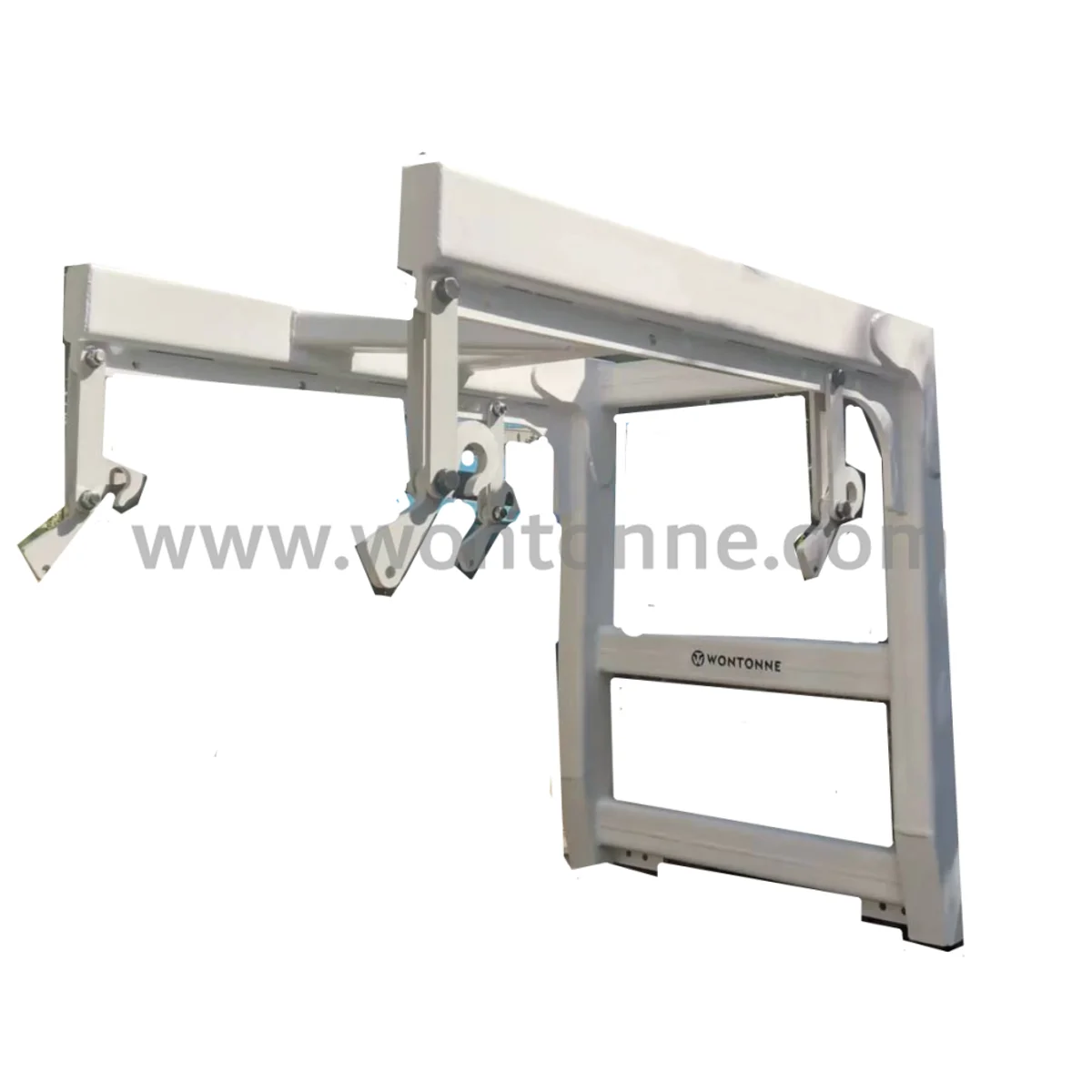
For a two-drum spill pallet in a chemical store, the 2 Drum Clamp (Side Shifting / Revolving) covers most layouts. Where drums are stored and stacked inside tall bunded areas, the 2 Drum Clamp Heightening Type gives the extra arm height. For distribution centres moving full pallet loads of drums, the 4 Drum Clamp (Side Shifting / Revolving) and the 4 Drum Clamp Heightening Type handle four drums per cycle. All four groups mount on ISO2A carriages and are compatible with major forklift brands. The full range is listed under all forklift attachments.
Frequently Asked Questions
Can a drum clamp place a drum inside a spill pallet sump?
Yes. Because the clamp grips the drum body and holds it vertically, the drum can be lowered straight down into the containment recess without being dragged across the lip or the grate. This is the main reason drum clamps are preferred over fork-mounted drum handlers in containment areas.
How many drums can one forklift attachment move at a time?
WONTONNE drum clamps are built in two-drum and four-drum configurations. Two-drum models are rated up to 1900 kg at a 300 mm load centre; four-drum models are rated up to 1600 kg at a 600 mm load centre. The correct choice depends on aisle width, drum weight and how often the containment area is restocked.
Do I need the heightening type for standard 200-litre drums?
Not always. Standard arms suit typical 200-litre drums handled at normal heights. The heightening type is specified when drums are taller than standard, when they must be stacked several high, or when the containment area is under racking and the arms need to reach higher up the drum wall for a stable grip.
Talk to WONTONNE About Your Drum Handling Layout
With more than 20 years of manufacturing and export experience, WONTONNE builds drum clamps and material handling attachments for chemical, petrochemical, oil and food operations worldwide. If you are specifying a spill pallet system and need to know which clamp, capacity and mounting class fits your truck and your drum range, send us your drum dimensions, truck model and containment layout. Our team will confirm the correct model and provide technical support and spare parts after delivery. Contact WONTONNE to start the specification.